Loading...

Why Permeable Pavers Are Mandatory for Decks in NYC 2025 | urbanoutdoorsnyc.com | Urban Outdoors - Small-Space Gardens, Rooftop Decks, Balconies, Decks, Backyard Design
Skip to main content
Urban Outdoors
Search
Home
  1. Home
  2. /
  3. Deck Construction & Remodeling
  4. /
  5. Why Permeable Pavers Are Now Mandatory for Decks
Deck Construction & Remodeling

Why Permeable Pavers Are Now Mandatory for Decks

bySheila Spaulding
2025-12-21 03:59:57December 21, 2025
6 min read
Featured image for Why Permeable Pavers Are Now Mandatory for Decks

Categories

Navigation

  • Home
  • All Articles
  • About Us
  • Privacy Policy
  • Terms of Service

© 2026 Urban Outdoors. Crafted for bold city dwellers.

2025-12-21 03:59:57
Urban Outdoors - Small-Space Gardens, Rooftop Decks, Balconies, Decks, Backyard Design

Introduction

A well-designed deck enhances outdoor living, yet recent New York City regulations introduce a key requirement for new constructions. Permeable pavers now serve as the standard for decks, patios, and similar surfaces. This shift prioritizes water management, safety, and environmental responsibility over aesthetics alone.

The following sections detail the regulation's implications, its rationale, and practical strategies for compliance. Homeowners can achieve these standards without excessive costs or delays by selecting appropriate materials and following structured installation processes.

Understanding Permeable Pavers

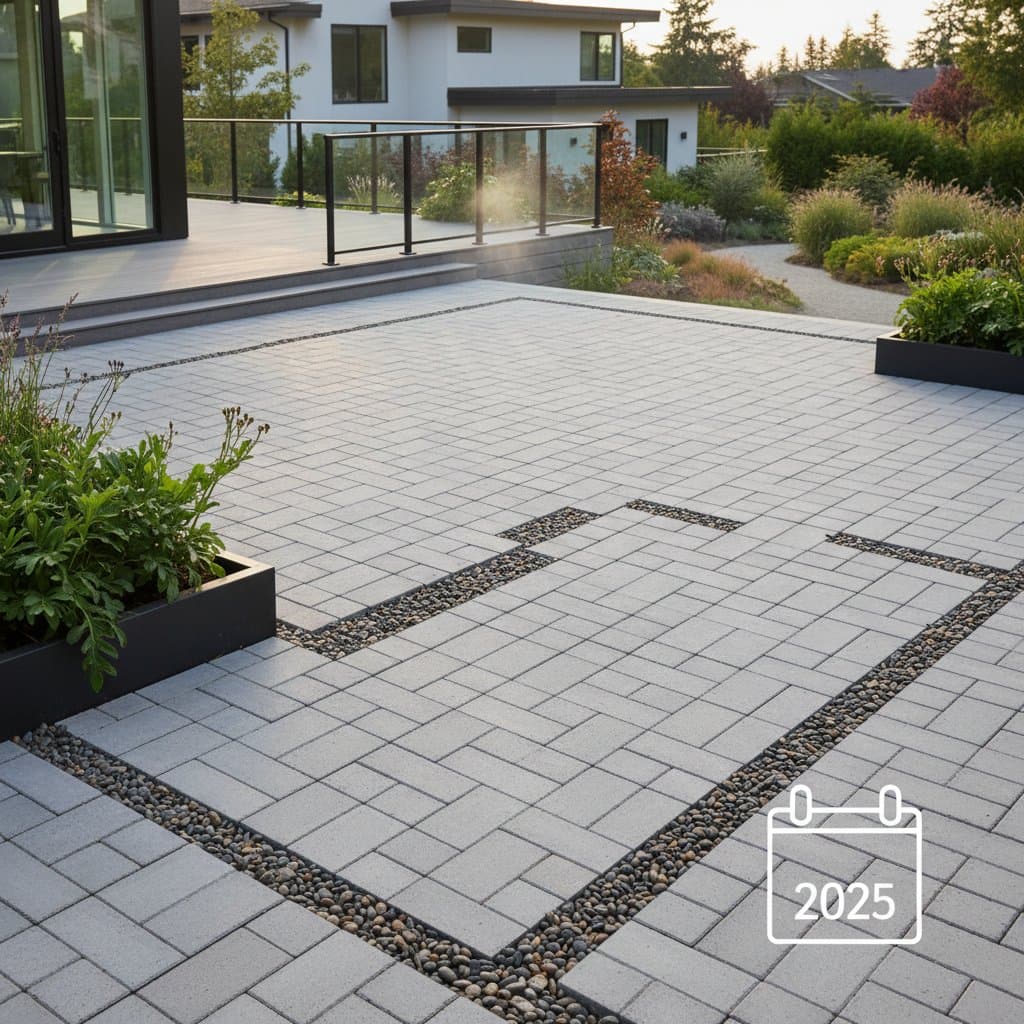
Permeable pavers consist of modular blocks engineered with voids or joints that permit water passage. Unlike impermeable concrete slabs or solid stone, which cause surface pooling and direct runoff to sewers, these pavers enable rainwater to infiltrate the subsoil. This natural filtration process replenishes groundwater and minimizes urban stormwater burdens.

New York City's 2025 building code stipulates permeable materials for any outdoor hardscape exceeding 100 square feet, encompassing ground-level decks, elevated platforms, and rooftop installations. In high-density areas, this measure preserves limited permeable land, curbing collective runoff from residential zones.

Reasons for the Regulatory Shift

Urban planners address escalating flood risks from impervious surfaces covering natural soil. Rainwater on sealed decks flows laterally, carrying contaminants such as automotive fluids, road salts, and yard debris into municipal drains. During intense storms, this overwhelms infrastructure, leading to localized flooding and waterway pollution.

Permeable pavers counteract these issues effectively. They facilitate infiltration of up to 80 percent of precipitation into underlying soil layers. Additionally, they trap sediments and pollutants on-site, preventing their transport to natural water bodies. In colder months, reduced surface water accumulation lessens ice formation, enhancing walkway safety.

This policy aligns with broader sustainability goals, allowing property owners to satisfy stormwater mandates without auxiliary infrastructure like French drains or retention basins.

Essential Materials and Tools

Prepare the following for a successful deck project using permeable pavers:

  • Permeable pavers certified for pedestrian and light vehicular loads, typically requiring 10 to 12 units per square foot based on pattern.
  • Coarse gravel base, such as 3/4-inch clean crushed stone, layered to a minimum depth of 4 inches.
  • Washed angular sand or fine aggregate for joint stabilization and leveling.
  • Non-woven geotextile fabric to prevent soil migration into the base.
  • Durable edge restraints, including plastic strips, metal angles, or precast concrete curbs, to secure perimeter stability.
  • Installation tools: rubber mallet for setting pavers, spirit level for alignment, and vibrating plate compactor for densification.

Protective gear includes heavy-duty gloves, safety eyewear, and dust masks during material handling and cutting operations.

Installation Process

Follow these sequential steps to construct a compliant permeable deck surface.

  1. Survey and outline the project area, ensuring the footprint stays within permit thresholds where feasible.
  2. Excavate to an average depth of 7 inches, accounting for base, bedding, and paver thickness; remove organic topsoil completely.
  3. Install geotextile fabric across the entire subgrade, overlapping seams by 12 inches and securing with landscape staples.
  4. Place the gravel base in 2-inch lifts, wetting and compacting each layer to achieve 95 percent density.
  5. Distribute 1-inch bedding sand evenly, screeding it level with guide boards or pipes.
  6. Lay pavers in the chosen pattern, maintaining 1/8-inch to 1/4-inch joints for optimal drainage; tap into place with the mallet.
  7. Sweep fine sand or polymeric jointing material into gaps, ensuring full penetration without overfilling.
  8. Perform final compaction with the plate compactor, running multiple passes until pavers lock securely.

For hybrid designs integrating wood or composite elements, incorporate a 1/2-inch expansion joint filled with permeable material to manage differential drainage.

Key Safety Considerations

Prioritize hazard avoidance throughout the project. Locate and mark underground utilities via the local 811 service before any excavation begins. Maintain excavation walls at a 1:1 slope ratio to minimize cave-in risks, and shore deeper trenches as needed.

Select pavers with textured, slip-resistant surfaces for areas exposed to frequent moisture. Operate power tools with appropriate guards, and use hearing protection during compaction or cutting tasks. Keep the worksite clear of loose materials to prevent trips.

Common Issues and Solutions

Post-installation water ponding signals inadequate base permeability. Remove several pavers to inspect the sub-base; clear any silt or clay intrusion and replenish with fresh gravel if necessary. Reseat and recompact the affected section.

Surface settlement often results from insufficient initial compaction. Identify low areas by visual inspection or water flow tests, then excavate, add base material, and reinstall pavers level.

Joint weed growth indicates organic matter accumulation. Annually refresh joints with polymeric sand to inhibit vegetation while preserving infiltration capacity. Avoid pressure washing at high volumes, which can displace stabilizing materials.

Cost and Timeline Estimates

Material and labor costs range from 8 to 12 dollars per square foot, varying with paver quality and site preparation needs. Salvage and reuse existing site gravel to lower expenses by up to 20 percent. A 200-square-foot deck typically requires two days of effort for a two-person team, including site prep and finishing.

Engaging a certified contractor increases the total by 25 to 40 percent but ensures code adherence through professional surveying and performance verification. This investment proves essential for complex sites, such as those with slopes exceeding 5 percent or elevated structures.

Ongoing Maintenance Practices

Preserve functionality with routine care. Hose down the surface annually to dislodge surface dirt, directing water toward vegetated areas. Sweep or leaf-blow joints biannually to remove leaves and debris that could clog voids.

Every three to five years, extract and replace the upper joint layer to counteract compaction from foot traffic. Refrain from applying sealers, as they impermeabilize the system. For organic buildup like moss, apply a mild vinegar-water mix and rinse thoroughly.

Professional Assistance Indicators

Seek expert involvement under these conditions:

  • Predominant clay soils with infiltration rates below 0.5 inches per hour.
  • Proximity to foundations, where altered drainage could affect structural integrity.
  • Requirements for engineered stormwater calculations per local permits.

Request a detailed site plan incorporating cross-sections, slope gradients, and projected percolation rates. Professionals conduct soil tests and hydraulic modeling to confirm compliance and long-term efficacy.

Resourceful Storage Strategies

Store surplus pavers on elevated, covered pallets to shield from moisture and UV degradation. Seal excess sand and gravel in weatherproof containers, labeling contents and purchase dates for easy reference. Maintaining a 10 percent material reserve facilitates seamless repairs and color matching.

Advancing Your Deck Compliance

Implementing permeable pavers positions your property for regulatory alignment and environmental stewardship. This upgrade not only averts fines but also elevates outdoor usability through safer, more resilient surfaces. Consult local resources to initiate your project confidently, ensuring lasting value in urban living.

You Might Also Like

Solar Drip Systems Keep Deck Gardens Watered Automatically

Solar Pavers Convert Steps and Sunlight Into Power

Glass Deck Floors That Skylight the Space Below

Mycelium Boards Replace Wood in Sustainable Decking

Cut Deck Noise with Acoustic Privacy Screens

Tagged:

Regulations,sustainable,deck,sustainable decking,decking,2025,permeable,pavers,permeable-pavers,deck-regulations-2025

Recent by Sheila Spaulding

Image for Solar Pavers Convert Steps and Sunlight Into Power

Solar Pavers Convert Steps and Sunlight Into Power

Feb 2, 2026
Image for Grow 30 Plants in 2 Feet Using Nutrient Mist

Grow 30 Plants in 2 Feet Using Nutrient Mist

Feb 1, 2026
Image for Mycelium Boards Replace Wood in Sustainable Decking

Mycelium Boards Replace Wood in Sustainable Decking

Feb 1, 2026
Image for Solar Pergolas Turn Small Patios Into Power Sources

Solar Pergolas Turn Small Patios Into Power Sources

Feb 1, 2026
Image for Stop Balcony Noise With Layers That Block and Absorb Sound

Stop Balcony Noise With Layers That Block and Absorb Sound

Jan 31, 2026

Regulations

Image for Why Cities Now Require Permeable Pavers for Decks

Why Cities Now Require Permeable Pavers for Decks

Oct 31, 2025

Deck Construction & Remodeling

Solar Drip Systems Keep Deck Gardens Watered Automatically

Elevate your deck gardening with solar-powered drip irrigation for precise, hands-free watering. This guide covers final setup steps, safety measures, common fixes, cost breakdowns, and year-round care to foster healthy plants with minimal intervention.

Feb 2, 2026

Solar Pavers Convert Steps and Sunlight Into Power

Elevate your outdoor paths with solar pavers that generate electricity from sunlight and movement. This comprehensive resource outlines functionality, step-by-step setup, budgeting, troubleshooting, and ways to apply the power for lighting or devices—all while promoting green living.

Feb 2, 2026

Glass Deck Floors That Skylight the Space Below

Elevate your deck design with glass floor panels that function as skylights, flooding lower areas with natural light while delivering a sleek, contemporary look. This resource provides in-depth coverage of benefits, essential materials, step-by-step installation, safety protocols, maintenance routines, and guidance on when to hire experts—all to optimize your outdoor environment for light, style, and longevity.

Categories

Deck Construction & Remodeling(158)
Balcony Design(146)
Small-Space Gardens(63)
Rooftop Decks(50)
Backyard Design(18)
Feb 2, 2026

Mycelium Boards Replace Wood in Sustainable Decking

Mycelium decking redefines sustainable outdoor design with boards cultivated from fungal roots and agricultural waste. These lightweight, compostable planks match wood's strength while minimizing environmental impact. This guide covers planning, installation, and care for a resilient, green yard addition.

Feb 1, 2026

Cut Deck Noise with Acoustic Privacy Screens

Turn urban deck noise into peaceful quiet with acoustic privacy screens. Explore sound-blocking options, step-by-step installation, upkeep advice, and cost-effective choices for a more enjoyable outdoor space throughout the year.

Feb 1, 2026

Deck Benches That Turn Scraps Into Garden Soil

Convert your deck into an eco-friendly oasis with a composting bench that serves as both comfortable seating and efficient soil producer. This comprehensive guide details construction steps, material needs, troubleshooting, and seasonal care to minimize waste and maximize garden yields.

Jan 31, 2026

Permeable Pavers Stop Flooding and Raise Property Value

Permeable pavers convert waterlogged areas into resilient, environmentally friendly surfaces. Water infiltrates through paver joints and stone bases, minimizing runoff, safeguarding structures, and elevating aesthetic appeal. This comprehensive guide details installation processes, upkeep routines, and financial considerations to demonstrate how these pavers promote sustainability, property enhancement, and enduring outdoor usability.

Jan 29, 2026

Turn Your Deck into a Clean Energy Generator

Elevate your deck into a sustainable solar energy source with integrated pavers that merge aesthetics and efficiency. This guide covers sunlight evaluation, circuit planning, durable tile installation, performance upkeep, expense details, safety protocols, and professional consultation needs to create a self-powered outdoor retreat.

Jan 29, 2026

Solar Pavers Turn Sunlight Into Outdoor Power

Elevate your outdoor areas with solar pavers, robust tiles that capture sunlight to generate power for lighting, charging stations, and appliances. This guide covers their functionality, required materials, and detailed installation instructions to build an efficient, wire-free environment that blends practicality with aesthetic appeal.

Jan 28, 2026

Mycelium Decks Replace Wood With Living Fungi Material

Mycelium, the intricate root system of fungi, emerges as a groundbreaking material for decking. This renewable and biodegradable option provides the durability of wood with a fraction of the environmental impact. Readers will gain insights into installation, maintenance, and benefits to create an outdoor haven that aligns with sustainable living principles.

Jan 27, 2026

Deck Pods Turn Open Decks into Year-Round Rooms

Convert your deck into a protected, inviting extension of your home using modular deck pods. This comprehensive guide covers planning, assembly, and upkeep for these adaptable structures, including required tools, safety protocols, and enhancements to achieve a durable, stylish outdoor space that provides year-round utility.

Jan 26, 2026

Solar Shade Sails Generate Power While Cooling Your Deck

Elevate your deck with solar shade sails that offer respite from the sun while harnessing solar power for everyday use. These versatile structures blend comfort with eco-friendly energy generation. Explore practical steps for installation, upkeep, and optimization to create an inviting, self-sustaining outdoor haven.

Jan 26, 2026

Cool Your Deck 15° with Solar Shade Sails

Counter summer deck heat with solar shade sails capable of reducing temperatures by up to 15 degrees. These tensioned fabric panels effectively block UV rays, improve airflow, and install in just one day. Gain insights into required tools, essential safety measures, and maintenance strategies for extended outdoor enjoyment.

Jan 25, 2026

Why Permeable Decks Stay 20 Degrees Cooler

Permeable decks address intense summer heat by facilitating airflow and water passage, which dissipates trapped warmth and maintains surfaces up to 20 degrees cooler. Incorporating light-colored materials, strategic gaps, and evaporative cooling, these decks foster inviting, sustainable outdoor areas that require low maintenance and provide enduring relief from hot surfaces.

Jan 25, 2026

Solar Pergolas Cut City Heat While Powering Your Deck

Elevate your compact urban deck with a solar pergola that delivers shade, produces renewable energy, and enhances sustainability. This comprehensive guide includes planning strategies, material choices, step-by-step installation, safety protocols, and upkeep tips to achieve a cooler, cost-effective outdoor area while increasing home value on a practical budget.

Jan 24, 2026

Fungal Fibers That Replace Wood Decks and Compost Clean

Mycelium decks redefine urban outdoor spaces through sustainable, compostable panels derived from fungal networks. These lightweight, durable alternatives to wood or plastic utilize agricultural waste. Follow this guide to cultivate, process, install, and maintain them for environmentally conscious urban design.

Jan 24, 2026

Misting Systems Drop Deck Temps 20° Fast

Misting systems transform hot decks into inviting spaces by reducing temperatures up to 20 degrees. This guide details planning, installation, maintenance, and optimization strategies for safe, effective cooling throughout the season.

Jan 22, 2026

UV Shade Sails Drop Deck Temps 20 Degrees

Combat summer heat and safeguard your deck using UV shade sails. This comprehensive guide details selection, installation, and upkeep strategies that reduce surface temperatures, avert color fading, and prolong deck longevity. Explore required tools, safety measures, common issues, and professional insights to create a fashionable, protected outdoor haven.

Jan 22, 2026

Shade Sails That Follow the Sun All Day Long

Automatic sun-tracking shade sails adjust their position to follow the sun, providing consistent shade and comfort on decks and patios. This comprehensive guide explains the technology, step-by-step installation, essential safety measures, ongoing maintenance, associated costs, and strategies to maximize durability and efficiency in your outdoor environment.

Jan 21, 2026

AI Cameras That Water Plants and Deter Deck Pests

Elevate your urban deck into an automated oasis with AI cameras that identify pests, optimize irrigation, and reduce upkeep. These intelligent systems leverage computer vision to safeguard plants, promote efficient water use, and deliver seamless outdoor enjoyment via straightforward installation and reliable performance.

Jan 21, 2026