Loading...

Permeable Pavers Eliminate Deck Puddles | urbanoutdoorsnyc.com | Urban Outdoors - Small-Space Gardens, Rooftop Decks, Balconies, Decks, Backyard Design
Skip to main content
Urban Outdoors
Search
Home
  1. Home
  2. /
  3. Deck Construction & Remodeling
  4. /
  5. Why Permeable Pavers Stop Deck Puddles for Good
Deck Construction & Remodeling

Why Permeable Pavers Stop Deck Puddles for Good

bySheila Spaulding
2025-11-13 03:59:55November 13, 2025
7 min read
Featured image for Why Permeable Pavers Stop Deck Puddles for Good

Categories

Navigation

  • Home
  • All Articles
  • About Us
  • Privacy Policy
  • Terms of Service

© 2026 Urban Outdoors. Crafted for bold city dwellers.

2025-11-14 03:28:01
Urban Outdoors - Small-Space Gardens, Rooftop Decks, Balconies, Decks, Backyard Design

Understanding Permeable Pavers and Their Benefits

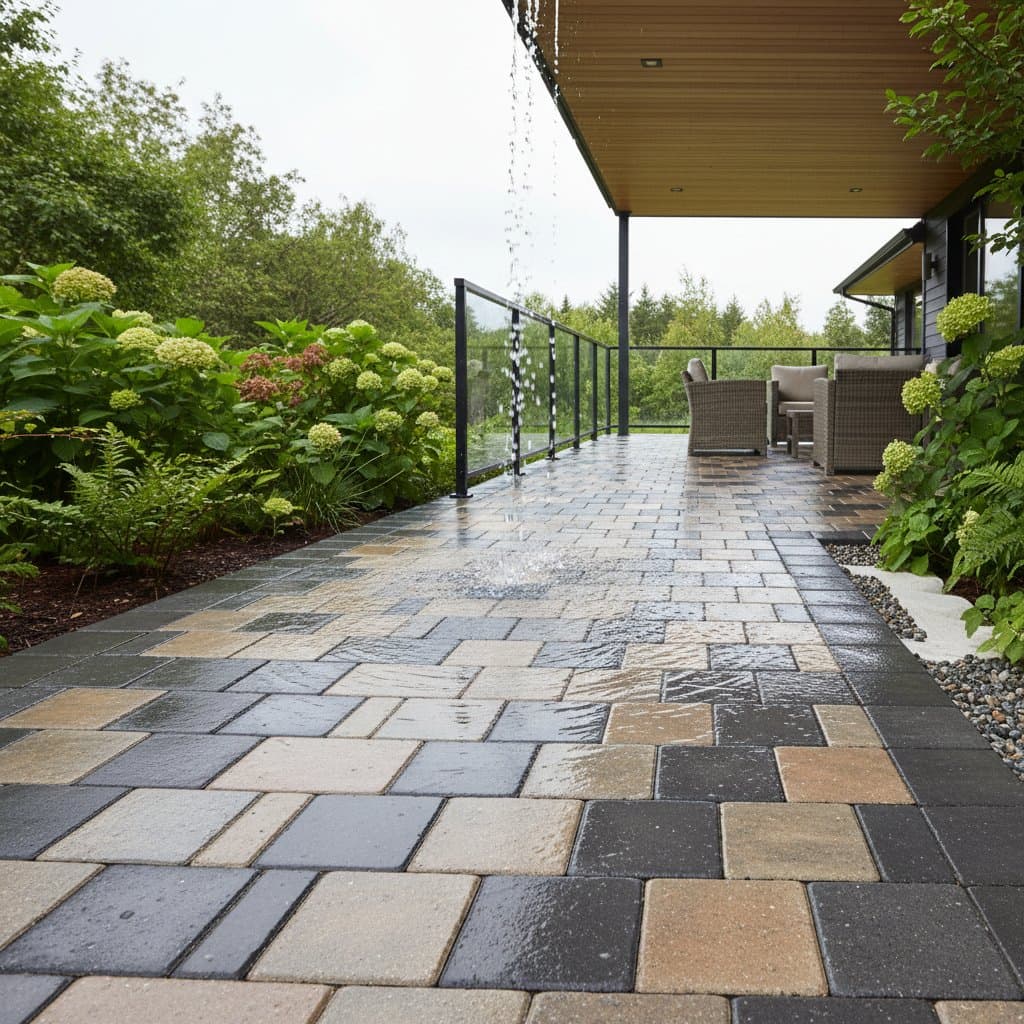
Permeable pavers offer a superior alternative to traditional decking materials by integrating drainage directly into the surface. Unlike solid wood or concrete decks that collect water and lead to slips or rot, these pavers feature gaps that channel rainwater into the underlying gravel layer, where it infiltrates the soil. This design reduces runoff, prevents pooling, and enhances the longevity of your outdoor area.

Homeowners in urban settings, such as New York City, benefit from this system as it complies with stormwater regulations and minimizes erosion around foundations. The result is a stable, attractive deck that stays dry even during heavy downpours, improving safety and comfort for family gatherings or relaxation.

Planning Your Permeable Paver Deck

Before starting, assess your deck's size, location, and soil type. Measure the area in square feet to calculate material needs; for example, a 10-by-12-foot deck requires about 120 square feet of coverage. Ensure the site slopes slightly away from the house, ideally 1/8 inch per foot, to direct excess water.

Check local building codes for permeable surface requirements, especially in areas prone to flooding. Sketch a layout, considering patterns like herringbone for visual appeal and optimal water flow. Budget for permits if the project alters drainage patterns near property lines.

Materials and Tools Required

Gather these essentials for a successful installation:

  • Permeable pavers (concrete or stone, 3 to 4 inches thick, sized 4 by 8 inches)
  • Base gravel (3/4-inch crushed stone, 4 to 6 inches deep)
  • Bedding material (fine aggregate or coarse sand, 1 inch layer)
  • Joint filler (fine aggregate, not polymeric sand)
  • Edging restraints (plastic or metal strips)
  • 10-inch landscape spikes

Tools include a shovel, wheelbarrow, plate compactor, rubber mallet, level, string line, masonry saw, broom, and stiff brush. Rent the compactor for efficient soil preparation.

Step-by-Step Installation Guide

1. Prepare the site

Remove existing decking or surface material down to the subgrade. Excavate 6 to 8 inches deep, depending on soil permeability; clay soils need deeper bases for better drainage. Clear debris and roots to create a stable foundation.

Install a geotextile fabric over the excavated area to prevent soil migration into the gravel while allowing water passage.

2. Install the base layer

Spread 4 to 6 inches of crushed gravel in 2-inch lifts. Compact each layer thoroughly with a plate compactor until it reaches the desired depth and firmness. This base provides structural support and primary drainage.

Verify the grade with a level; the surface should slope gently to avoid water accumulation.

3. Add the bedding layer

Spread 1 inch of fine aggregate or coarse sand over the compacted base. Use a straight board or screed level to smooth it evenly across the area. Avoid walking on this layer after leveling, as it directly supports the pavers and establishes the final grade.

4. Lay the pavers

Begin installation from a straight edge, such as against the house or a border. Position pavers with 1/8-inch gaps to form water channels. Gently tap each paver into place using a rubber mallet.

Check alignment every 2 feet with a level and string line to maintain a flat, even surface. Cut edge or irregular pieces with a masonry saw or chisel to fit precisely. Maintain a consistent pattern to ensure uniform water flow across the deck.

5. Fill the joints

Sweep fine aggregate into the gaps between pavers until they are completely filled. This material stabilizes the surface while permitting water to percolate through.

Compact the entire area once more with the plate compactor, then sweep additional filler into any settled joints.

Caution: Avoid polymeric sand, which hardens and seals the joints, obstructing the essential drainage function.

6. Install edging restraints

Secure plastic or metal edging along the perimeter using 10-inch spikes driven every 12 inches into the ground. This restraint holds the pavers in place against foot traffic, temperature changes, or frost expansion.

Backfill behind the edging with soil or gravel for added stability.

Safety Tips

Wear heavy-duty gloves when handling gravel or pavers to protect against cuts and abrasions. Maintain proper posture by keeping your back straight and knees bent when lifting; use a wheelbarrow for any load exceeding 40 pounds.

Before excavation near the house, locate and mark underground utilities like electrical or gas lines to prevent damage. Exercise caution when compacting near deck posts, ensuring adequate clearance from structural elements.

Troubleshooting Common Issues

Uneven surface: Identify low or high spots and adjust by adding or removing bedding material underneath. Recompact the area gently to restore levelness without disturbing surrounding pavers.

Slow drainage: Remove debris from joints using a stiff brush. If water still pools, inspect the underlying gravel for clogs or compacted soil; aerate if necessary.

Shifting pavers: Verify that edging restraints are securely anchored and spikes remain firm. Reapply joint filler to any widened gaps to restore stability.

Weed growth: Extract weeds promptly before roots establish. Refresh joint filler in affected areas to block future intrusion.

Budget and Timeline Considerations

For a 120-square-foot deck, material expenses typically range from $700 to $1,200, influenced by paver quality and aggregate type. Factor in $50 per day for compactor rental.

With two people, allocate one weekend for site preparation and paver laying, plus an additional day for finishing touches like edging and cleanup. Primary costs stem from paver selection and gravel delivery; opt for local or recycled materials to reduce expenses.

Ongoing Maintenance Practices

Permeable pavers demand far less attention than wooden decks. Perform monthly sweeping to clear joints of leaves and dirt. After intense rain, rinse the surface with a hose to flush away sediment.

Every two to three seasons, use a wet-dry vacuum to extract clogged material from joints and replenish with fresh aggregate. Annually inspect edging for secure spikes and replace any cracked pavers by lifting them and resetting on new bedding.

Seasonal Care Strategies

Spring: Examine for frost-induced heaving and relevel any displaced pavers before placing outdoor furniture.

Summer: Prevent clogs by regularly clearing leaves and soil. Hose down the deck every few weeks to maintain permeability.

Fall: Sweep the surface before and after peak leaf fall. Ensure nearby gutters do not direct debris onto the deck.

Winter: Remove snow with plastic shovels to avoid scratching pavers. Steer clear of salt, which can impair drainage and discolor stone.

Practical Storage Solutions

Store spare supplies such as three bags of fine aggregate and a bucket of gravel within easy reach for prompt repairs after weather events.

Organize tools like a folding shovel, broom, and mallet in a labeled, sealed bin under the deck or in a shed to save space.

Position a rain barrel or drainage channel no more than 3 feet from the edge to capture and repurpose runoff for irrigating plants.

Knowing When to Hire Professionals

Seek expert help if persistent pooling occurs despite joint cleaning or if water gathers near the foundation, indicating subgrade issues. Professionals can evaluate soil percolation and install enhanced drainage layers.

Request detailed quotes specifying gravel depth, paver thickness, and infiltration capacity; aim for systems that manage at least 5 gallons per square foot per hour without surface accumulation.

Achieving Lasting Deck Performance

Implementing permeable pavers transforms a puddle-prone deck into a resilient, eco-friendly feature. Follow these steps diligently to enjoy a space that withstands weather challenges while enhancing your property's value and usability.

You Might Also Like

Solar Drip Systems Keep Deck Gardens Watered Automatically

Glass Deck Floors That Skylight the Space Below

Mycelium Boards Replace Wood in Sustainable Decking

Cut Deck Noise with Acoustic Privacy Screens

Deck Benches That Turn Scraps Into Garden Soil

Tagged:

water-management,deck,drainage,water,permeable,management,pavers,permeable-pavers,deck-drainage

Recent by Sheila Spaulding

Image for Solar Pavers Convert Steps and Sunlight Into Power

Solar Pavers Convert Steps and Sunlight Into Power

Feb 2, 2026
Image for Grow 30 Plants in 2 Feet Using Nutrient Mist

Grow 30 Plants in 2 Feet Using Nutrient Mist

Feb 1, 2026
Image for Mycelium Boards Replace Wood in Sustainable Decking

Mycelium Boards Replace Wood in Sustainable Decking

Feb 1, 2026
Image for Solar Pergolas Turn Small Patios Into Power Sources

Solar Pergolas Turn Small Patios Into Power Sources

Feb 1, 2026
Image for Stop Balcony Noise With Layers That Block and Absorb Sound

Stop Balcony Noise With Layers That Block and Absorb Sound

Jan 31, 2026

Deck Construction & Remodeling

Solar Drip Systems Keep Deck Gardens Watered Automatically

Elevate your deck gardening with solar-powered drip irrigation for precise, hands-free watering. This guide covers final setup steps, safety measures, common fixes, cost breakdowns, and year-round care to foster healthy plants with minimal intervention.

Feb 2, 2026

Solar Pavers Convert Steps and Sunlight Into Power

Elevate your outdoor paths with solar pavers that generate electricity from sunlight and movement. This comprehensive resource outlines functionality, step-by-step setup, budgeting, troubleshooting, and ways to apply the power for lighting or devices—all while promoting green living.

Feb 2, 2026

Glass Deck Floors That Skylight the Space Below

Elevate your deck design with glass floor panels that function as skylights, flooding lower areas with natural light while delivering a sleek, contemporary look. This resource provides in-depth coverage of benefits, essential materials, step-by-step installation, safety protocols, maintenance routines, and guidance on when to hire experts—all to optimize your outdoor environment for light, style, and longevity.

Categories

Deck Construction & Remodeling(158)
Balcony Design(146)
Small-Space Gardens(63)
Rooftop Decks(50)
Backyard Design(18)
Feb 2, 2026

Mycelium Boards Replace Wood in Sustainable Decking

Mycelium decking redefines sustainable outdoor design with boards cultivated from fungal roots and agricultural waste. These lightweight, compostable planks match wood's strength while minimizing environmental impact. This guide covers planning, installation, and care for a resilient, green yard addition.

Feb 1, 2026

Cut Deck Noise with Acoustic Privacy Screens

Turn urban deck noise into peaceful quiet with acoustic privacy screens. Explore sound-blocking options, step-by-step installation, upkeep advice, and cost-effective choices for a more enjoyable outdoor space throughout the year.

Feb 1, 2026

Deck Benches That Turn Scraps Into Garden Soil

Convert your deck into an eco-friendly oasis with a composting bench that serves as both comfortable seating and efficient soil producer. This comprehensive guide details construction steps, material needs, troubleshooting, and seasonal care to minimize waste and maximize garden yields.

Jan 31, 2026

Permeable Pavers Stop Flooding and Raise Property Value

Permeable pavers convert waterlogged areas into resilient, environmentally friendly surfaces. Water infiltrates through paver joints and stone bases, minimizing runoff, safeguarding structures, and elevating aesthetic appeal. This comprehensive guide details installation processes, upkeep routines, and financial considerations to demonstrate how these pavers promote sustainability, property enhancement, and enduring outdoor usability.

Jan 29, 2026

Turn Your Deck into a Clean Energy Generator

Elevate your deck into a sustainable solar energy source with integrated pavers that merge aesthetics and efficiency. This guide covers sunlight evaluation, circuit planning, durable tile installation, performance upkeep, expense details, safety protocols, and professional consultation needs to create a self-powered outdoor retreat.

Jan 29, 2026

Solar Pavers Turn Sunlight Into Outdoor Power

Elevate your outdoor areas with solar pavers, robust tiles that capture sunlight to generate power for lighting, charging stations, and appliances. This guide covers their functionality, required materials, and detailed installation instructions to build an efficient, wire-free environment that blends practicality with aesthetic appeal.

Jan 28, 2026

Mycelium Decks Replace Wood With Living Fungi Material

Mycelium, the intricate root system of fungi, emerges as a groundbreaking material for decking. This renewable and biodegradable option provides the durability of wood with a fraction of the environmental impact. Readers will gain insights into installation, maintenance, and benefits to create an outdoor haven that aligns with sustainable living principles.

Jan 27, 2026

Deck Pods Turn Open Decks into Year-Round Rooms

Convert your deck into a protected, inviting extension of your home using modular deck pods. This comprehensive guide covers planning, assembly, and upkeep for these adaptable structures, including required tools, safety protocols, and enhancements to achieve a durable, stylish outdoor space that provides year-round utility.

Jan 26, 2026

Solar Shade Sails Generate Power While Cooling Your Deck

Elevate your deck with solar shade sails that offer respite from the sun while harnessing solar power for everyday use. These versatile structures blend comfort with eco-friendly energy generation. Explore practical steps for installation, upkeep, and optimization to create an inviting, self-sustaining outdoor haven.

Jan 26, 2026

Cool Your Deck 15° with Solar Shade Sails

Counter summer deck heat with solar shade sails capable of reducing temperatures by up to 15 degrees. These tensioned fabric panels effectively block UV rays, improve airflow, and install in just one day. Gain insights into required tools, essential safety measures, and maintenance strategies for extended outdoor enjoyment.

Jan 25, 2026

Why Permeable Decks Stay 20 Degrees Cooler

Permeable decks address intense summer heat by facilitating airflow and water passage, which dissipates trapped warmth and maintains surfaces up to 20 degrees cooler. Incorporating light-colored materials, strategic gaps, and evaporative cooling, these decks foster inviting, sustainable outdoor areas that require low maintenance and provide enduring relief from hot surfaces.

Jan 25, 2026

Solar Pergolas Cut City Heat While Powering Your Deck

Elevate your compact urban deck with a solar pergola that delivers shade, produces renewable energy, and enhances sustainability. This comprehensive guide includes planning strategies, material choices, step-by-step installation, safety protocols, and upkeep tips to achieve a cooler, cost-effective outdoor area while increasing home value on a practical budget.

Jan 24, 2026

Fungal Fibers That Replace Wood Decks and Compost Clean

Mycelium decks redefine urban outdoor spaces through sustainable, compostable panels derived from fungal networks. These lightweight, durable alternatives to wood or plastic utilize agricultural waste. Follow this guide to cultivate, process, install, and maintain them for environmentally conscious urban design.

Jan 24, 2026

Misting Systems Drop Deck Temps 20° Fast

Misting systems transform hot decks into inviting spaces by reducing temperatures up to 20 degrees. This guide details planning, installation, maintenance, and optimization strategies for safe, effective cooling throughout the season.

Jan 22, 2026

UV Shade Sails Drop Deck Temps 20 Degrees

Combat summer heat and safeguard your deck using UV shade sails. This comprehensive guide details selection, installation, and upkeep strategies that reduce surface temperatures, avert color fading, and prolong deck longevity. Explore required tools, safety measures, common issues, and professional insights to create a fashionable, protected outdoor haven.

Jan 22, 2026

Shade Sails That Follow the Sun All Day Long

Automatic sun-tracking shade sails adjust their position to follow the sun, providing consistent shade and comfort on decks and patios. This comprehensive guide explains the technology, step-by-step installation, essential safety measures, ongoing maintenance, associated costs, and strategies to maximize durability and efficiency in your outdoor environment.

Jan 21, 2026

AI Cameras That Water Plants and Deter Deck Pests

Elevate your urban deck into an automated oasis with AI cameras that identify pests, optimize irrigation, and reduce upkeep. These intelligent systems leverage computer vision to safeguard plants, promote efficient water use, and deliver seamless outdoor enjoyment via straightforward installation and reliable performance.

Jan 21, 2026