Loading...

AI Irrigation Reduces Deck Water Use by 70% | urbanoutdoorsnyc.com | Urban Outdoors - Small-Space Gardens, Rooftop Decks, Balconies, Decks, Backyard Design
Skip to main content
Urban Outdoors
Search
Home
  1. Home
  2. /
  3. Small-Space Gardens
  4. /
  5. AI Irrigation Cut My Deck Water Use by 70 Percent
Small-Space Gardens

AI Irrigation Cut My Deck Water Use by 70 Percent

byDawn Hayden
2025-12-04 04:08:21December 4, 2025
6 min read
Featured image for AI Irrigation Cut My Deck Water Use by 70 Percent

Categories

Navigation

  • Home
  • All Articles
  • About Us
  • Privacy Policy
  • Terms of Service

© 2026 Urban Outdoors. Crafted for bold city dwellers.

2025-12-04 04:08:21
Urban Outdoors - Small-Space Gardens, Rooftop Decks, Balconies, Decks, Backyard Design

Introduction to AI Irrigation for Deck Gardens

Urban decks often host vibrant container gardens, but manual watering demands time and resources. Traditional methods lead to overwatering or neglect, wasting water and stressing plants. AI irrigation systems address these challenges by delivering precise amounts based on actual needs.

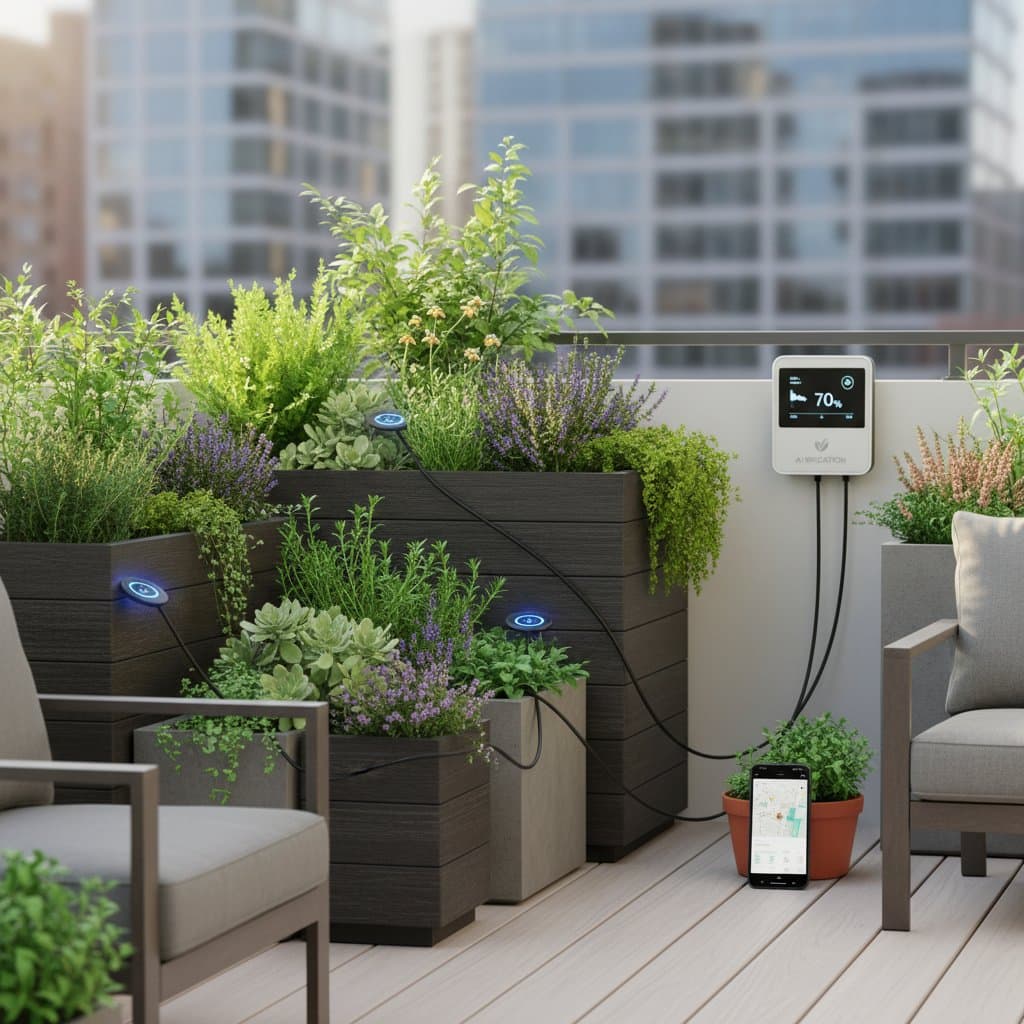
These systems integrate soil moisture sensors, weather data, and automated controllers to optimize schedules. In my experience, implementing one on a 200-square-foot deck slashed water usage by 70 percent over a season. Plants thrived with consistent moisture, and weekly checks replaced daily routines. This guide outlines the process from planning to maintenance, enabling similar results for any urban gardener.

Essential Tools and Materials

Before installation, gather these components for a reliable setup:

  • AI controller with app connectivity (models like Rachio or Orbit B-hyve support deck-scale zones).
  • Soil moisture sensors (one per watering zone, calibrated for pots and planters).
  • Drip tubing (1/4-inch diameter, 50-100 feet depending on deck size).
  • Drippers and emitters (adjustable flow rates of 0.5-2 gallons per hour).
  • Faucet adapter or hose splitter (with built-in filter to prevent clogs).
  • Barbed connectors, tees, and end caps (for secure, leak-free joins).
  • Basic tools: pruning shears for cutting tubing, adjustable wrench for fittings.

Budget typically ranges from $150 to $300 for a small deck system. Select weather-resistant materials to withstand outdoor exposure.

Planning Your Layout

Map the deck to identify watering zones. Group plants by sunlight and soil type: sun-loving herbs in one area, shade-tolerant ferns in another. Each zone requires its own sensor and drip line to account for varying evaporation rates.

Sketch paths for tubing along railings or under planters to avoid visibility. Calculate dripper needs: one per plant or two for larger pots. Factor in deck dimensions; a 10x10-foot space might use four zones. This planning prevents inefficiencies and ensures even coverage.

Step 1: Install the Controller

Position the AI controller near a power outlet and water source, ideally sheltered from direct rain. Mount it on a wall or post using included brackets. Connect to Wi-Fi via the companion app, which guides initial configuration.

Power on the unit and verify signal strength. Strong connectivity allows remote adjustments and data logging. Test basic functions before advancing.

Step 2: Place Soil Sensors

Insert sensors into the root zone of representative pots in each area, about 4-6 inches deep. Avoid spots near edges where moisture evaporates quickly. Label sensors in the app for easy tracking.

Sensors measure volumetric water content and temperature, feeding data to the controller. Accurate placement ensures the system responds to true conditions, preventing under- or overwatering.

Step 3: Lay Out Drip Tubing

Run the main supply line from the water source along the deck perimeter, securing with clips or ties. Branch off to zones using tees. Cut tubing to length with shears for clean ends.

Attach drippers at plant bases, pointing toward soil. Cap unused ends to maintain pressure. This network delivers water directly to roots, minimizing evaporation in urban heat.

Step 4: Connect Emitters and Sensors

Link drip lines to the controller outlet with barbed fittings. Push tubing firmly onto connectors; secure with clamps if needed. Wire sensors to the controller per manufacturer instructions, often via waterproof plugs.

Flush lines by running water briefly to clear debris. Inspect for proper seating to avoid future leaks.

Step 5: Integrate Weather Data

In the app, enable weather integration. The system pulls local forecasts to adjust for rain or humidity, skipping cycles when unnecessary. Set baseline preferences: target moisture levels around 20-30 percent for most deck plants.

This feature enhances efficiency, further reducing consumption during wet periods.

Step 6: Link to Water Source

Attach the tubing to a faucet adapter or hose splitter. Connect the main line to the AI controller inlet. Tighten connections by hand until secure.

Turn on the water supply gradually to inspect for leaks. Address any issues by replacing loose joints with barbed connectors.

Step 7: Calibrate and Sync

Access the app or control panel to pair sensors and designate zones. Proceed through setup prompts to name each area.

Initiate a brief test cycle of approximately two minutes per zone. The system establishes moisture baselines and begins automatic schedule adjustments based on collected data.

Step 8: Test and Observe

Examine the setup the following day. Soil in each zone should remain lightly moist, without saturation. Review app dashboards for moisture trends.

If a zone shows persistent highs or lows, relocate its sensor or modify dripper output. Fine-tuning refines performance over the first week.

Troubleshooting Common Issues

Low Water Pressure

Weak dripper output signals potential kinks or clogs. Inspect and straighten lines; clean or replace emitters as required. Install a pressure regulator if faucet pressure surpasses 50 psi.

Uneven Watering

Dryer areas may need sensor repositioning toward the center or additional drippers. Precise data accelerates controller adaptations for balanced hydration.

Connectivity Interruptions

App signal loss requires relocating the controller nearer to the router or installing a Wi-Fi extender. Update firmware via the app to resolve software glitches.

Leaks at Connections

Loose fittings cause most leaks. Trim one inch from the tubing end and reinsert into the connector. Opt for fresh barbed fittings on aged lines.

Seasonal Storage

For winter removal, label tubing segments with masking tape, noting positions like left rail or corner planter. This organization streamlines spring reinstallation.

Store components in a compact bin alongside silica gel packets to prevent moisture damage. Clean all parts before packing.

Professional Assistance Options

Complex decks with numerous zones or intricate plumbing benefit from licensed plumber involvement. They can establish a dedicated irrigation line featuring a backflow preventer.

Request a pressure assessment to suit dripper specifications, a dedicated shutoff valve for winterization, and recommendations for compatible controllers aligned with the water supply.

Homeowners manage most hose-based installations independently with safety precautions.

Key Benefits and Insights

AI irrigation diminishes water usage by roughly 70 percent on compact decks through need-based delivery. It relies on real-time soil metrics rather than rigid timers.

Installation requires several hours with standard tools, yielding returns via reduced utility costs and robust plant vitality. Each step, from sensor deployment to line flushing, fosters uniform moisture and vigorous development.

Implementing Your System

Begin modestly with a single sensor and drip line on the thirstiest planter. Observe consistent soil conditions to build confidence.

Immediate Steps:

  1. Assess current watering patterns and identify quick-drying containers.
  2. Select a user-friendly AI controller equipped with soil sensors and mobile app integration.
  3. Diagram tubing routes and quantify required drippers prior to purchase.

Automated irrigation simplifies deck cultivation, enhancing sustainability. Thoughtful implementation yields lush greenery on balconies or decks, conserving water, expenses, and effort.

You Might Also Like

Solar Drip Systems Keep Deck Gardens Watered Automatically

Glass Deck Floors That Skylight the Space Below

Watering 50+ Pots From a Single Faucet

Mycelium Boards Replace Wood in Sustainable Decking

Cut Deck Noise with Acoustic Privacy Screens

Tagged:

technology,deck,water,smart,saving,systems,irrigation,watering,ai-irrigation-systems,smart-watering-deck

Recent by Dawn Hayden

Image for Glass Deck Floors That Skylight the Space Below

Glass Deck Floors That Skylight the Space Below

Feb 2, 2026
Image for Cut Deck Noise with Acoustic Privacy Screens

Cut Deck Noise with Acoustic Privacy Screens

Feb 1, 2026
Image for Deck Benches That Turn Scraps Into Garden Soil

Deck Benches That Turn Scraps Into Garden Soil

Jan 31, 2026
Image for Cool Balconies 15° Cheaper with Micro-Misting Systems

Cool Balconies 15° Cheaper with Micro-Misting Systems

Jan 30, 2026
Image for Living Sound Filters for City Apartments

Living Sound Filters for City Apartments

Jan 30, 2026

technology

Image for Watering 50+ Pots From a Single Faucet

Watering 50+ Pots From a Single Faucet

Feb 2, 2026
Image for Solar Pavers Turn Sunlight Into Outdoor Power

Solar Pavers Turn Sunlight Into Outdoor Power

Jan 28, 2026
Image for Micro-Drip Fog Systems Drop Balcony Temps 15 Degrees

Small-Space Gardens

Watering 50+ Pots From a Single Faucet

Convert your balcony's potted plants into a low-maintenance green haven using a micro-drip irrigation system. This practical guide details automatic watering for more than 50 pots, eliminating daily tasks while ensuring optimal hydration. Explore essential tools, installation from testing to timing, plus solutions for common issues and upkeep strategies for sustained success.

Feb 2, 2026

Grow 30 Plants in 2 Feet Using Nutrient Mist

Transform a narrow balcony into a productive aeroponic farm by 2026. These soil-free towers support up to 30 plants with efficient nutrient mist, delivering year-round greens while minimizing water use, space demands, and maintenance.

Feb 1, 2026

Simple Drip Systems That Water While You Work

Elevate your urban balcony garden with a simple, app-free micro drip irrigation system. This practical guide covers tools, installation steps, troubleshooting, and maintenance to ensure reliable watering and vibrant plants, even during busy schedules.

Jan 31, 2026

Categories

Deck Construction & Remodeling(158)
Balcony Design(146)
Small-Space Gardens(63)
Rooftop Decks(50)
Backyard Design(18)

Micro-Drip Fog Systems Drop Balcony Temps 15 Degrees

Jan 28, 2026
Image for AI Cameras That Water Plants and Deter Deck Pests

AI Cameras That Water Plants and Deter Deck Pests

Jan 21, 2026
Image for AI Sensors Keep Rooftop Gardens Watered Automatically

AI Sensors Keep Rooftop Gardens Watered Automatically

Dec 25, 2025

How Urban Gardens Cut City Noise by 70%

Convert your bustling urban garden into a tranquil haven using layered vegetation and sound-dampening materials. This comprehensive guide details how evergreens, grasses, mulch, and permeable surfaces can diminish noise by up to 70 percent, fostering a soothing space that filters out urban clamor while enhancing natural serenity.

Jan 31, 2026

Living Sound Filters for City Apartments

Convert urban clamor into tranquility using acoustic plants as living sound barriers. This guide details optimal plant selection, strategic placement, and upkeep for effective noise reduction in tight city dwellings. Affordable and aesthetically pleasing, these green solutions deliver enduring calm without major alterations.

Jan 30, 2026

Mini Bog Gardens Bring Wetland Habitats to Balconies

Turn a standard balcony into a vibrant mini bog garden that mimics natural wetlands. Assemble a self-sustaining system with layered substrates, precise watering techniques, and native plants to foster biodiversity and create an engaging urban green space.

Jan 28, 2026

Why Shade Apps Unlock Perfect Balcony Gardens

Elevate your balcony garden using shade apps to precisely map sunlight exposure. Gain insights on plant selection for specific light zones, easy scanning techniques, and cost-effective tools. Uncover strategies for seasonal adjustments to cultivate a vibrant, sustainable urban oasis.

Jan 28, 2026

Microclimate Pods Extend Growing Season on Balconies

Turn your balcony or rooftop into a productive garden that defies seasonal limits with microclimate pods. These innovative enclosures maintain optimal warmth, humidity, and airflow. Follow this comprehensive guide for construction, plant selection, safety measures, and ongoing care to harvest greens and herbs throughout the year.

Jan 26, 2026

Three Square Feet of Balcony That Feeds Urban Bees

In the heart of urban living, three square feet of balcony can become a thriving haven for bees. This guide details plant selections, container arrangements, and maintenance practices to attract pollinators throughout the year. With modest investment and simple routines, your compact space contributes to healthier ecosystems and serene outdoor moments.

Jan 25, 2026

Aeroponic Towers Fit Full Veggie Gardens in 4 Feet

Convert a compact balcony into a productive, soil-free vegetable garden using aeroponic towers. This detailed guide covers planning, assembly, and maintenance for a lightweight system that delivers abundant yields while fitting urban constraints like limited space and sunlight.

Jan 24, 2026

Balcony Microclimates That Triple Your Harvest

Transform your balcony garden by identifying and leveraging microclimates—warm pockets, windy perimeters, and shaded retreats—that influence plant success. Map exposure to light, air, and temperature; assign suitable crops to zones; and adapt seasonally for a bountiful, year-round harvest in compact settings.

Jan 23, 2026

Balcony Mushroom Farms That Pay for Themselves

Transform your shaded balcony into a profitable mushroom farm producing gourmet varieties like oyster and shiitake. This guide covers setup, maintenance, harvesting, and sales strategies to generate steady income from urban space with minimal effort.

Jan 21, 2026

Acoustic Walls Cut Neighbor Noise Without Renovating

Achieve tranquility in bustling urban environments through acoustic walls, strategic sealing, and sound-absorbing plants. This guide provides practical installation steps, affordable material recommendations, and maintenance tips to create a serene home without extensive renovations.

Jan 18, 2026

Plants Cut City Noise With Layers and Smart Placement

Convert urban balconies or courtyards into tranquil refuges with sound-absorbing plants. Discover layering techniques featuring bamboo, evergreens, and grasses to diffuse noise, plus essential tips on selection, positioning, care, and affordability for compact green spaces.

Jan 17, 2026

Turn Your Balcony Into a Pollinator Stopover

Convert your balcony into a vibrant pollinator habitat that draws in bees, butterflies, and hummingbirds. Employ native plants, fresh water sources, and basic containers to promote urban biodiversity, improve air quality, and establish a serene green oasis, all achievable for less than seventy dollars with minimal weekly maintenance.

Jan 17, 2026

Dwarf Fruit Trees Turn Tiny Balconies into Orchards

Even the tiniest balcony can become a productive orchard with dwarf fruit trees. Compact options like Meyer lemon and dwarf apple varieties yield full-sized fruit in containers. This guide provides essential steps for setup, ongoing care, and troubleshooting to help city dwellers cultivate fresh produce just steps from their living spaces.

Jan 15, 2026

Turning Nine Square Feet Into a Pollinator Haven

Convert a modest 3x3 balcony into a dynamic micro-meadow that supports bees, butterflies, and birds. This comprehensive guide explains the process of designing, planting, and sustaining a lightweight, low-maintenance native plant habitat that delivers seasonal blooms, tranquility, and environmental benefits to city dwellers.

Jan 15, 2026

AI Garden Cams Catch Plant Problems Before They Spread

AI garden cameras leverage smart sensors and machine learning to track plant health, identify stress indicators promptly, and provide targeted care recommendations. This comprehensive guide covers device selection, installation procedures, data interpretation, and optimization strategies for watering and lighting, enabling urban gardeners to sustain healthy plants with reduced uncertainty and minimal effort.

Jan 14, 2026

Why Wildflower Balconies Supercharge Urban Pollinators

Convert your balcony into a buzzing mini-ecosystem that sustains urban pollinators. Explore native wildflower choices, efficient container arrangements, and simple maintenance routines to build lasting habitats in compact city areas. Gain insights into budget-friendly supplies, time commitments, and year-round strategies for a pollinator paradise.

Jan 12, 2026

AI Sensors Stop Deck Plants From Drying Out

AI sensors revolutionize deck gardening with automated watering based on real-time environmental data. This comprehensive guide covers installation, calibration, troubleshooting, and maintenance to ensure thriving plants, water savings, and minimal effort in compact urban spaces.

Jan 9, 2026