
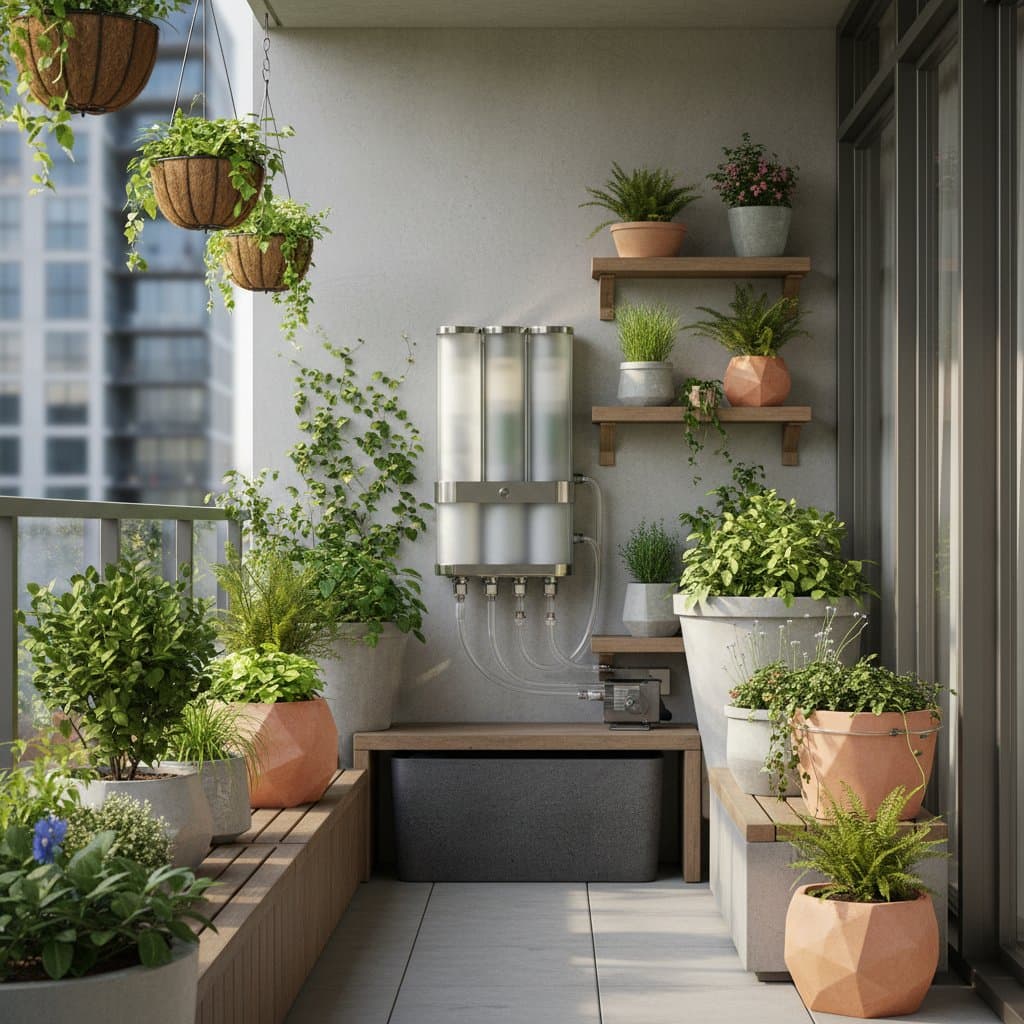
Greywater Recycling: Cultivating Lush Balcony Gardens
Urban balconies face unique challenges in maintaining greenery. Restricted water supplies, compact areas, and intense sunlight often lead to struggling plants. However, recycling greywater from household sources offers a reliable solution to nurture your outdoor space effectively.
Greywater represents water that has been used lightly, such as from washing hands, showering, or rinsing vegetables. This resource excludes wastewater from toilets or areas contaminated by strong chemicals. Proper filtration and handling transform it into a valuable asset for irrigation, helping to lower utility expenses, ease pressure on municipal water infrastructure, and sustain vegetation during periods of scarcity.
Understanding Greywater Basics
Greywater differs from blackwater, which involves sewage and requires professional treatment. In balcony settings, focus on sources like bathroom sinks or showers that produce minimal contaminants. Benefits extend beyond conservation; they include fostering biodiversity in limited urban environments and promoting self-sufficiency for residents.
Local regulations may vary, so check community guidelines before implementation. In many areas, small-scale personal systems remain permissible without permits, provided they avoid direct plumbing connections.
Essential Tools and Materials
Assemble a basic kit to initiate your greywater recycling process. Start with these core items:
- A durable 5-gallon bucket equipped with a secure lid for initial collection.
- A fine mesh strainer or cheesecloth to eliminate larger particles.
- A standard watering can or adaptable hose nozzle for precise distribution.
- Biodegradable, low-sodium soaps to ensure compatibility with plant health.
- An opaque storage vessel marked for greywater use only.
For enhanced efficiency, consider additions such as a battery-operated pump for easier transfer, drip irrigation lines to target roots directly, or a shallow tray positioned beneath a drain for passive collection. These upgrades allow for scalable systems suited to various balcony sizes.
Step-by-Step Implementation
Follow these structured steps to integrate greywater into your routine seamlessly.
-
Gather water mindfully. Position your bucket to capture runoff from showers or sinks immediately after use. Select sources free from bleach, oils, or synthetic fragrances to protect plant vitality.
-
Filter thoroughly. Transfer the water through the strainer into a secondary container, capturing solids like hair or residue. For finer purification, allow it to settle or pass through multiple layers of cloth.
-
Store appropriately. Limit retention to 24 hours in a cool, shaded location to prevent microbial growth. Agitate gently if separation occurs, ensuring even composition.
-
Apply strategically. Direct the water to the base of plants, avoiding foliage to minimize disease risk. Allocate approximately 1 quart per medium-sized pot, adjusting based on soil moisture levels.
-
Observe and adjust. Inspect for signs of stress, such as yellowing leaves or crusty deposits. Introduce fresh water flushes biweekly to dilute any accumulating salts.
-
Maintain hygiene. Clean all equipment weekly using a vinegar solution, then dry completely to inhibit bacterial proliferation.
Key Safety Considerations
Prioritize health and environmental integrity throughout the process. Refrain from applying greywater to edible crops, particularly leafy greens or tubers that contact the water directly. Secure storage areas out of reach from children and animals to avoid accidental ingestion.
Label all vessels prominently with warnings like "Non-Potable Water for Plants Only." Don protective gloves during handling and cleaning to safeguard against potential irritants. If skin contact occurs, rinse promptly with fresh water.
Common Issues and Solutions
Plants may exhibit wilting if the water retains excessive soap content. Transition to certified plant-friendly detergents and test on a single specimen first. Odors signal stagnation; discard the batch, sanitize the container with a 1:10 vinegar-to-water mix, and recommence collection.
Soil salinization appears as white crusts on the surface. Address this by replacing the upper soil layer and incorporating organic matter like compost to improve drainage. Persistent problems might indicate unsuitable water sources; revert to municipal supply temporarily for diagnosis.
Cost and Time Investment
Initial setup requires minimal expenditure, often under $20 with repurposed household goods. Advanced components, such as pumps or irrigation kits, add $15 to $50 depending on quality. Dedicate about one hour for assembly, with ongoing tasks consuming just minutes daily.
Long-term savings accrue from reduced water usage, potentially offsetting costs within months. Track your consumption to quantify benefits and refine the system for optimal efficiency.
Ongoing Maintenance Practices
Conduct weekly visual checks on containers for cracks or leaks, repairing or replacing as needed. Refresh filters monthly or upon noticing reduced flow. Inspect tubing for wear, especially after exposure to sunlight, and swap out degraded sections promptly.
Seasonally, perform a comprehensive soil refresh: remove the top 2 inches, mix in fresh potting medium, and irrigate with clean water. This routine prevents nutrient imbalances and sustains long-term productivity.
Optimizing Storage and Organization
Position collection tools proximate to generation points, such as a lidded bucket in the shower alcove or under the vanity. Employ stackable, space-efficient bins to house filters, cleaning supplies, and soaps without cluttering your balcony.
Use waterproof markers for indelible labeling, distinguishing greywater items from household essentials. This organization streamlines operations and reinforces safety protocols.
Professional Assistance Options
For expansions involving fixed plumbing integrations, consult a licensed plumber versed in greywater standards. Inquire about backflow preventers and compliant materials to adhere to building codes. Avoid unauthorized modifications to plumbing systems, as they pose risks to sanitation and legality.
Professionals can assess your balcony's layout for custom solutions, ensuring scalability without compromising structure.
Building and Expanding Your System
Commence with a modest configuration: a single bucket serving two or three resilient plants like herbs or succulents. Monitor outcomes over the initial weeks, noting growth rates and water efficacy.
As proficiency develops, incorporate automation like timers for drip systems, extending coverage to larger arrays. Regular soil amendments and source diversification yield a resilient garden. Your balcony evolves into a model of urban sustainability, harnessing recycled resources for enduring vitality.