Loading...

Balcony Microclimates: Triple Your Urban Harvest with Smart Zoning | urbanoutdoorsnyc.com | Urban Outdoors - Small-Space Gardens, Rooftop Decks, Balconies, Decks, Backyard Design
Skip to main content
Urban Outdoors
Search
Home
  1. Home
  2. /
  3. Small-Space Gardens
  4. /
  5. Balcony Microclimates That Triple Your Harvest
Small-Space Gardens

Balcony Microclimates That Triple Your Harvest

byAnne Marion
2026-01-23 04:40:13January 23, 2026
6 min read
Featured image for Balcony Microclimates That Triple Your Harvest

Categories

Navigation

  • Home
  • All Articles
  • About Us
  • Privacy Policy
  • Terms of Service

© 2026 Urban Outdoors. Crafted for bold city dwellers.

2026-01-23 04:40:13
Urban Outdoors - Small-Space Gardens, Rooftop Decks, Balconies, Decks, Backyard Design

Step 4: Match Crops to Each Zone

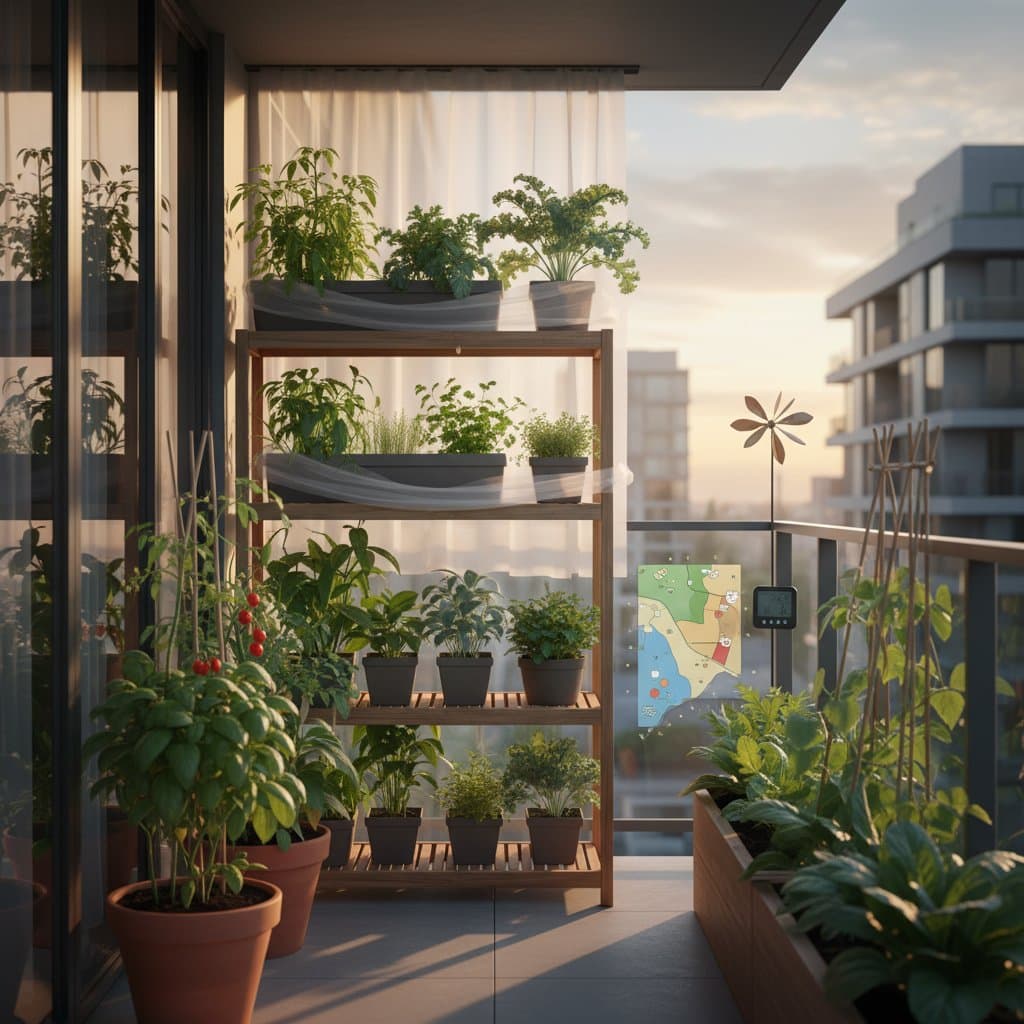
Microclimates on your balcony create distinct environments that favor specific plants. Select crops based on their tolerance for heat, wind, or shade to maximize growth and yield.

  • Heat Pocket: Position sun-loving plants such as tomatoes, peppers, eggplant, basil, and strawberries here. These thrive in warm, sheltered spots with at least six hours of direct sunlight daily.
  • Breezy Edge: Place wind-tolerant herbs and greens like mint, thyme, oregano, chives, and leafy greens along exposed railings. The airflow helps prevent fungal issues while providing gentle circulation.
  • Cool Corner: Reserve shaded areas for delicate varieties including lettuce, spinach, radishes, cilantro, and microgreens. These prefer indirect light and protection from intense afternoon sun.

Choose durable containers made of terracotta or plastic with multiple drainage holes to prevent root rot. Fill them with a high-quality potting mix formulated for vegetables, which includes nutrients and retains moisture without compacting. Maintain at least one inch of space below the rim to allow for thorough watering without overflow.

Step 5: Adjust and Monitor

Balcony conditions evolve with weather patterns and seasonal changes, so regular adjustments keep plants productive. Relocate pots incrementally, shifting them a few inches at a time to optimize exposure without shocking the roots.

If leaves show signs of scorching, such as brown edges, introduce temporary shade using lightweight fabric or a movable screen. For plants that appear leggy or stalled, reposition them nearer to brighter areas to capture more light.

Record observations weekly in a simple journal, noting plant performance, weather impacts, and zone effectiveness. This practice builds intuition over multiple seasons, allowing you to anticipate shifts without constant measurements. Tools like a basic thermometer or light meter can provide precise data during the learning phase.

Troubleshooting and Quick Fixes

Balcony gardens face unique challenges from urban elements like sudden gusts or building shadows. Address issues promptly to minimize setbacks and sustain yields.

Problem: Leaves curling or browning.

  • Cause: Excessive heat stress combined with dry winds that accelerate evaporation.
  • Fix: Relocate the affected plant to the Cool Corner immediately. Install a shade cloth during peak hours and water deeply in the early morning to replenish moisture before the day heats up.

Problem: Yellow leaves and slow growth.

  • Cause: Insufficient light exposure or excess water leading to soggy roots.
  • Fix: Move the container toward the Heat Pocket for better illumination. Inspect and clear drainage holes if clogged, and allow the top inch of soil to dry out between waterings.

Problem: Powdery mildew on herbs.

  • Cause: Poor air circulation in humid conditions, allowing fungal spores to spread.
  • Fix: Transfer to the Breezy Edge to promote drying airflow. Prune overcrowded foliage to improve ventilation and apply a diluted baking soda spray as a natural deterrent.

Problem: Soil dries out daily.

  • Cause: High exposure to sun and wind in undersized pots that lose moisture rapidly.
  • Fix: Upgrade to larger containers with greater soil volume, or cluster pots together to create a humid micro-environment. Apply a two-inch layer of organic mulch on the surface to slow evaporation.

Assemble a compact maintenance kit including pruning shears, garden twine, spare potting soil, and adjustable plant clips. These essentials enable swift interventions that protect your harvest from escalating problems.

Maintenance and Seasonal Shifts

Your balcony's microclimates respond to the sun's path and temperature fluctuations, requiring periodic recalibration. Update your zone map at the start of spring and fall to reflect these changes.

Spring:
Initiate planting with cool-season crops in the shaded corner to avoid early heat waves. Employ transparent plastic sheeting as row covers to conserve nighttime warmth while permitting light penetration. Position low-profile windbreaks, such as bamboo screens, to shield seedlings without blocking beneficial breezes.

Summer:
Relocate heat-tolerant plants to full-sun positions as days lengthen. Spread a layer of mulch, like shredded bark or straw, around bases to conserve soil moisture amid rising temperatures. Deploy adjustable shade cloths elevated on stakes to filter intense midday rays without darkening the entire space.

Fall:
Draw containers closer to building walls to capture lingering daytime heat. Plant a final succession of quick-growing greens or herbs in the Cool Corner for late-season harvests. Thoroughly clean pots and verify drainage systems in preparation for increased rainfall.

Winter:
Remove spent plants and cover empty containers to shield against frost. Store unused potting mix in airtight containers to maintain quality. Secure the railing with insulating fabric or burlap panels to reduce wind penetration and protect dormant roots.

This seasonal routine ensures your garden remains resilient, transitioning smoothly between cycles for consistent productivity.

When to Call a Pro

While most balcony setups handle routine care, certain structural or installation concerns warrant expert input to ensure safety and compliance.

Consult a structural engineer or your building manager if you notice:

  • Signs of water damage, such as cracking or discoloration on surfaces.
  • Plans to mount planters exceeding one hundred pounds, including soil and water weight.
  • Intentions to integrate permanent features like automated irrigation lines or fixed lighting fixtures.

Request documentation approving any modifications. This step safeguards your setup, the building's integrity, and your personal liability.

Key Takeaways

Microclimates on a balcony expand growing opportunities by creating specialized zones for diverse crops. Dedicate time to observing sunlight patterns and wind flows, as this insight outperforms random placements. Opt for mobile containers that allow easy repositioning in response to changing light. Integrate both warm and ventilated areas to support a balanced ecosystem. Maintain detailed records to refine your approach each year, fostering reliable results in limited spaces.

Making It Happen

Launch your microclimate strategy this week using existing resources. Spend an afternoon on the balcony with a notebook: trace the sun's arc across surfaces, assess wall temperatures by hand, evaluate soil dryness variations, and observe foliage movement in breezes.

Rearrange a couple of pots as a test—position sun-dependent plants against warmer walls and tuck shade-preferring ones into corners. Incorporate basic aids like a neutral-colored shade panel or a foil reflector to fine-tune conditions.

Continue tweaking throughout the months ahead. Each adjustment reveals nuances of your balcony's environment, gradually developing three productive zones that extend your fresh produce supply. Through this process, you cultivate a harmonious garden that aligns with urban living and delivers ongoing nourishment.

You Might Also Like

Watering 50+ Pots From a Single Faucet

Grow 30 Plants in 2 Feet Using Nutrient Mist

Stop Balcony Noise With Layers That Block and Absorb Sound

How Urban Gardens Cut City Noise by 70%

Cool Balconies 15° Cheaper with Micro-Misting Systems

Tagged:

gardening,balcony,zones,growing,microclimate,microclimate-gardening,balcony-zones,extended

Recent by Anne Marion

Image for Solar Drip Systems Keep Deck Gardens Watered Automatically

Solar Drip Systems Keep Deck Gardens Watered Automatically

Feb 2, 2026
Image for Watering 50+ Pots From a Single Faucet

Watering 50+ Pots From a Single Faucet

Feb 2, 2026
Image for Simple Drip Systems That Water While You Work

Simple Drip Systems That Water While You Work

Jan 31, 2026
Image for How Urban Gardens Cut City Noise by 70%

How Urban Gardens Cut City Noise by 70%

Jan 31, 2026
Image for Micro-Pergola Pods Bring Patio Comfort to Tiny Balconies

Micro-Pergola Pods Bring Patio Comfort to Tiny Balconies

Jan 29, 2026

gardening

Image for Grow 30 Plants in 2 Feet Using Nutrient Mist

Grow 30 Plants in 2 Feet Using Nutrient Mist

Feb 1, 2026
Image for Aeroponic Towers Fit Full Veggie Gardens in 4 Feet

Aeroponic Towers Fit Full Veggie Gardens in 4 Feet

Jan 24, 2026
Image for Automate Your Balcony Garden and Save 15 Minutes Daily

Small-Space Gardens

Watering 50+ Pots From a Single Faucet

Convert your balcony's potted plants into a low-maintenance green haven using a micro-drip irrigation system. This practical guide details automatic watering for more than 50 pots, eliminating daily tasks while ensuring optimal hydration. Explore essential tools, installation from testing to timing, plus solutions for common issues and upkeep strategies for sustained success.

Feb 2, 2026

Grow 30 Plants in 2 Feet Using Nutrient Mist

Transform a narrow balcony into a productive aeroponic farm by 2026. These soil-free towers support up to 30 plants with efficient nutrient mist, delivering year-round greens while minimizing water use, space demands, and maintenance.

Feb 1, 2026

Simple Drip Systems That Water While You Work

Elevate your urban balcony garden with a simple, app-free micro drip irrigation system. This practical guide covers tools, installation steps, troubleshooting, and maintenance to ensure reliable watering and vibrant plants, even during busy schedules.

Jan 31, 2026

Categories

Deck Construction & Remodeling(158)
Balcony Design(146)
Small-Space Gardens(63)
Rooftop Decks(50)
Backyard Design(18)

Automate Your Balcony Garden and Save 15 Minutes Daily

Jan 17, 2026
Image for Solar Drip Kits Water Your Deck Plants Automatically

Solar Drip Kits Water Your Deck Plants Automatically

Jan 13, 2026
Image for Aeroponic Towers Grow 20 Plants on a Balcony

Aeroponic Towers Grow 20 Plants on a Balcony

Jan 6, 2026

How Urban Gardens Cut City Noise by 70%

Convert your bustling urban garden into a tranquil haven using layered vegetation and sound-dampening materials. This comprehensive guide details how evergreens, grasses, mulch, and permeable surfaces can diminish noise by up to 70 percent, fostering a soothing space that filters out urban clamor while enhancing natural serenity.

Jan 31, 2026

Living Sound Filters for City Apartments

Convert urban clamor into tranquility using acoustic plants as living sound barriers. This guide details optimal plant selection, strategic placement, and upkeep for effective noise reduction in tight city dwellings. Affordable and aesthetically pleasing, these green solutions deliver enduring calm without major alterations.

Jan 30, 2026

Mini Bog Gardens Bring Wetland Habitats to Balconies

Turn a standard balcony into a vibrant mini bog garden that mimics natural wetlands. Assemble a self-sustaining system with layered substrates, precise watering techniques, and native plants to foster biodiversity and create an engaging urban green space.

Jan 28, 2026

Why Shade Apps Unlock Perfect Balcony Gardens

Elevate your balcony garden using shade apps to precisely map sunlight exposure. Gain insights on plant selection for specific light zones, easy scanning techniques, and cost-effective tools. Uncover strategies for seasonal adjustments to cultivate a vibrant, sustainable urban oasis.

Jan 28, 2026

Microclimate Pods Extend Growing Season on Balconies

Turn your balcony or rooftop into a productive garden that defies seasonal limits with microclimate pods. These innovative enclosures maintain optimal warmth, humidity, and airflow. Follow this comprehensive guide for construction, plant selection, safety measures, and ongoing care to harvest greens and herbs throughout the year.

Jan 26, 2026

Three Square Feet of Balcony That Feeds Urban Bees

In the heart of urban living, three square feet of balcony can become a thriving haven for bees. This guide details plant selections, container arrangements, and maintenance practices to attract pollinators throughout the year. With modest investment and simple routines, your compact space contributes to healthier ecosystems and serene outdoor moments.

Jan 25, 2026

Aeroponic Towers Fit Full Veggie Gardens in 4 Feet

Convert a compact balcony into a productive, soil-free vegetable garden using aeroponic towers. This detailed guide covers planning, assembly, and maintenance for a lightweight system that delivers abundant yields while fitting urban constraints like limited space and sunlight.

Jan 24, 2026

Balcony Microclimates That Triple Your Harvest

Transform your balcony garden by identifying and leveraging microclimates—warm pockets, windy perimeters, and shaded retreats—that influence plant success. Map exposure to light, air, and temperature; assign suitable crops to zones; and adapt seasonally for a bountiful, year-round harvest in compact settings.

Jan 23, 2026

Balcony Mushroom Farms That Pay for Themselves

Transform your shaded balcony into a profitable mushroom farm producing gourmet varieties like oyster and shiitake. This guide covers setup, maintenance, harvesting, and sales strategies to generate steady income from urban space with minimal effort.

Jan 21, 2026

Acoustic Walls Cut Neighbor Noise Without Renovating

Achieve tranquility in bustling urban environments through acoustic walls, strategic sealing, and sound-absorbing plants. This guide provides practical installation steps, affordable material recommendations, and maintenance tips to create a serene home without extensive renovations.

Jan 18, 2026

Plants Cut City Noise With Layers and Smart Placement

Convert urban balconies or courtyards into tranquil refuges with sound-absorbing plants. Discover layering techniques featuring bamboo, evergreens, and grasses to diffuse noise, plus essential tips on selection, positioning, care, and affordability for compact green spaces.

Jan 17, 2026

Turn Your Balcony Into a Pollinator Stopover

Convert your balcony into a vibrant pollinator habitat that draws in bees, butterflies, and hummingbirds. Employ native plants, fresh water sources, and basic containers to promote urban biodiversity, improve air quality, and establish a serene green oasis, all achievable for less than seventy dollars with minimal weekly maintenance.

Jan 17, 2026

Dwarf Fruit Trees Turn Tiny Balconies into Orchards

Even the tiniest balcony can become a productive orchard with dwarf fruit trees. Compact options like Meyer lemon and dwarf apple varieties yield full-sized fruit in containers. This guide provides essential steps for setup, ongoing care, and troubleshooting to help city dwellers cultivate fresh produce just steps from their living spaces.

Jan 15, 2026

Turning Nine Square Feet Into a Pollinator Haven

Convert a modest 3x3 balcony into a dynamic micro-meadow that supports bees, butterflies, and birds. This comprehensive guide explains the process of designing, planting, and sustaining a lightweight, low-maintenance native plant habitat that delivers seasonal blooms, tranquility, and environmental benefits to city dwellers.

Jan 15, 2026

AI Garden Cams Catch Plant Problems Before They Spread

AI garden cameras leverage smart sensors and machine learning to track plant health, identify stress indicators promptly, and provide targeted care recommendations. This comprehensive guide covers device selection, installation procedures, data interpretation, and optimization strategies for watering and lighting, enabling urban gardeners to sustain healthy plants with reduced uncertainty and minimal effort.

Jan 14, 2026

Why Wildflower Balconies Supercharge Urban Pollinators

Convert your balcony into a buzzing mini-ecosystem that sustains urban pollinators. Explore native wildflower choices, efficient container arrangements, and simple maintenance routines to build lasting habitats in compact city areas. Gain insights into budget-friendly supplies, time commitments, and year-round strategies for a pollinator paradise.

Jan 12, 2026

AI Sensors Stop Deck Plants From Drying Out

AI sensors revolutionize deck gardening with automated watering based on real-time environmental data. This comprehensive guide covers installation, calibration, troubleshooting, and maintenance to ensure thriving plants, water savings, and minimal effort in compact urban spaces.

Jan 9, 2026