
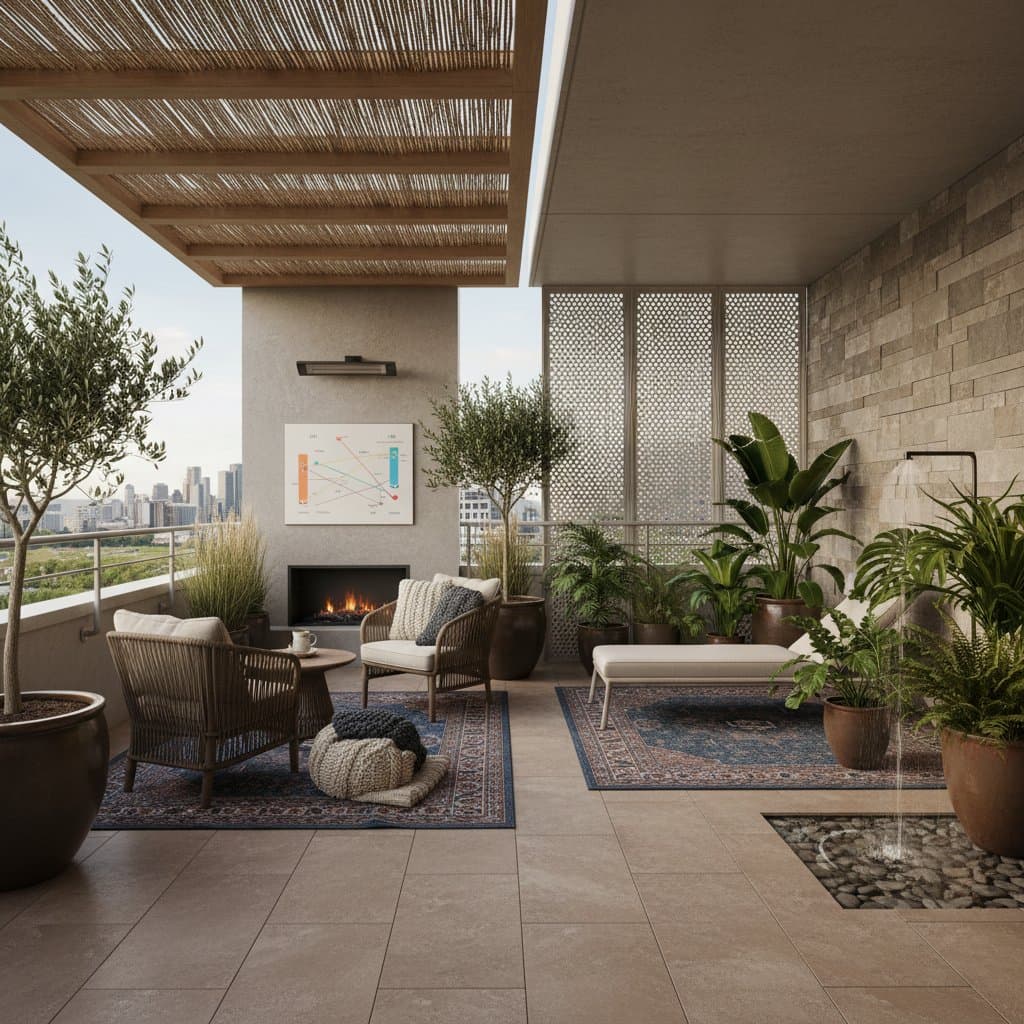
Introduction to Balcony Microclimates
Urban balconies offer valuable outdoor space, yet their conditions vary greatly due to sun exposure, wind patterns, and surrounding structures. A microclimate refers to the specific environmental pocketfactors on your balcony. By mapping and adjusting this microclimate, you achieve year-round comfort without extensive modifications.
This guide provides a step-by-step approach to evaluate, design, and maintain your balcony's microclimate. Follow these steps to create zones for relaxation, dining, or gardening that adapt to seasonal changes. The result is a functional extension of your living area that enhances daily life.
Step 1: Assess Your Balcony's Microclimate
Begin by observing your balcony's environmental dynamics over several days. Track sunlight hours using a simple journal or app; note areas that receive direct sun from morning until evening. Identify wind directions and speeds, especially during peak times like afternoons, by placing lightweight objects such as ribbons on railings.
Measure temperature variations with an inexpensive outdoor thermometer placed in different spots. Consider nearby influences, including building shadows or heat from adjacent walls. This assessment reveals hot spots, shaded areas, and draft-prone zones, forming the foundation for targeted improvements.
Step 2: Choose Durable, Climate-Resilient Materials
Select materials that withstand your balcony's specific conditions while contributing to comfort. For sunny exposures, opt for UV-resistant fabrics like solution-dyed acrylic for cushions and UV-protective coatings on metals to prevent fading. In windy areas, prioritize weighted or anchored items, such as concrete planters over plastic ones.
For temperature regulation, incorporate materials with thermal properties: stone or ceramic tiles absorb and release heat slowly, while light-colored composites reflect sunlight to stay cooler. Ensure all selections comply with weather resistance standards, such as those rated for wet and dry cycles. These choices extend the lifespan of your setup and maintain aesthetic appeal.
Step 3: Build Heat and Cool Zones
Organize your balcony into distinct zones based on their thermal influences. In a warm zone, position elements that retain heat, such as dark-colored planters that absorb sunlight, natural stone tiles for radiant warmth, or a compact tabletop heater for evenings.
Create a cool zone with elements that promote ventilation and reflection, including light-hued surfaces, breathable fabrics for shading, and a low-profile fan to circulate air. Arrange these zones adjacently to allow seamless movement between them. This setup ensures mornings remain pleasant without excessive heat and evenings stay comfortable without drafts.
Step 4: Add Layered Textures for Comfort
Incorporate soft, layered elements to enhance tactile comfort and retain warmth. Outdoor-rated cushions and throws in breathable acrylic or polyester blends provide insulation on cooler days. Place a weather-resistant rug to define seating areas and buffer against cold floors.
For versatility, store supplemental items like a fleece blanket in a waterproof storage bin during off-seasons. These layers create a cozy atmosphere that invites longer stays outdoors. Select textures that align with your microclimate, ensuring they dry quickly in humid conditions.
Step 5: Improve Air Circulation
Effective airflow prevents stuffiness and regulates temperature in your microclimate. Install vertical planters or open-weave railing baskets that permit wind to flow freely without blocking views. In enclosed balconies, ensure vents remain unobstructed or introduce a small oscillating fan for brief intervals of 10 minutes.
Position fans strategically to draw in fresh air from prevailing wind directions identified in your assessment. This circulation reduces humidity buildup and enhances overall comfort. Regular checks maintain optimal airflow as seasonal winds shift.
Step 6: Light for Function and Mood
Strategic lighting extends usability into evenings while complementing your microclimate. Install LED string lights or solar-powered lanterns for illumination that feels secure and welcoming. Choose bulbs with warm color temperatures of 2700 to 3000 Kelvin to produce a soft glow that avoids harsh reflections on nearby windows.
Mount lights at lower levels, such as along railings or tabletops, to guide movement without overhead glare. Solar options recharge during the day, aligning with sunny microclimates. This setup fosters a relaxing ambiance for after-dusk gatherings.
Safety Considerations
Prioritize safety to protect users and preserve your balcony setup. Use only electrical cords and fixtures certified for outdoor environments to prevent hazards from moisture. Secure heavy planters firmly to railings or floors to withstand gusts.
Steer clear of open flames near textiles or combustible railings. Review your building's regulations prior to adding permanent features like screens or heaters. These practices ensure a safe, enjoyable space for all seasons.
Troubleshooting Common Issues
Address challenges promptly to maintain comfort. If midday heat becomes intense, install a reflective shade cloth over exposed areas or add a light-colored rug to deflect sunlight. Incorporate heat-tolerant plants such as succulents or lavender to naturally moderate temperatures.
For persistent dampness or cold, elevate planters on stands to improve drainage and consider a portable dehumidifier for enclosed sections. When wind causes damage to plants or decor, erect a perforated barrier with at least 20 percent open space to diffuse gusts without creating turbulence.
Maintenance and Storage Practices
Regular upkeep preserves your microclimate enhancements. Clean surfaces monthly using mild soap and water to remove debris that fosters mold. Sweep away leaves and dust accumulation to keep air quality high.
Store textiles in airtight bins during inclement weather, inspecting for moisture regularly. Apply protective sealant to wooden elements every two seasons to guard against weathering. Rotate plant positions quarterly to promote even growth amid shifting sun patterns, and clean solar light panels with a soft cloth for consistent performance.
Budget and Time Estimates
Enhance your balcony's microclimate affordably, starting with expenditures of 100 to 300 dollars for basic materials like shades and rugs. Time commitments vary by task: dedicate one day to observing sun and wind patterns, allocate two to three hours for installing shades and wind barriers, and spend one hour arranging lighting and decor.
For advanced features such as structural glass panels or wired heaters, professional installation may cost 500 to 1500 dollars, factoring in size and required permits. These investments yield long-term value through extended outdoor use.
Seasonal Adjustments
Adapt your setup to evolving conditions each season. In spring, inspect drainage systems and refresh fabrics damaged by winter; introduce plants that attract pollinators for vibrant growth. During summer, boost airflow with fans and water plants in early morning to minimize evaporation.
As fall arrives, layer in heavier textiles and verify lighting functionality ahead of reduced daylight. In winter, shield furniture with covers, deploy safe compact heaters, and clear ice to prevent slips. These targeted updates sustain accessibility without overhaul.
When Professional Help Is Needed
Engage experts for complex modifications. Seek professionals for overhead installations fixed to walls or railings, as these require structural evaluation. Similarly, consult for new electrical outlets or heating systems to ensure code compliance.
Replace flooring only with guidance if it impacts building waterproofing. Professionals handle permits and safety, allowing you to focus on enjoyment.
Implement These Actions Now
Start by monitoring light and wind patterns over a full day to inform your design. Introduce a single comfort element, such as a rug or shade cloth, for immediate impact. Establish both warm and cool zones to prolong your time outdoors.
These initial steps build momentum toward a fully optimized balcony. Consistent application transforms your space into a reliable retreat, delivering comfort and convenience year-round.