Loading...

Extend Deck Use to 3 Seasons Using Microclimates | urbanoutdoorsnyc.com | Urban Outdoors - Small-Space Gardens, Rooftop Decks, Balconies, Decks, Backyard Design
Skip to main content
Urban Outdoors
Search
Home
  1. Home
  2. /
  3. Deck Construction & Remodeling
  4. /
  5. Extend Your Deck Use to Three Seasons with Microclimates
Deck Construction & Remodeling

Extend Your Deck Use to Three Seasons with Microclimates

byDawn Hayden
2025-11-07 03:38:55November 7, 2025
7 min read
Featured image for Extend Your Deck Use to Three Seasons with Microclimates

Categories

Navigation

  • Home
  • All Articles
  • About Us
  • Privacy Policy
  • Terms of Service

© 2026 Urban Outdoors. Crafted for bold city dwellers.

2025-11-08 03:25:15
Urban Outdoors - Small-Space Gardens, Rooftop Decks, Balconies, Decks, Backyard Design

Unlock Three Seasons of Deck Enjoyment with Microclimates

Many homeowners cherish their decks yet limit usage to brief summer periods. Chilly springs, scorching afternoons, and crisp fall evenings often leave the space unused. The solution lies in crafting microclimates to extend comfort across three seasons without undertaking large-scale renovations.

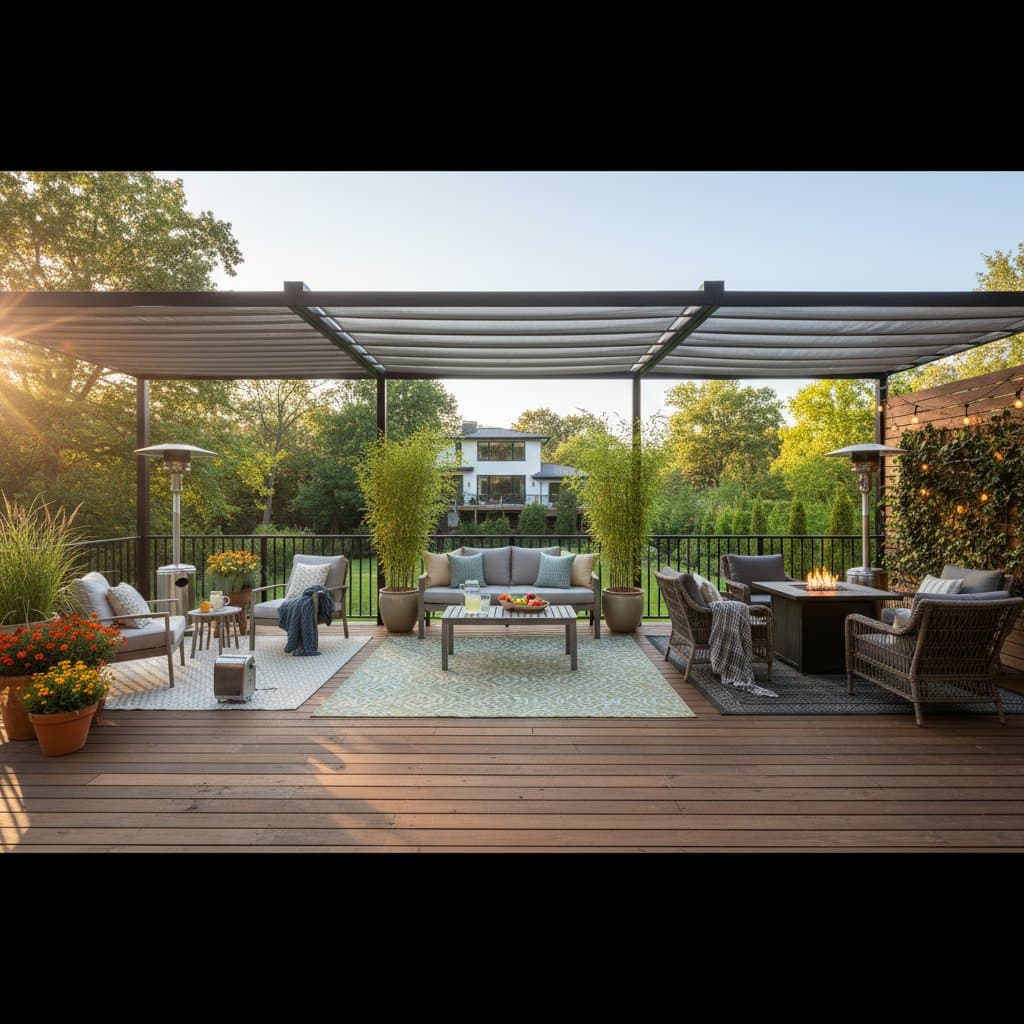
Microclimates refer to localized environmental conditions on your deck that vary in temperature, light, and air movement from the broader surroundings. This approach enables the creation of distinct zones tailored to specific times of day or weather patterns. The following guide explains the concept in detail, highlights its benefits, and provides step-by-step instructions for implementation using accessible materials.

Understanding Microclimates on Decks

A microclimate emerges in a confined area where factors like sunlight exposure, wind patterns, and material properties alter the immediate atmosphere. For instance, a deck corner shielded by a planter might retain evening warmth, while an open edge exposed to afternoon sun could become uncomfortably hot. These variations occur naturally but can be intentionally shaped to enhance usability.

By manipulating these elements, you divide your deck into thermal zones. One area might capture morning sun for a gentle start to the day, another provide respite from midday heat, and a third offer protection from evening chills. The objective is practical enhancement: more opportunities to enjoy the outdoors through subtle, effective adjustments.

Benefits of Microclimate Design

Implementing microclimates yields several advantages:

  • Maximizes existing space utilization without expanding the deck's footprint.
  • Promotes energy efficiency by leveraging natural solar gain and wind flow rather than relying on artificial climate control.
  • Delivers cost-effective improvements through inexpensive additions like fabric screens, area rugs, and potted plants.

These changes foster a more inviting outdoor environment, encouraging frequent use and extending the deck's role in daily life.

Essential Tools and Materials

No advanced tools are required to begin. Assemble a basic kit from household items supplemented by targeted purchases:

  • An outdoor thermometer or digital sensor to identify temperature variations across the deck.
  • A tape measure for accurately plotting zone boundaries and material placements.
  • A portable heating device, such as a propane patio heater or compact fire pit, for cooler periods.
  • Shade options including retractable umbrellas or UV-resistant shade sails spanning at least 6 feet in diameter.
  • Barriers for wind protection, such as freestanding lattice screens, heavy planters filled with dense foliage, or weatherproof curtains.
  • Insulating rugs or mats constructed from weather-resistant materials like polypropylene to trap ground heat.
  • LED string lights or solar-powered fixtures certified for outdoor moisture exposure to extend evening usability.

Prioritize safety by positioning all heat sources at least 3 feet from combustible surfaces, including railings and upholstery. Adhere strictly to manufacturer guidelines for clearance and ventilation.

Implementation Steps

Follow these sequential steps to assess, design, and refine your deck's microclimates. Each phase builds on the previous to create a cohesive, functional layout.

Step 1: Assess Current Conditions

Observe your deck during key times: early morning, midday, and late evening. Record sun paths, prevailing wind directions, and notable hot or cool spots using your thermometer. Sketch a simple diagram marking areas of high light, shade, breeze, and stagnation. Such observations reveal even minor discrepancies, like a 5-degree temperature drop near an exposed edge, that influence comfort levels.

Step 2: Develop Warm Retention Areas

Select materials that absorb and radiate heat effectively. Apply dark stains to wooden surfaces or lay stone tiles and outdoor rugs in targeted spots to capture solar warmth during the day and release it slowly at night. Introduce a portable heater or fire pit in these zones for supplemental warmth on cooler evenings. Always place open-flame devices on non-flammable stands, ensuring at least 3 feet of clearance from overhead structures and nearby fabrics.

Step 3: Incorporate Shade Solutions for Peak Heat

Address intense sunlight by installing adjustable shade elements. Opt for umbrellas with tilt mechanisms or fixed awnings covered in breathable fabric. Shade cloths offering 30 to 50 percent coverage filter harsh rays while permitting diffused light to maintain an open feel. Position lounge chairs or dining sets beneath these features during the warmest hours to prevent overheating and glare.

Step 4: Mitigate Wind Exposure

Winds accelerate heat loss, making outdoor spaces feel colder than the actual temperature suggests. Erect barriers on the windward side using tall, filled planters with evergreen shrubs, slatted bamboo fencing, or retractable privacy screens. Design these elements to reach at least 4 feet in height while incorporating 6-inch gaps at the base to allow gentle airflow. This prevents moisture buildup and ensures the deck remains fresh rather than stuffy.

Step 5: Establish Distinct Thermal Zones

Divide the deck into specialized areas to accommodate varying needs:

  1. A sun-exposed zone for invigorating cool mornings, equipped with cushioned seating to soak in gentle warmth.
  2. A shaded zone for relaxed hot afternoons, featuring misting fans or cooling gel cushions if desired.
  3. A sheltered zone for transitional evenings, combining windbreaks with ambient lighting for prolonged comfort.

Use area rugs to delineate boundaries, positioning furniture to link zones visually while preserving a sense of unity across the deck.

Step 6: Evaluate and Refine

Test each zone by spending time there throughout the day under different conditions. Measure temperatures and solicit feedback on perceived comfort from family members. Adjust placements as necessary: shift a screen to redirect breeze or reposition a heater to even out warmth. Iterative tweaks ensure the setup adapts to seasonal shifts, such as stronger fall winds or lingering spring chills.

Essential Safety Considerations

Safety forms the foundation of any outdoor enhancement. Maintain a minimum 3-foot separation between heat sources and vertical surfaces like walls or railings. Anchor shade structures and screens firmly to withstand winds up to 20 miles per hour. Verify that all electrical components, including lights and fans, carry IP65 or higher ratings for water resistance to avoid hazards during rain.

Common Challenges and Solutions

Challenge: Persistent Dampness in a Specific Area
Persistent moisture can chill a zone and promote mold growth.
Resolution: Introduce a low-profile fan for circulation or elevate rugs on spacers to facilitate drying.
Rationale: Circulating air accelerates evaporation, allowing the space to warm more readily.
Follow-Up: Incorporate permeable gravel layers or sloped pavers to enhance natural drainage.

Challenge: Excessive Darkness in Shaded Regions
Overly dense shade can create a cave-like atmosphere, deterring use.
Resolution: Select semi-transparent fabrics or integrate polished metal accents to reflect light.
Rationale: Reflective elements distribute illumination evenly, brightening the area without sacrificing protection.
Follow-Up: Apply light-colored paint to adjacent railings or install subtle accent panels.

Ongoing Care and Seasonal Preparation

Routine maintenance preserves the effectiveness of your microclimates. Wipe down heaters and fixtures monthly to remove debris that could impair function. During off-seasons, store textiles like cushions and shades in a dry indoor space to avert mildew. Reapply protective finishes to wooden elements every two to three years, enhancing their ability to absorb and retain heat.

Investment Overview

Most setups require only a single weekend for initial assembly. A foundational configuration with shade fabric, planters, and basic barriers typically ranges from $150 to $300. Incorporating advanced features like a quality heater or automated screens may increase the total to approximately $500, offering substantial returns in extended usability.

Professional Assistance Indicators

Consider consulting a landscape architect if your deck exceeds 400 square feet, features complex structural elements, or requires integration with electrical systems for automated shading. Professionals ensure compliance with local building codes, particularly for permanent installations like pergolas.

Actionable Starting Points

Begin by surveying your deck to identify prime sunny, windy, and protected locations. Prioritize enhancing one warm zone and one shaded area over the coming weekend. Introduce a single portable element, such as an umbrella or rug, then assess its impact on daily comfort to build momentum for further refinements.

You Might Also Like

Solar Drip Systems Keep Deck Gardens Watered Automatically

Glass Deck Floors That Skylight the Space Below

Mycelium Boards Replace Wood in Sustainable Decking

Cut Deck Noise with Acoustic Privacy Screens

Deck Benches That Turn Scraps Into Garden Soil

Tagged:

design,zoning,thermal,deck,season,multi,microclimate,microclimate-design,multi-season-deck,thermal-zoning

Recent by Dawn Hayden

Image for Glass Deck Floors That Skylight the Space Below

Glass Deck Floors That Skylight the Space Below

Feb 2, 2026
Image for Cut Deck Noise with Acoustic Privacy Screens

Cut Deck Noise with Acoustic Privacy Screens

Feb 1, 2026
Image for Deck Benches That Turn Scraps Into Garden Soil

Deck Benches That Turn Scraps Into Garden Soil

Jan 31, 2026
Image for Cool Balconies 15° Cheaper with Micro-Misting Systems

Cool Balconies 15° Cheaper with Micro-Misting Systems

Jan 30, 2026
Image for Living Sound Filters for City Apartments

Living Sound Filters for City Apartments

Jan 30, 2026

design

Image for Map Your Deck's Hot Spots Before You Zone

Map Your Deck's Hot Spots Before You Zone

Jan 19, 2026
Image for Shape Your Balcony Weather for Year-Round Comfort

Shape Your Balcony Weather for Year-Round Comfort

Jan 16, 2026
Image for Solar Pergolas Generate Power While Shading Your Deck

Deck Construction & Remodeling

Solar Drip Systems Keep Deck Gardens Watered Automatically

Elevate your deck gardening with solar-powered drip irrigation for precise, hands-free watering. This guide covers final setup steps, safety measures, common fixes, cost breakdowns, and year-round care to foster healthy plants with minimal intervention.

Feb 2, 2026

Solar Pavers Convert Steps and Sunlight Into Power

Elevate your outdoor paths with solar pavers that generate electricity from sunlight and movement. This comprehensive resource outlines functionality, step-by-step setup, budgeting, troubleshooting, and ways to apply the power for lighting or devices—all while promoting green living.

Feb 2, 2026

Glass Deck Floors That Skylight the Space Below

Elevate your deck design with glass floor panels that function as skylights, flooding lower areas with natural light while delivering a sleek, contemporary look. This resource provides in-depth coverage of benefits, essential materials, step-by-step installation, safety protocols, maintenance routines, and guidance on when to hire experts—all to optimize your outdoor environment for light, style, and longevity.

Categories

Deck Construction & Remodeling(158)
Balcony Design(146)
Small-Space Gardens(63)
Rooftop Decks(50)
Backyard Design(18)

Solar Pergolas Generate Power While Shading Your Deck

Jan 15, 2026
Image for Shaping Your Balcony's Mini Weather System

Shaping Your Balcony's Mini Weather System

Jan 14, 2026
Image for Wind Railings Turn City Gusts Into Deck Power

Wind Railings Turn City Gusts Into Deck Power

Jan 11, 2026
Feb 2, 2026

Mycelium Boards Replace Wood in Sustainable Decking

Mycelium decking redefines sustainable outdoor design with boards cultivated from fungal roots and agricultural waste. These lightweight, compostable planks match wood's strength while minimizing environmental impact. This guide covers planning, installation, and care for a resilient, green yard addition.

Feb 1, 2026

Cut Deck Noise with Acoustic Privacy Screens

Turn urban deck noise into peaceful quiet with acoustic privacy screens. Explore sound-blocking options, step-by-step installation, upkeep advice, and cost-effective choices for a more enjoyable outdoor space throughout the year.

Feb 1, 2026

Deck Benches That Turn Scraps Into Garden Soil

Convert your deck into an eco-friendly oasis with a composting bench that serves as both comfortable seating and efficient soil producer. This comprehensive guide details construction steps, material needs, troubleshooting, and seasonal care to minimize waste and maximize garden yields.

Jan 31, 2026

Permeable Pavers Stop Flooding and Raise Property Value

Permeable pavers convert waterlogged areas into resilient, environmentally friendly surfaces. Water infiltrates through paver joints and stone bases, minimizing runoff, safeguarding structures, and elevating aesthetic appeal. This comprehensive guide details installation processes, upkeep routines, and financial considerations to demonstrate how these pavers promote sustainability, property enhancement, and enduring outdoor usability.

Jan 29, 2026

Turn Your Deck into a Clean Energy Generator

Elevate your deck into a sustainable solar energy source with integrated pavers that merge aesthetics and efficiency. This guide covers sunlight evaluation, circuit planning, durable tile installation, performance upkeep, expense details, safety protocols, and professional consultation needs to create a self-powered outdoor retreat.

Jan 29, 2026

Solar Pavers Turn Sunlight Into Outdoor Power

Elevate your outdoor areas with solar pavers, robust tiles that capture sunlight to generate power for lighting, charging stations, and appliances. This guide covers their functionality, required materials, and detailed installation instructions to build an efficient, wire-free environment that blends practicality with aesthetic appeal.

Jan 28, 2026

Mycelium Decks Replace Wood With Living Fungi Material

Mycelium, the intricate root system of fungi, emerges as a groundbreaking material for decking. This renewable and biodegradable option provides the durability of wood with a fraction of the environmental impact. Readers will gain insights into installation, maintenance, and benefits to create an outdoor haven that aligns with sustainable living principles.

Jan 27, 2026

Deck Pods Turn Open Decks into Year-Round Rooms

Convert your deck into a protected, inviting extension of your home using modular deck pods. This comprehensive guide covers planning, assembly, and upkeep for these adaptable structures, including required tools, safety protocols, and enhancements to achieve a durable, stylish outdoor space that provides year-round utility.

Jan 26, 2026

Solar Shade Sails Generate Power While Cooling Your Deck

Elevate your deck with solar shade sails that offer respite from the sun while harnessing solar power for everyday use. These versatile structures blend comfort with eco-friendly energy generation. Explore practical steps for installation, upkeep, and optimization to create an inviting, self-sustaining outdoor haven.

Jan 26, 2026

Cool Your Deck 15° with Solar Shade Sails

Counter summer deck heat with solar shade sails capable of reducing temperatures by up to 15 degrees. These tensioned fabric panels effectively block UV rays, improve airflow, and install in just one day. Gain insights into required tools, essential safety measures, and maintenance strategies for extended outdoor enjoyment.

Jan 25, 2026

Why Permeable Decks Stay 20 Degrees Cooler

Permeable decks address intense summer heat by facilitating airflow and water passage, which dissipates trapped warmth and maintains surfaces up to 20 degrees cooler. Incorporating light-colored materials, strategic gaps, and evaporative cooling, these decks foster inviting, sustainable outdoor areas that require low maintenance and provide enduring relief from hot surfaces.

Jan 25, 2026

Solar Pergolas Cut City Heat While Powering Your Deck

Elevate your compact urban deck with a solar pergola that delivers shade, produces renewable energy, and enhances sustainability. This comprehensive guide includes planning strategies, material choices, step-by-step installation, safety protocols, and upkeep tips to achieve a cooler, cost-effective outdoor area while increasing home value on a practical budget.

Jan 24, 2026

Fungal Fibers That Replace Wood Decks and Compost Clean

Mycelium decks redefine urban outdoor spaces through sustainable, compostable panels derived from fungal networks. These lightweight, durable alternatives to wood or plastic utilize agricultural waste. Follow this guide to cultivate, process, install, and maintain them for environmentally conscious urban design.

Jan 24, 2026

Misting Systems Drop Deck Temps 20° Fast

Misting systems transform hot decks into inviting spaces by reducing temperatures up to 20 degrees. This guide details planning, installation, maintenance, and optimization strategies for safe, effective cooling throughout the season.

Jan 22, 2026

UV Shade Sails Drop Deck Temps 20 Degrees

Combat summer heat and safeguard your deck using UV shade sails. This comprehensive guide details selection, installation, and upkeep strategies that reduce surface temperatures, avert color fading, and prolong deck longevity. Explore required tools, safety measures, common issues, and professional insights to create a fashionable, protected outdoor haven.

Jan 22, 2026

Shade Sails That Follow the Sun All Day Long

Automatic sun-tracking shade sails adjust their position to follow the sun, providing consistent shade and comfort on decks and patios. This comprehensive guide explains the technology, step-by-step installation, essential safety measures, ongoing maintenance, associated costs, and strategies to maximize durability and efficiency in your outdoor environment.

Jan 21, 2026

AI Cameras That Water Plants and Deter Deck Pests

Elevate your urban deck into an automated oasis with AI cameras that identify pests, optimize irrigation, and reduce upkeep. These intelligent systems leverage computer vision to safeguard plants, promote efficient water use, and deliver seamless outdoor enjoyment via straightforward installation and reliable performance.

Jan 21, 2026