Loading...

Fire Planter Tables for Small Decks: Warmth, Greenery, and Style in 2025 | urbanoutdoorsnyc.com | Urban Outdoors - Small-Space Gardens, Rooftop Decks, Balconies, Decks, Backyard Design
Skip to main content
Urban Outdoors
Search
Home
  1. Home
  2. /
  3. Deck Construction & Remodeling
  4. /
  5. Fire Planter Tables Solve Three Small Deck Problems
Deck Construction & Remodeling

Fire Planter Tables Solve Three Small Deck Problems

byDawn Hayden
2025-11-30 03:41:50November 30, 2025
6 min read
Featured image for Fire Planter Tables Solve Three Small Deck Problems

Categories

Navigation

  • Home
  • All Articles
  • About Us
  • Privacy Policy
  • Terms of Service

© 2026 Urban Outdoors. Crafted for bold city dwellers.

2025-12-01 03:30:10
Urban Outdoors - Small-Space Gardens, Rooftop Decks, Balconies, Decks, Backyard Design

Fire Planter Tables: Transforming Small Decks in 2025

Small decks demand multifunctional furniture that maximizes every inch. A fire planter table delivers warmth, illumination, and vegetation in one efficient unit. This article explains the design, its relevance to compact urban spaces, and practical steps for safe, cost-effective implementation.

The content covers selection criteria, usage guidelines, and upkeep routines to ensure longevity across multiple seasons.

Overview of Fire Planter Tables

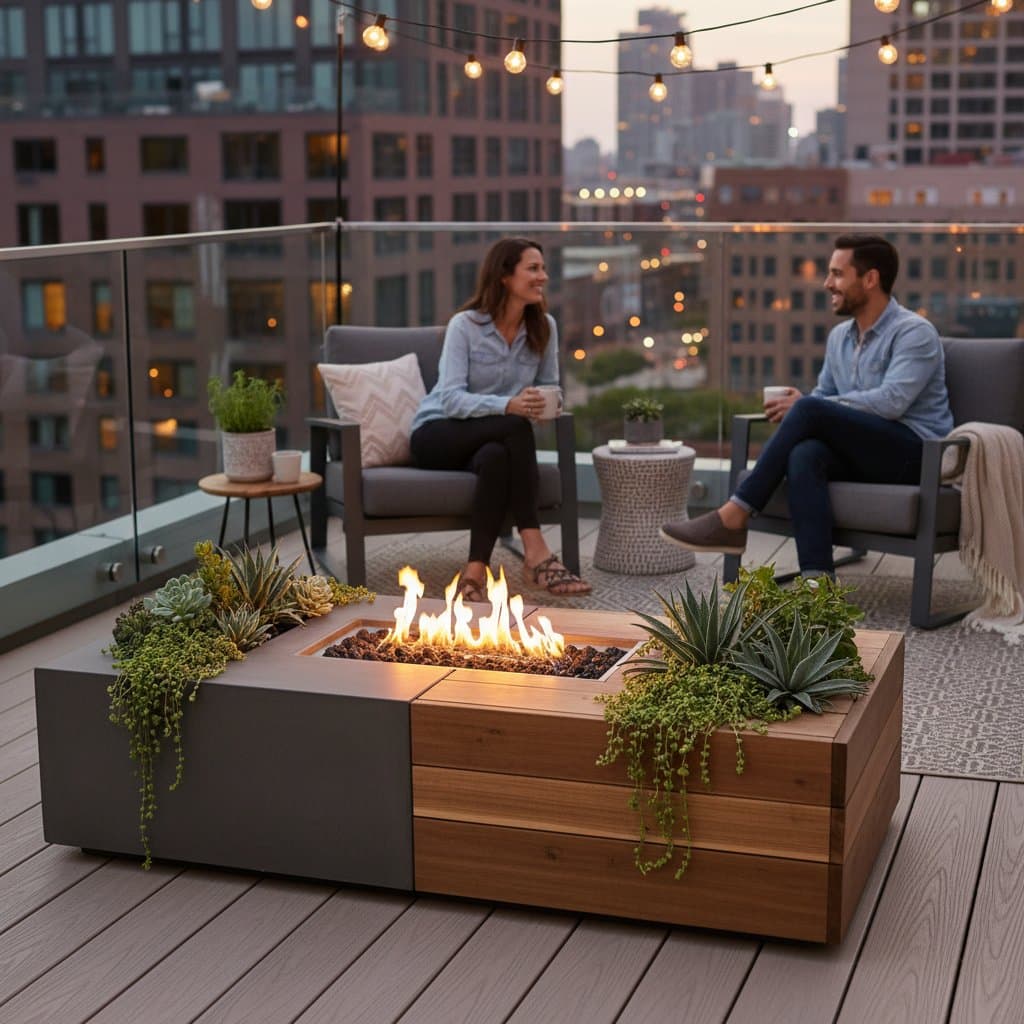
A fire planter table functions as a versatile outdoor table that integrates a gas or gel-fueled fire feature with a dedicated planting area for herbs, succulents, or compact flowers. Certain models feature a central fire basin encircled by soil compartments or detachable trays. Alternative configurations position the flame within a shallow basin adjacent to an elevated planter section. The core concept unites thermal output and botanical elements within a minimal spatial requirement.

Significance for Small Decks

Compact decks encounter constraints in area, thermal comfort, and aesthetic appeal. A fire planter table addresses these issues comprehensively by eliminating the necessity for distinct heating devices and ornamental planters. It establishes a central element that provides hand-warming heat and mitigates the starkness of urban deck surroundings. Additionally, it prolongs usable outdoor time by enabling comfortable evening gatherings for several extra weeks annually.

Primary advantages include:

  • Minimal spatial demand, typically spanning 30 to 42 inches (76 to 107 centimeters) in diameter
  • Multifunctional role serving as both a surface for items and a heat emitter
  • Versatile fuel options such as propane, gel fuels, or bioethanol
  • Aesthetic enhancement through visible, natural flames
  • Botanical integration that introduces vitality and acoustic buffering

Required Tools and Materials

Procure a ready-assembled fire planter table or construct one using modular components. In either case, assemble the following essentials prior to installation:

  1. Outdoor-rated fire module, delivering 20,000 to 50,000 BTUs
  2. Planter inserts or trays equipped with drainage provisions
  3. Flame-resistant foundation, including concrete, metal, or composite stone
  4. Fuel supply, consisting of a propane cylinder or gel fuel containers
  5. Protective weatherproof cover for the assembly
  6. Extended-reach multi-purpose lighter
  7. Potting medium and heat-tolerant, low-growing plants like sedum varieties or compact herbs

Maintain the total assembly weight below 100 pounds (45 kilograms) to facilitate mobility on confined decks.

Installation Steps

Execute these procedures sequentially to achieve a secure and equilibrated setup.

Step 1: Select the Placement

Identify a level, firm surface offering a minimum of 3 feet (0.9 meters) clearance surrounding the flame area. Position away from overhead canopies or combustible railings. Opt for a sheltered corner to stabilize the flame against breezes.

Step 2: Construct the Foundation

Verify the table top remains even. Address any instability by adjusting leveling feet or inserting thin rubber shims. Ensure the fire component seats securely in the base prior to introducing fuel.

Step 3: Set Up the Planting Area

Introduce lightweight potting soil to a depth of approximately 6 inches (15 centimeters). Select vegetation that withstands ambient heat and reduced humidity. Steer clear of upright growths that could encroach upon the flame zone.

Step 4: Attach the Fuel Source

For propane systems, secure the tank hose to the control valve and inspect for leaks by applying a soapy solution. For gel fuels, position canisters firmly in their receptacles. Refrain from altering fuel conduits or connectors.

Step 5: Ignite the Flame

Employ a long-handled lighter for ignition. Maintain distance between your face, hands, and the burner during startup. Regulate the flame elevation for optimal comfort, generally 6 to 8 inches (15 to 20 centimeters) from the table surface.

Step 6: Utilize and Appreciate

Arrange seating 2 to 3 feet (0.6 to 0.9 meters) from the table. Place beverages or meals along the peripheral edges, distant from the fire basin. Each fuel charge supports up to three hours of consistent warmth.

Essential Safety Guidelines

Adhere to these protocols during all operations.

  • Do not leave an active flame without supervision.
  • Position a compact fire extinguisher in close proximity.
  • Permit complete cooling before applying covers or relocating the unit.
  • Prevent planter overflow that could deposit soil adjacent to the flame.
  • Employ solely fuels certified for exterior fire applications to minimize residue accumulation.

In multi-unit residences, verify compliance with building fire regulations prior to operation. Certain jurisdictions impose limitations on exposed flames or propane containment.

Common Issues and Resolutions

Weak or Absent Flame

Examine the fuel valve for openness and clean the burner openings of obstructions. Blockages in the supply line may impede flow. Employ a fine brush to remove particulates.

Irregular Flame Distribution

A misaligned burner ring or uneven lava rock placement may cause this. Re-level the table and redistribute the stones uniformly.

Accelerated Plant Dehydration

Proximity to heat accelerates soil drying. Apply water sparingly twice weekly and incorporate a blend with perlite for moisture retention.

Surface Staining on the Table

Should discoloration from soot occur, cleanse the affected region with a moist cloth and gentle cleanser after cooling. Avoid scouring tools that damage the finish.

Upkeep Procedures

Sustain the fire planter table's condition through consistent maintenance.

  • Clear burner ports monthly to promote uniform combustion.
  • Prune foliage to preserve circulation near the flame.
  • Inspect fuel connections seasonally for potential leaks.
  • Deploy a fitted cover during periods of inactivity.

In moist environments, monitor metal components for corrosion and apply heat-resistant coating as necessary.

Off-Season Storage

For extended disuse, relocate the table to a covered area. Detach propane cylinders and seal all ports. Vacate the planting section to avert decay or infestations. Lightweight models suit indoor or shed storage. Substantial stone or concrete variants benefit from all-weather tarps during inclement periods.

Cost and Timeline Considerations

Anticipate expenditures of $200 to $700 for a durable fire planter table. Basic gel-based versions arrive assembly-free, whereas propane units often necessitate minor construction. Initial setup requires about one hour, encompassing leak verification and planting. Refill expenses range from $10 to $15, sufficient for multiple evening sessions.

To economize, fabricate a custom unit from a metal or concrete planter paired with a fire bowl insert. This method halves expenses but demands greater assembly effort.

Year-Round Usage Tips

Align maintenance with seasonal shifts to optimize deck usability.

  • Spring preparation: Renew the soil and substitute cold-affected plants. Disassemble and clean burner elements before initial activation.
  • Summer operation: Moderate the flame intensity and leverage the greenery for visual enhancement.
  • Fall adjustments: Elevate the flame modestly to counter dropping temperatures.
  • Winter protection: Secure fuel indoors, remote from heat sources. Encase the table comprehensively.

Professional Assistance Indicators

Engage a certified specialist for integrations involving deck-embedded gas lines or adjacent electrical fixtures. Experts assess airflow requirements and verify surface heat tolerance. Seek professional intervention upon detecting gas odors post-connection checks or recurrent ignition malfunctions.

Core Insights

A fire planter table converts constrained deck areas into welcoming havens. It conserves space by fulfilling heating and planting roles simultaneously. Optimal performance arises from selecting robust materials, ensuring firm positioning, and cultivating resilient flora.

Critical reminders:

  • Maintain a minimum 3-foot clearance encircling the flame.
  • Utilize exclusively outdoor-approved fuels for fire tables.
  • Preserve planter hydration and burner hygiene.
  • Shield and store the unit securely during idle times.

Next Actions for Implementation

To proceed effectively:

  1. Review local deck regulations regarding fuels and open flames.
  2. Examine multifunctional fire tables within your budget.
  3. Design a planting scheme emphasizing color and thermal resilience.

You Might Also Like

Solar Drip Systems Keep Deck Gardens Watered Automatically

Glass Deck Floors That Skylight the Space Below

Mycelium Boards Replace Wood in Sustainable Decking

Cut Deck Noise with Acoustic Privacy Screens

Deck Benches That Turn Scraps Into Garden Soil

Tagged:

heating,furniture,deck,fire,table,dual,planters,purpose,deck-heating,fire-table-planters

Recent by Dawn Hayden

Image for Glass Deck Floors That Skylight the Space Below

Glass Deck Floors That Skylight the Space Below

Feb 2, 2026
Image for Cut Deck Noise with Acoustic Privacy Screens

Cut Deck Noise with Acoustic Privacy Screens

Feb 1, 2026
Image for Deck Benches That Turn Scraps Into Garden Soil

Deck Benches That Turn Scraps Into Garden Soil

Jan 31, 2026
Image for Cool Balconies 15° Cheaper with Micro-Misting Systems

Cool Balconies 15° Cheaper with Micro-Misting Systems

Jan 30, 2026
Image for Living Sound Filters for City Apartments

Living Sound Filters for City Apartments

Jan 30, 2026

heating

Image for Compact Fire Tables That Fit Small Urban Balconies

Compact Fire Tables That Fit Small Urban Balconies

Jan 22, 2026
Image for Tabletop Fire Pits Bring Warmth to Small Balconies

Tabletop Fire Pits Bring Warmth to Small Balconies

Dec 25, 2025
Image for Why Fire Tables Beat Fire Pits on Small Decks

Deck Construction & Remodeling

Solar Drip Systems Keep Deck Gardens Watered Automatically

Elevate your deck gardening with solar-powered drip irrigation for precise, hands-free watering. This guide covers final setup steps, safety measures, common fixes, cost breakdowns, and year-round care to foster healthy plants with minimal intervention.

Feb 2, 2026

Solar Pavers Convert Steps and Sunlight Into Power

Elevate your outdoor paths with solar pavers that generate electricity from sunlight and movement. This comprehensive resource outlines functionality, step-by-step setup, budgeting, troubleshooting, and ways to apply the power for lighting or devices—all while promoting green living.

Feb 2, 2026

Glass Deck Floors That Skylight the Space Below

Elevate your deck design with glass floor panels that function as skylights, flooding lower areas with natural light while delivering a sleek, contemporary look. This resource provides in-depth coverage of benefits, essential materials, step-by-step installation, safety protocols, maintenance routines, and guidance on when to hire experts—all to optimize your outdoor environment for light, style, and longevity.

Categories

Deck Construction & Remodeling(158)
Balcony Design(146)
Small-Space Gardens(63)
Rooftop Decks(50)
Backyard Design(18)

Why Fire Tables Beat Fire Pits on Small Decks

Dec 17, 2025
Image for Why Fire Tables Beat Traditional Firepits in 2025

Why Fire Tables Beat Traditional Firepits in 2025

Dec 10, 2025
Image for Pergola Fire Pits Extend Your Deck Season Year-Round

Pergola Fire Pits Extend Your Deck Season Year-Round

Dec 6, 2025
Feb 2, 2026

Mycelium Boards Replace Wood in Sustainable Decking

Mycelium decking redefines sustainable outdoor design with boards cultivated from fungal roots and agricultural waste. These lightweight, compostable planks match wood's strength while minimizing environmental impact. This guide covers planning, installation, and care for a resilient, green yard addition.

Feb 1, 2026

Cut Deck Noise with Acoustic Privacy Screens

Turn urban deck noise into peaceful quiet with acoustic privacy screens. Explore sound-blocking options, step-by-step installation, upkeep advice, and cost-effective choices for a more enjoyable outdoor space throughout the year.

Feb 1, 2026

Deck Benches That Turn Scraps Into Garden Soil

Convert your deck into an eco-friendly oasis with a composting bench that serves as both comfortable seating and efficient soil producer. This comprehensive guide details construction steps, material needs, troubleshooting, and seasonal care to minimize waste and maximize garden yields.

Jan 31, 2026

Permeable Pavers Stop Flooding and Raise Property Value

Permeable pavers convert waterlogged areas into resilient, environmentally friendly surfaces. Water infiltrates through paver joints and stone bases, minimizing runoff, safeguarding structures, and elevating aesthetic appeal. This comprehensive guide details installation processes, upkeep routines, and financial considerations to demonstrate how these pavers promote sustainability, property enhancement, and enduring outdoor usability.

Jan 29, 2026

Turn Your Deck into a Clean Energy Generator

Elevate your deck into a sustainable solar energy source with integrated pavers that merge aesthetics and efficiency. This guide covers sunlight evaluation, circuit planning, durable tile installation, performance upkeep, expense details, safety protocols, and professional consultation needs to create a self-powered outdoor retreat.

Jan 29, 2026

Solar Pavers Turn Sunlight Into Outdoor Power

Elevate your outdoor areas with solar pavers, robust tiles that capture sunlight to generate power for lighting, charging stations, and appliances. This guide covers their functionality, required materials, and detailed installation instructions to build an efficient, wire-free environment that blends practicality with aesthetic appeal.

Jan 28, 2026

Mycelium Decks Replace Wood With Living Fungi Material

Mycelium, the intricate root system of fungi, emerges as a groundbreaking material for decking. This renewable and biodegradable option provides the durability of wood with a fraction of the environmental impact. Readers will gain insights into installation, maintenance, and benefits to create an outdoor haven that aligns with sustainable living principles.

Jan 27, 2026

Deck Pods Turn Open Decks into Year-Round Rooms

Convert your deck into a protected, inviting extension of your home using modular deck pods. This comprehensive guide covers planning, assembly, and upkeep for these adaptable structures, including required tools, safety protocols, and enhancements to achieve a durable, stylish outdoor space that provides year-round utility.

Jan 26, 2026

Solar Shade Sails Generate Power While Cooling Your Deck

Elevate your deck with solar shade sails that offer respite from the sun while harnessing solar power for everyday use. These versatile structures blend comfort with eco-friendly energy generation. Explore practical steps for installation, upkeep, and optimization to create an inviting, self-sustaining outdoor haven.

Jan 26, 2026

Cool Your Deck 15° with Solar Shade Sails

Counter summer deck heat with solar shade sails capable of reducing temperatures by up to 15 degrees. These tensioned fabric panels effectively block UV rays, improve airflow, and install in just one day. Gain insights into required tools, essential safety measures, and maintenance strategies for extended outdoor enjoyment.

Jan 25, 2026

Why Permeable Decks Stay 20 Degrees Cooler

Permeable decks address intense summer heat by facilitating airflow and water passage, which dissipates trapped warmth and maintains surfaces up to 20 degrees cooler. Incorporating light-colored materials, strategic gaps, and evaporative cooling, these decks foster inviting, sustainable outdoor areas that require low maintenance and provide enduring relief from hot surfaces.

Jan 25, 2026

Solar Pergolas Cut City Heat While Powering Your Deck

Elevate your compact urban deck with a solar pergola that delivers shade, produces renewable energy, and enhances sustainability. This comprehensive guide includes planning strategies, material choices, step-by-step installation, safety protocols, and upkeep tips to achieve a cooler, cost-effective outdoor area while increasing home value on a practical budget.

Jan 24, 2026

Fungal Fibers That Replace Wood Decks and Compost Clean

Mycelium decks redefine urban outdoor spaces through sustainable, compostable panels derived from fungal networks. These lightweight, durable alternatives to wood or plastic utilize agricultural waste. Follow this guide to cultivate, process, install, and maintain them for environmentally conscious urban design.

Jan 24, 2026

Misting Systems Drop Deck Temps 20° Fast

Misting systems transform hot decks into inviting spaces by reducing temperatures up to 20 degrees. This guide details planning, installation, maintenance, and optimization strategies for safe, effective cooling throughout the season.

Jan 22, 2026

UV Shade Sails Drop Deck Temps 20 Degrees

Combat summer heat and safeguard your deck using UV shade sails. This comprehensive guide details selection, installation, and upkeep strategies that reduce surface temperatures, avert color fading, and prolong deck longevity. Explore required tools, safety measures, common issues, and professional insights to create a fashionable, protected outdoor haven.

Jan 22, 2026

Shade Sails That Follow the Sun All Day Long

Automatic sun-tracking shade sails adjust their position to follow the sun, providing consistent shade and comfort on decks and patios. This comprehensive guide explains the technology, step-by-step installation, essential safety measures, ongoing maintenance, associated costs, and strategies to maximize durability and efficiency in your outdoor environment.

Jan 21, 2026

AI Cameras That Water Plants and Deter Deck Pests

Elevate your urban deck into an automated oasis with AI cameras that identify pests, optimize irrigation, and reduce upkeep. These intelligent systems leverage computer vision to safeguard plants, promote efficient water use, and deliver seamless outdoor enjoyment via straightforward installation and reliable performance.

Jan 21, 2026