
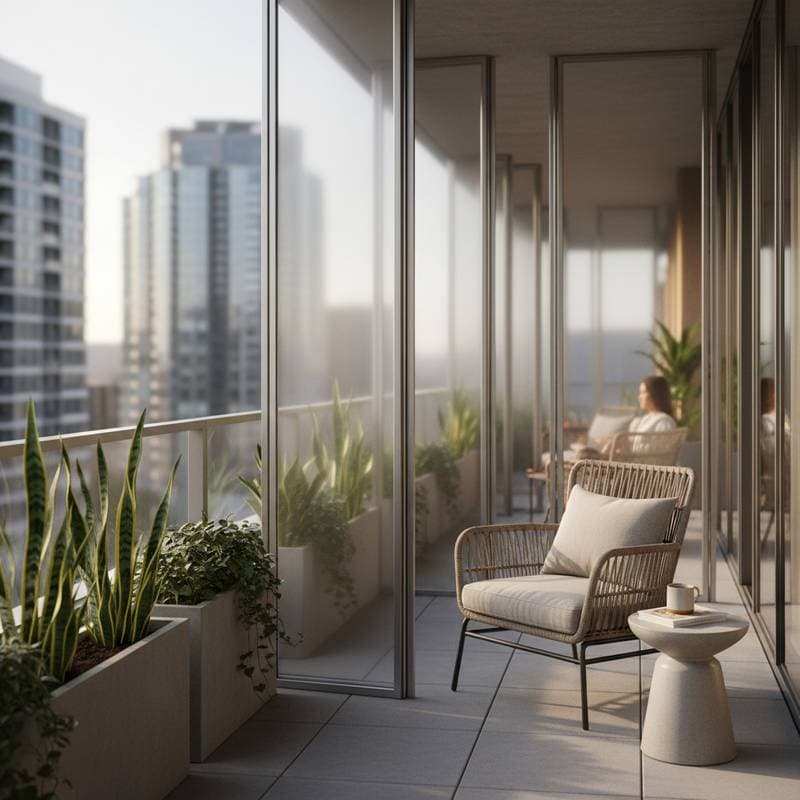
Selecting the Right Materials
Powder coated aluminum offers strength without excess weight and resists corrosion in city environments. Bamboo composites provide a warm appearance but require seasonal sealing to maintain integrity. Outdoor fabric mesh works well for renters because it rolls away quickly. Polycarbonate sheets diffuse sunlight evenly while blocking ultraviolet damage.
Choose finishes based on your exposure to wind, rain, and direct sun. Test samples against your balcony railing to confirm color and texture match existing surfaces.
Preparing for Installation
Measure the exact width and height of the area you want to screen. Note any uneven floor surfaces or railings that may affect panel alignment. Gather tools including a level, drill, and appropriate anchors rated for outdoor use.
Clear the workspace of furniture and debris. Verify that local building codes permit the chosen height and attachment method before proceeding.
Mounting the Frame
Secure the top track or hinge posts first. Use a level to confirm the frame sits plumb. Attach the base plate only after the upper supports are stable.
Hanging or Inserting Panels
Slide or hinge each panel into place following the manufacturer order. Check that panels open smoothly and do not rub on the floor. Adjust hinge tension if panels swing too freely.
Testing Folding and Locking
Fold the divider back and forth several times. Lock it in the folded position to confirm the latch holds securely. Practice partial folding to see how much coverage you prefer during different times of day.
Finishing and Decorating
Add a weather strip or small brush seal under the panels to block drafts. For a softer look, hang outdoor string lights or a vertical planter on one side. Use clips rated for outdoor weight to avoid damaging the frame.
Troubleshooting Common Issues
Panels Feel Wobbly or Tilt
Check hinge alignment and tighten screws evenly. If the base flexes, add a cross brace or support bar.
Fabric Screen Sags
Re tension the roller by adjusting the spring mechanism. If the fabric has stretched, replace only that panel instead of the entire set.
Divider Catches in Wind
Add small floor guides or a stabilizing strap. For frequent high wind, choose louvered or perforated panels that let air pass through.
Water Pooling at Base
Drill small drainage holes or place rubber shims under the base. Standing water can rust hardware or stain tiles.
Budget and Time Expectations
Entry level fabric or PVC fold screens cost about 100 to 250 dollars for a six foot section. Midrange aluminum or bamboo panels range from 300 to 600 dollars for the same size. Custom retractable systems start at 700 dollars and can reach 1200 dollars per eight foot span.
Do it yourself installation usually takes two to four hours for basic panels or up to a full day for retractable types. Hiring a professional adds cost but ensures proper anchoring.
If you rent, look for removable base systems that use weighted planters instead of bolts. They cost a bit more but prevent deposit deductions later.
Situations That Require a Professional
Contact a professional when you must drill into a structural surface such as a concrete slab or metal beam. Dividers that exceed eight feet in width or height often need custom bracing. Integrated lighting or motorized retractable screens also benefit from expert installation.
Ask about load ratings, wind resistance, and warranty coverage. A licensed installer can confirm that your divider meets local building codes for balcony safety.
Daily Use Practices
Fold panels halfway to let in morning light without full exposure. Use dividers to section a small table area for reading or work. Clip a lightweight curtain to the inside frame for extra shade. Keep folding space clear of furniture so panels move freely.
Planning Your Project
Measure your space and note where you need privacy most. Choose a divider style that fits your layout and weather conditions. Set aside a weekend to install or upgrade your panels and test folding positions.
Smart fold away dividers turn even the smallest balcony into a calm outdoor retreat. With thoughtful setup and regular care, you can enjoy quiet mornings, private evenings, and flexible space every day while preserving the open air that makes balcony living special.