Loading...

Herb Railings: Maximize Space on Urban Decks | urbanoutdoorsnyc.com | Urban Outdoors - Small-Space Gardens, Rooftop Decks, Balconies, Decks, Backyard Design
Skip to main content
Urban Outdoors
Search
Home
  1. Home
  2. /
  3. Deck Construction & Remodeling
  4. /
  5. Herb Railings Free Up Floor Space on Urban Decks
Deck Construction & Remodeling

Herb Railings Free Up Floor Space on Urban Decks

bySheila Spaulding
2025-10-26 03:29:43October 26, 2025
7 min read
Featured image for Herb Railings Free Up Floor Space on Urban Decks

Categories

Navigation

  • Home
  • All Articles
  • About Us
  • Privacy Policy
  • Terms of Service

© 2026 Urban Outdoors. Crafted for bold city dwellers.

2025-10-26 03:29:43
Urban Outdoors - Small-Space Gardens, Rooftop Decks, Balconies, Decks, Backyard Design

Herb Railings: A Fresh Approach to Urban Deck Design

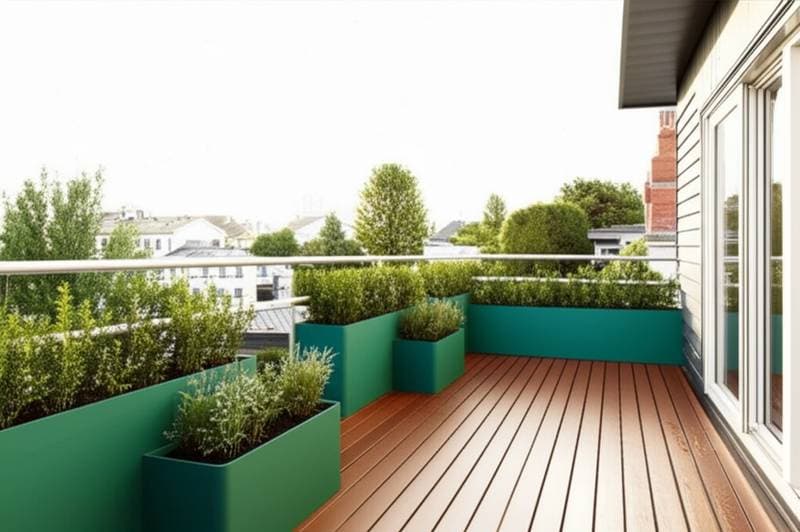
Compact decks in city environments often appear stark or confined amid surrounding concrete. Residents seek ways to incorporate fresh air, vegetation, and ingredients for meals. Herb railings address these needs efficiently by transforming railing edges into productive, living boundaries stocked with edible plants. The result delivers visual appeal, aromatic interest, and practical value without encroaching on usable floor area.

This comprehensive guide outlines the process of designing, installing, and maintaining herb railings optimized for constrained urban settings. Readers gain insights into suitable containers, herbs tolerant of wind and variable light, and strategies for neat, secure upkeep.

Understanding Herb Railings

A herb railing consists of planters or a sequence of planters affixed to balcony or deck railings. These hold compact herbs that flourish in limited soil depth. The arrangement functions as a flavorful, colorful partition that tempers rigid outlines, draws beneficial insects, and positions fresh produce conveniently near indoor cooking areas.

Such features prove ideal for urban decks where horizontal space remains scarce. Vertical cultivation preserves the surface for furniture or storage solutions. Moreover, the vegetation mitigates urban noise and offers screening from adjacent residences.

Essential Tools and Materials

Begin with a modest installation of three to four planters or extend coverage along the entire railing. Assemble the following items prior to starting:

  • Railing-mountable planters or troughs, each approximately 24 inches in length
  • Brackets compatible with your railing's configuration
  • Container-specific potting soil for herbs, roughly one cubic foot for every two planters
  • Herb starts or seeds appropriate for your deck's light exposure
  • Watering device with a soft spray, such as a can or adjustable hose attachment
  • Edible-plant fertilizer in slow-release granules or diluted liquid
  • Power drill paired with corrosion-resistant screws for bracket fixation, if required
  • Protective gloves and eyewear for handling installation tasks

Procure these from local nurseries or home improvement outlets. Budget between 60 and 150 dollars for a complete setup, influenced by material durability and planter quantity.

Installation Steps

Step 1: Assess and Measure

Determine the railing's total length. Allocate a minimum of 6 inches between planters to promote airflow. Distribute them evenly for a symmetrical appearance. For wooden railings, identify robust sections for bracket attachment. Opt for clamp mechanisms on metal or glass to eliminate the need for holes.

Step 2: Select Appropriate Herbs

Match herbs to your site's light and exposure conditions. Full-sun orientations favor resilient options like basil, thyme, and oregano. Partial shade accommodates parsley, mint, and chives. Incorporate at least five types for diverse textures and fragrances. Isolate vigorous spreaders such as mint in dedicated planters.

Step 3: Attach the Planters

Follow manufacturer guidelines to position each bracket firmly. Secure connections without excessive force, which might damage plastic components or compromise wood integrity. Verify steadiness by applying moderate pressure. Prioritize safety, as unstable units pose risks of detachment and harm in high-traffic zones.

Step 4: Prepare and Plant

Fill containers with potting mix to within 1 inch of the top edge. Position seedlings no closer than 4 inches apart to allow root expansion. Firm the soil around bases without compacting excessively. Saturate until excess water emerges from bottom openings. Install drip trays beneath if overflow could affect areas below.

Step 5: Organize and Identify

Apply durable, weatherproof tags to denote each herb variety. Cluster species with comparable hydration requirements. For instance, basil and parsley thrive in consistently damp conditions, whereas rosemary endures drier soil. This grouping streamlines maintenance efforts and minimizes resource overuse.

Step 6: Establish Watering and Nutrition Routines

Monitor soil dampness daily during the initial week. In warm conditions, irrigation may occur twice daily. Established planters might require attention every two to three days. Apply fertilizer sparingly once a month. Excess nitrogen promotes foliage at the expense of robust taste.

Safety Considerations

  • Limit combined weight to under 20 pounds per linear foot to prevent structural strain.
  • Employ robust brackets exclusively; makeshift ties offer no reliable support.
  • Don protective gear during drilling or edge handling.
  • Position planters away from ignition sources including barbecues or heating elements.
  • Review building codes for shared properties to confirm compliance.

Conduct seasonal inspections to avert mishaps and safeguard the assembly.

Efficient Storage Solutions

Store a dedicated herb maintenance kit in a compact, weatherproof container on the deck. Stock it with pruning tools, nutrients, and replacement markers. A handheld mister proves useful for midday hydration. Clearly mark the storage to facilitate assistance from others during absences.

For constrained interiors, utilize under-railing hooks for tool suspension. Encase cutting implements in protective sheaths to ward off corrosion and accidental contact.

Common Issues and Resolutions

Wilting Foliage: Typically results from excessive moisture. Allow the top inch of soil to dry completely prior to rewatering.

Discoloration: Stems from inadequate drainage or nutrient deficits. Ensure perforations remain unobstructed and introduce a measured application of balanced feed.

Elongated Stems: Indicates insufficient illumination. Prune by one-third to stimulate denser development.

Infestations: Watch for aphids or whiteflies in moist environments. Hose off gently and apply organic soap solutions as necessary. Perform routine examinations to contain outbreaks.

Cost and Time Estimates

Assembling four planters demands approximately two hours for a solo effort, encompassing planning, securing, and planting. Expenses fluctuate with choices:

  • Basic plastic units: 10 to 15 dollars apiece
  • Durable metal or wooden variants: 25 to 40 dollars each
  • Advanced self-irrigating models: 45 to 60 dollars per unit

Additional outlays for substrate, starters, and amendments total 30 to 50 dollars. Initiate with a limited array and scale up gradually. Invest reliably in mounting hardware, as it bears the load.

Ongoing Care Practices

Evaluate soil hydration every few days. Harvest frequently to maintain bushy forms; most varieties respond well to biweekly trimming. Promptly discard faded material to deter fungal issues. Relocate sensitive specimens like basil indoors ahead of freezing temperatures. Robust perennials such as thyme and sage withstand outdoors if buffered from gusts.

Annually sanitize containers twice: empty, wash with dilute detergent, and eliminate deposits. Replenish with new medium each spring to support vitality. Promptly substitute any deteriorated fixtures.

Seasonal Care Guidelines

Spring: Initiate seedlings under cover and relocate post-frost risk. Provide modest feeding to spur establishment.

Summer: Irrigate at dawn to conserve water. Layer surface with mulch or gravel to retain humidity.

Fall: Gather and preserve yields for storage. Reduce hardy plants to 2 inches above soil.

Winter: Extract tender annuals, sanitize substrate, and invert units for storage. Inspect hardware for wear before spring reuse.

These routines sustain productivity across cycles.

Professional Assistance Indicators

Engage experts if railings exhibit instability, corrosion, or deterioration; secure an evaluation of weight tolerance beforehand. In communal structures, consult administrators regarding permissions. For illuminated displays, involve licensed electricians. Initial assessments, typically 100 to 150 dollars, preempt expensive fixes.

Essential Principles for Success

Herb railings infuse vitality into modest decks while preserving openness. They merge utility, aesthetics, and eco-friendliness. Thoughtful execution enhances meal preparation and environmental quality.

  • Prioritize herbs aligned with available light.
  • Adhere to weight restrictions rigorously.
  • Trim and collect yields routinely to foster vigor.
  • Renew growing medium annually for optimal health.

Consistent application of these practices ensures a flourishing installation.

Launch Your Deck Garden

Proceed with measurements and material gathering to initiate your project. Select durable components suited to urban rigors. Regular attention yields a rewarding, self-sustaining feature that enriches daily life.

You Might Also Like

Solar Drip Systems Keep Deck Gardens Watered Automatically

Glass Deck Floors That Skylight the Space Below

Mycelium Boards Replace Wood in Sustainable Decking

Cut Deck Noise with Acoustic Privacy Screens

Deck Benches That Turn Scraps Into Garden Soil

Tagged:

design,deck,living,edible,railings,living-railings,herb,herb-railings,edible-deck-design

Recent by Sheila Spaulding

Image for Solar Pavers Convert Steps and Sunlight Into Power

Solar Pavers Convert Steps and Sunlight Into Power

Feb 2, 2026
Image for Grow 30 Plants in 2 Feet Using Nutrient Mist

Grow 30 Plants in 2 Feet Using Nutrient Mist

Feb 1, 2026
Image for Mycelium Boards Replace Wood in Sustainable Decking

Mycelium Boards Replace Wood in Sustainable Decking

Feb 1, 2026
Image for Solar Pergolas Turn Small Patios Into Power Sources

Solar Pergolas Turn Small Patios Into Power Sources

Feb 1, 2026
Image for Stop Balcony Noise With Layers That Block and Absorb Sound

Stop Balcony Noise With Layers That Block and Absorb Sound

Jan 31, 2026

design

Image for Map Your Deck's Hot Spots Before You Zone

Map Your Deck's Hot Spots Before You Zone

Jan 19, 2026
Image for Shape Your Balcony Weather for Year-Round Comfort

Shape Your Balcony Weather for Year-Round Comfort

Jan 16, 2026
Image for Solar Pergolas Generate Power While Shading Your Deck

Deck Construction & Remodeling

Solar Drip Systems Keep Deck Gardens Watered Automatically

Elevate your deck gardening with solar-powered drip irrigation for precise, hands-free watering. This guide covers final setup steps, safety measures, common fixes, cost breakdowns, and year-round care to foster healthy plants with minimal intervention.

Feb 2, 2026

Solar Pavers Convert Steps and Sunlight Into Power

Elevate your outdoor paths with solar pavers that generate electricity from sunlight and movement. This comprehensive resource outlines functionality, step-by-step setup, budgeting, troubleshooting, and ways to apply the power for lighting or devices—all while promoting green living.

Feb 2, 2026

Glass Deck Floors That Skylight the Space Below

Elevate your deck design with glass floor panels that function as skylights, flooding lower areas with natural light while delivering a sleek, contemporary look. This resource provides in-depth coverage of benefits, essential materials, step-by-step installation, safety protocols, maintenance routines, and guidance on when to hire experts—all to optimize your outdoor environment for light, style, and longevity.

Categories

Deck Construction & Remodeling(158)
Balcony Design(146)
Small-Space Gardens(63)
Rooftop Decks(50)
Backyard Design(18)

Solar Pergolas Generate Power While Shading Your Deck

Jan 15, 2026
Image for Shaping Your Balcony's Mini Weather System

Shaping Your Balcony's Mini Weather System

Jan 14, 2026
Image for Wind Railings Turn City Gusts Into Deck Power

Wind Railings Turn City Gusts Into Deck Power

Jan 11, 2026
Feb 2, 2026

Mycelium Boards Replace Wood in Sustainable Decking

Mycelium decking redefines sustainable outdoor design with boards cultivated from fungal roots and agricultural waste. These lightweight, compostable planks match wood's strength while minimizing environmental impact. This guide covers planning, installation, and care for a resilient, green yard addition.

Feb 1, 2026

Cut Deck Noise with Acoustic Privacy Screens

Turn urban deck noise into peaceful quiet with acoustic privacy screens. Explore sound-blocking options, step-by-step installation, upkeep advice, and cost-effective choices for a more enjoyable outdoor space throughout the year.

Feb 1, 2026

Deck Benches That Turn Scraps Into Garden Soil

Convert your deck into an eco-friendly oasis with a composting bench that serves as both comfortable seating and efficient soil producer. This comprehensive guide details construction steps, material needs, troubleshooting, and seasonal care to minimize waste and maximize garden yields.

Jan 31, 2026

Permeable Pavers Stop Flooding and Raise Property Value

Permeable pavers convert waterlogged areas into resilient, environmentally friendly surfaces. Water infiltrates through paver joints and stone bases, minimizing runoff, safeguarding structures, and elevating aesthetic appeal. This comprehensive guide details installation processes, upkeep routines, and financial considerations to demonstrate how these pavers promote sustainability, property enhancement, and enduring outdoor usability.

Jan 29, 2026

Turn Your Deck into a Clean Energy Generator

Elevate your deck into a sustainable solar energy source with integrated pavers that merge aesthetics and efficiency. This guide covers sunlight evaluation, circuit planning, durable tile installation, performance upkeep, expense details, safety protocols, and professional consultation needs to create a self-powered outdoor retreat.

Jan 29, 2026

Solar Pavers Turn Sunlight Into Outdoor Power

Elevate your outdoor areas with solar pavers, robust tiles that capture sunlight to generate power for lighting, charging stations, and appliances. This guide covers their functionality, required materials, and detailed installation instructions to build an efficient, wire-free environment that blends practicality with aesthetic appeal.

Jan 28, 2026

Mycelium Decks Replace Wood With Living Fungi Material

Mycelium, the intricate root system of fungi, emerges as a groundbreaking material for decking. This renewable and biodegradable option provides the durability of wood with a fraction of the environmental impact. Readers will gain insights into installation, maintenance, and benefits to create an outdoor haven that aligns with sustainable living principles.

Jan 27, 2026

Deck Pods Turn Open Decks into Year-Round Rooms

Convert your deck into a protected, inviting extension of your home using modular deck pods. This comprehensive guide covers planning, assembly, and upkeep for these adaptable structures, including required tools, safety protocols, and enhancements to achieve a durable, stylish outdoor space that provides year-round utility.

Jan 26, 2026

Solar Shade Sails Generate Power While Cooling Your Deck

Elevate your deck with solar shade sails that offer respite from the sun while harnessing solar power for everyday use. These versatile structures blend comfort with eco-friendly energy generation. Explore practical steps for installation, upkeep, and optimization to create an inviting, self-sustaining outdoor haven.

Jan 26, 2026

Cool Your Deck 15° with Solar Shade Sails

Counter summer deck heat with solar shade sails capable of reducing temperatures by up to 15 degrees. These tensioned fabric panels effectively block UV rays, improve airflow, and install in just one day. Gain insights into required tools, essential safety measures, and maintenance strategies for extended outdoor enjoyment.

Jan 25, 2026

Why Permeable Decks Stay 20 Degrees Cooler

Permeable decks address intense summer heat by facilitating airflow and water passage, which dissipates trapped warmth and maintains surfaces up to 20 degrees cooler. Incorporating light-colored materials, strategic gaps, and evaporative cooling, these decks foster inviting, sustainable outdoor areas that require low maintenance and provide enduring relief from hot surfaces.

Jan 25, 2026

Solar Pergolas Cut City Heat While Powering Your Deck

Elevate your compact urban deck with a solar pergola that delivers shade, produces renewable energy, and enhances sustainability. This comprehensive guide includes planning strategies, material choices, step-by-step installation, safety protocols, and upkeep tips to achieve a cooler, cost-effective outdoor area while increasing home value on a practical budget.

Jan 24, 2026

Fungal Fibers That Replace Wood Decks and Compost Clean

Mycelium decks redefine urban outdoor spaces through sustainable, compostable panels derived from fungal networks. These lightweight, durable alternatives to wood or plastic utilize agricultural waste. Follow this guide to cultivate, process, install, and maintain them for environmentally conscious urban design.

Jan 24, 2026

Misting Systems Drop Deck Temps 20° Fast

Misting systems transform hot decks into inviting spaces by reducing temperatures up to 20 degrees. This guide details planning, installation, maintenance, and optimization strategies for safe, effective cooling throughout the season.

Jan 22, 2026

UV Shade Sails Drop Deck Temps 20 Degrees

Combat summer heat and safeguard your deck using UV shade sails. This comprehensive guide details selection, installation, and upkeep strategies that reduce surface temperatures, avert color fading, and prolong deck longevity. Explore required tools, safety measures, common issues, and professional insights to create a fashionable, protected outdoor haven.

Jan 22, 2026

Shade Sails That Follow the Sun All Day Long

Automatic sun-tracking shade sails adjust their position to follow the sun, providing consistent shade and comfort on decks and patios. This comprehensive guide explains the technology, step-by-step installation, essential safety measures, ongoing maintenance, associated costs, and strategies to maximize durability and efficiency in your outdoor environment.

Jan 21, 2026

AI Cameras That Water Plants and Deter Deck Pests

Elevate your urban deck into an automated oasis with AI cameras that identify pests, optimize irrigation, and reduce upkeep. These intelligent systems leverage computer vision to safeguard plants, promote efficient water use, and deliver seamless outdoor enjoyment via straightforward installation and reliable performance.

Jan 21, 2026