
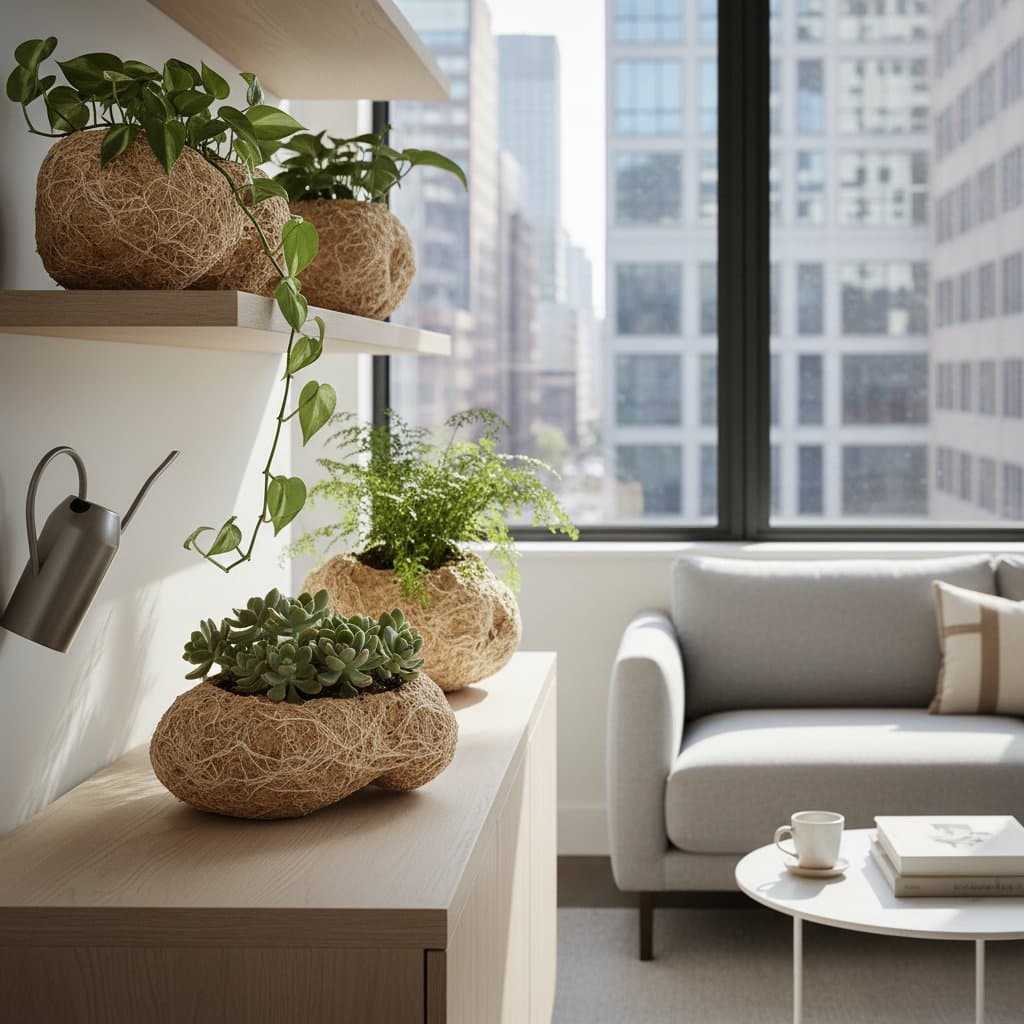
Living Mycelium Planters Transform Small-Space Gardens
City gardening often comes down to inches. You want greenery, but every shelf, ledge, and railing already does double duty. A living mycelium planter can help. It grows from mushroom roots, holds its shape like a traditional pot, and breaks down naturally when composted. The result is a container that fits small-space gardening and supports sustainable habits.
These planters are part of a shift toward biodegradable containers that limit plastic waste and help plants thrive. They are light, porous, and easy to handle. Once you understand how they work and how to care for them, they can become a key part of your balcony, window box, or indoor garden.
Overview
Mycelium is the root network of fungi. When combined with agricultural byproducts such as corn husks or sawdust, it grows into a solid shape within a mold. The finished planter is firm and slightly textured, similar to cork. It holds moisture evenly and allows air to reach plant roots.
In small gardens, this balance is valuable. Plastic or ceramic pots can trap water or overheat. Mycelium planters breathe, which reduces root rot and helps seedlings establish faster. They also weigh less than most containers, making them safe for shelves or narrow sills.
Tools and Materials
You need only a few items to start:
- Living mycelium planter in your preferred size
- Potting mix, roughly 2 quarts for a 6-inch container
- Seeds or small plants suited to indoor or balcony conditions
- Tray or saucer to catch water
- Watering can with a narrow spout
Keep a small brush or cloth for cleaning surfaces. Avoid harsh cleaners, which can damage the planter natural finish.
Steps
- Inspect the planter. Check for cracks or soft areas. A firm feel means it is ready for use.
- Add soil. Fill three-quarters of the container with potting mix. Tap gently to remove air pockets.
- Position the plant. Set the root ball near the center and fill around it until the soil sits one inch below the rim.
- Water lightly. Pour about half a cup of water for a 6-inch planter. Stop when moisture appears at the base.
- Place on a tray. Protect surfaces from seepage since the container is porous.
- Check weekly. The planter will slowly change color as it ages. This is normal and shows microbial activity.
Safety Tips
Keep mycelium planters indoors or under cover during heavy rain. They can soften if submerged for long periods. Handle gently when wet. Use gloves when moving mature planters containing soil and roots to avoid breakage.
Troubleshooting
If the planter develops a white fuzz, it is harmless mycelium growth. Brush it off with a dry cloth. If the wall feels spongy, let the container dry for 24 hours before watering again. Replace any planter that loses structure, then compost it fully.
Budget and Time
Expect to spend between 10 and 25 dollars depending on size. A set of three small planters usually fits under 60 dollars. Setup takes about 20 minutes per container. Costs stay low since no extra liners or sealants are needed.
Maintenance
Mist the soil, not the planter walls. Rotate containers every two weeks for even light. When the planter begins to soften near the base, transfer the plant to a new one and compost the old container. Mycelium breaks down within two to three months in active compost.
Getting Started
Start with two planters and a mix of herbs or succulents. Track how well each plant responds to the breathable walls. As you replace older containers, compost them to enrich new soil. Over time, your small garden will cycle naturally, with less plastic, less waste, and more life in every inch.