Loading...

Map Deck Hot Spots for Optimal Zoning | Urban Outdoor Design Tips | Urban Outdoors - Small-Space Gardens, Rooftop Decks, Balconies, Decks, Backyard Design
Skip to main content
Urban Outdoors
Search
Home
  1. Home
  2. /
  3. Deck Construction & Remodeling
  4. /
  5. Map Your Deck's Hot Spots Before You Zone
Deck Construction & Remodeling

Map Your Deck's Hot Spots Before You Zone

bySheila Spaulding
2026-01-19 04:23:25January 19, 2026
7 min read
Featured image for Map Your Deck's Hot Spots Before You Zone

Categories

Navigation

  • Home
  • All Articles
  • About Us
  • Privacy Policy
  • Terms of Service

© 2026 Urban Outdoors. Crafted for bold city dwellers.

2026-01-20 03:51:29
Urban Outdoors - Small-Space Gardens, Rooftop Decks, Balconies, Decks, Backyard Design

Introduction to Microclimate Mapping for Decks

Urban decks face unique challenges from shifting sunlight, breezy exposures, and temperature fluctuations. Microclimate apps provide precise data to identify these patterns, allowing homeowners to create functional zones that enhance comfort and usability. This guide outlines a step-by-step process to map hot spots and zone your deck effectively, ensuring year-round enjoyment.

Before beginning, select a reliable microclimate app such as Sun Seeker or Climate Consultant. These tools use your smartphone's GPS and sensors to track sun paths, wind directions, and temperature variations over time. Download the app, input your deck's location and dimensions, and generate a baseline map. Print this map at a scale of 1:50 for easy marking during the process.

1. Capture Baseline Data

Position your phone at multiple points on the deck over several hours. Record readings at peak times: morning (8-10 AM), midday (12-2 PM), and afternoon (4-6 PM). Focus on direct sunlight hours, average wind speeds above 5 mph, and temperature differences greater than 3 degrees Fahrenheit. This data forms the foundation for identifying zones that support specific activities without discomfort.

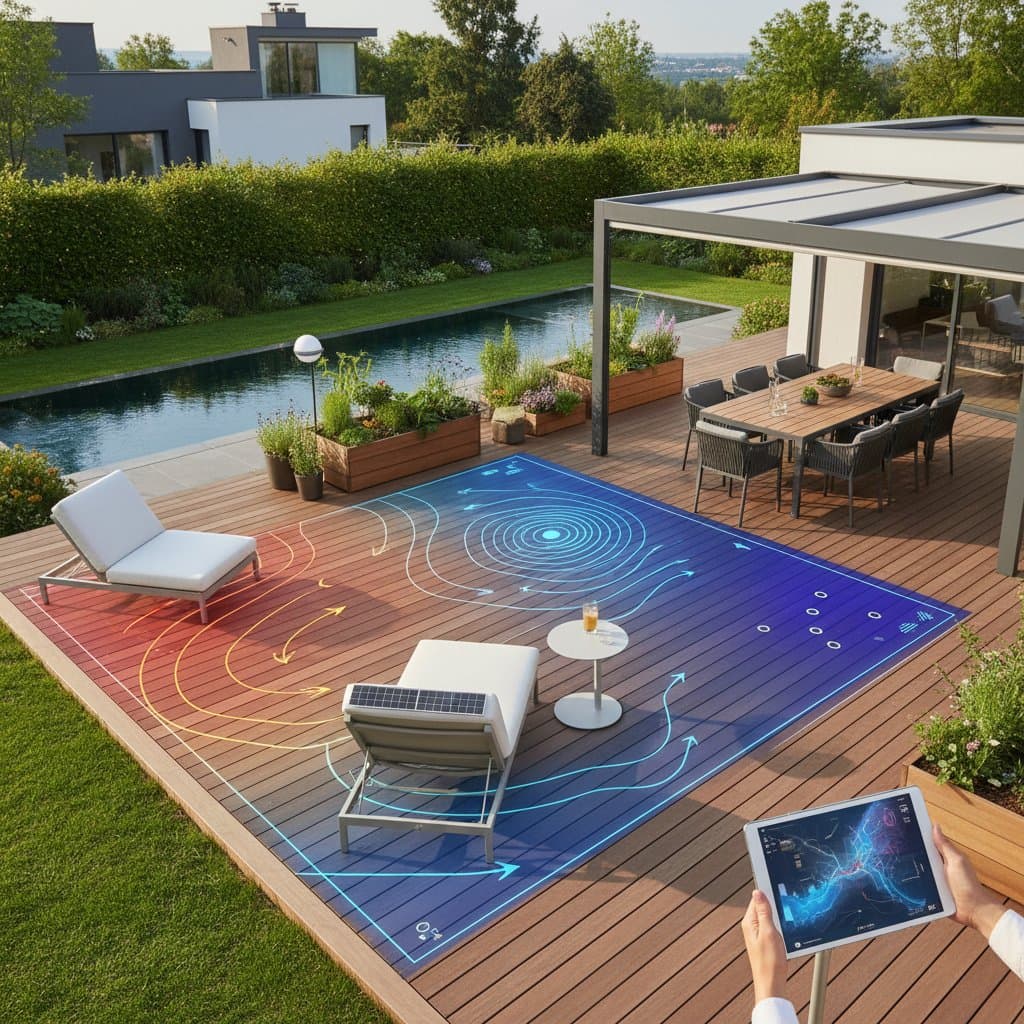
Compile the readings into a color-coded overlay on your printed plan. Red areas indicate high heat and sun exposure, blue for cooler shaded spots, and green for moderate conditions with steady breezes. Cross-reference with historical weather data from the app to account for seasonal averages.

2. Identify Hot, Cool, and Windy Spots

Examine the app's output for color variations or gradients across the deck surface. Even a five-degree temperature difference alters perceived comfort significantly, influencing choices for seating or plant placement. Transfer these markings directly onto your printed plan using colored pencils for clarity.

Allocate shade-loving plants and cushioned seating to cooler, sheltered areas where temperatures stay below 75 degrees Fahrenheit. Reserve warmer, breezier sections, with winds up to 10 mph, for cooking stations or quick-drying planters that benefit from natural ventilation. This targeted approach prevents overheating during summer afternoons and chills in early spring mornings.

3. Group by Function

Identify three to four primary activities for your deck to guide zoning decisions. Common options include relaxing with a book, dining and grilling meals, maintaining container gardens, or setting up storage near a potting bench. Evaluate each activity's ideal conditions: low wind for reading, moderate heat for grilling, and consistent moisture for gardening.

Assign functions to matching zones based on the mapped data. For instance, place the grilling area in a sunny, open spot to facilitate smoke dispersal, while positioning the reading nook in a wind-protected corner. Maintain at least three feet of clear pathway between zones to ensure safe movement and prevent overcrowding.

4. Adjust Boundaries with Shade and Screens

Assess initial zoning for potential issues like excessive heat or drafts. Rather than relocating entire areas, introduce shading elements or screens to refine conditions. Options include retractable canopies for adjustable coverage, wooden trellises with climbing vines for natural diffusion, or clusters of tall planters that block wind without obstructing views.

Position screens at least twelve inches from railings to promote airflow and comply with building codes. Test adjustments by observing shadow patterns at different times of day. These modifications allow zones to adapt dynamically, extending usability from dawn to dusk.

5. Test and Record

Dedicate a full day to experiencing the deck under the proposed zoning. Engage in each activity for at least 30 minutes, noting sensations of warmth, breeze, or glare. Compare personal observations against app data to validate patterns, such as a persistent cold draft aligning with a shaded northwest corner.

Document findings in a simple journal, including photos and timestamps. Implement minor tweaks, like repositioning furniture by one foot, to optimize flow. Repeat testing after one week to confirm improvements in overall comfort and efficiency.

Troubleshooting Common Issues

Problem: App data appears inconsistent or difficult to interpret.
Solution: Perform recalibration by collecting a new set of readings at identical times on the following day. Ensure the phone remains at least two feet from metal surfaces or reflective glass, which can distort sensor accuracy. Consult the app's tutorial for advanced filtering options to isolate variables like cloud cover.

Problem: A zone performs well in spring but becomes uncomfortable by midsummer.
Solution: Account for changing sun angles throughout the year. Review the app's sun path projections and introduce flexible shade solutions, such as portable umbrellas or retractable roll-down screens. These elements provide quick adjustments without permanent alterations to the layout.

Problem: Plants show signs of wilting despite placement in a designated mild zone.
Solution: Investigate secondary factors like heat reflection from nearby walls or paved surfaces. A mere three-degree increase can stress root systems. Mitigate this by applying organic mulch to soil beds and selecting light-colored pots that absorb less radiant heat.

Problem: Outdoor furniture experiences uneven fading across surfaces.
Solution: Higher UV exposure likely affects one side more intensely. Apply a specialized UV-protective sealant annually and rotate cushions or reposition items monthly to distribute wear evenly. Choose fabrics rated for at least 500 hours of UV resistance for longevity.

Ongoing Maintenance Practices

Reevaluate your microclimate map at the start of each season, as environmental factors evolve. Emerging tree foliage, new neighbor installations like fences, or altered building reflections can shift shade and wind dynamics. Update zone assignments promptly upon detecting changes, such as extended shadows from autumn sunsets.

Maintain equipment reliability by cleaning app-linked sensors and phone lenses monthly with a soft cloth. Replace batteries in standalone sensors every three months to avoid data gaps. Secure portable shade structures indoors before storms to prevent damage and ensure readiness for the next use.

Prevent accuracy issues by sweeping debris from deck joints weekly. Accumulated leaves or dirt can retain moisture, skewing humidity and temperature readings. Keep the deck surface dry through regular inspections to safeguard wood or composite materials from premature wear.

Seasonal Adjustment Guide

Spring: Conduct fresh app readings immediately after the final frost date. Verify shifts in sun exposure before transplanting or arranging plants, focusing on extended daylight hours that warm southern edges.

Summer: Track cumulative heat buildup closely. Relocate cushions, rugs, and sensitive electronics to shaded storage during midday peaks to avoid degradation from intense radiation.

Autumn: Shift container plants inward from exposed perimeters to buffered zones as winds intensify. Taper watering frequency in response to rising ambient humidity levels that reduce evaporation rates.

Winter: Remove snow and accumulated debris without delay. Lingering moisture not only falsifies readings but also accelerates finish deterioration on railings and flooring.

Throughout the year, log at least two observed pattern changes per season. These insights build a predictive record, refining future zoning for enhanced predictability and comfort.

Engaging Professional Expertise

Address complex concerns like poor drainage, visible structural cracks, or electrical fixtures adjacent to water elements by consulting a licensed contractor prior to any reconfiguration. Professionals install essential features such as ventilation gaps, waterproof barriers, and lighting that adheres to safety regulations.

For expansive decks or elevated rooftop designs, collaborate with a landscape architect to integrate microclimate insights with structural demands. Discuss selections for durable materials, efficient stormwater management, and sustainable maintenance routines before finalizing designs. This ensures the layout withstands urban stresses while maximizing functionality.

Implementing Your Deck Vision

Initiate the process modestly by selecting a single deck corner for initial mapping. Observe light transitions over a two-hour period using the app, then experiment with relocating one piece of furniture or a potted plant. This hands-on trial reveals the tangible impact of microclimate awareness on daily use.

Progressive refinements transform your deck into an efficient, inviting extension of your home. Enhanced comfort reduces energy needs for heating or cooling adjacent spaces, while durable materials and healthy plants lower long-term costs. Ultimately, this data-informed approach fosters a deeper understanding of how your outdoor area harmonizes with natural surroundings.

You Might Also Like

Solar Drip Systems Keep Deck Gardens Watered Automatically

Glass Deck Floors That Skylight the Space Below

Mycelium Boards Replace Wood in Sustainable Decking

Cut Deck Noise with Acoustic Privacy Screens

Deck Benches That Turn Scraps Into Garden Soil

Tagged:

design,garden,zoning,planning,deck,smart,microclimate,deck-zoning,microclimate-design,smart-garden-planning

Recent by Sheila Spaulding

Image for Solar Pavers Convert Steps and Sunlight Into Power

Solar Pavers Convert Steps and Sunlight Into Power

Feb 2, 2026
Image for Grow 30 Plants in 2 Feet Using Nutrient Mist

Grow 30 Plants in 2 Feet Using Nutrient Mist

Feb 1, 2026
Image for Mycelium Boards Replace Wood in Sustainable Decking

Mycelium Boards Replace Wood in Sustainable Decking

Feb 1, 2026
Image for Solar Pergolas Turn Small Patios Into Power Sources

Solar Pergolas Turn Small Patios Into Power Sources

Feb 1, 2026
Image for Stop Balcony Noise With Layers That Block and Absorb Sound

Stop Balcony Noise With Layers That Block and Absorb Sound

Jan 31, 2026

design

Image for Shape Your Balcony Weather for Year-Round Comfort

Shape Your Balcony Weather for Year-Round Comfort

Jan 16, 2026
Image for Solar Pergolas Generate Power While Shading Your Deck

Solar Pergolas Generate Power While Shading Your Deck

Jan 15, 2026
Image for Shaping Your Balcony's Mini Weather System

Deck Construction & Remodeling

Solar Drip Systems Keep Deck Gardens Watered Automatically

Elevate your deck gardening with solar-powered drip irrigation for precise, hands-free watering. This guide covers final setup steps, safety measures, common fixes, cost breakdowns, and year-round care to foster healthy plants with minimal intervention.

Feb 2, 2026

Solar Pavers Convert Steps and Sunlight Into Power

Elevate your outdoor paths with solar pavers that generate electricity from sunlight and movement. This comprehensive resource outlines functionality, step-by-step setup, budgeting, troubleshooting, and ways to apply the power for lighting or devices—all while promoting green living.

Feb 2, 2026

Glass Deck Floors That Skylight the Space Below

Elevate your deck design with glass floor panels that function as skylights, flooding lower areas with natural light while delivering a sleek, contemporary look. This resource provides in-depth coverage of benefits, essential materials, step-by-step installation, safety protocols, maintenance routines, and guidance on when to hire experts—all to optimize your outdoor environment for light, style, and longevity.

Categories

Deck Construction & Remodeling(158)
Balcony Design(146)
Small-Space Gardens(63)
Rooftop Decks(50)
Backyard Design(18)

Shaping Your Balcony's Mini Weather System

Jan 14, 2026
Image for Wind Railings Turn City Gusts Into Deck Power

Wind Railings Turn City Gusts Into Deck Power

Jan 11, 2026
Image for Night-Blooming Plants Turn Small Balconies Into Moonlit Gardens

Night-Blooming Plants Turn Small Balconies Into Moonlit Gardens

Dec 29, 2025
Feb 2, 2026

Mycelium Boards Replace Wood in Sustainable Decking

Mycelium decking redefines sustainable outdoor design with boards cultivated from fungal roots and agricultural waste. These lightweight, compostable planks match wood's strength while minimizing environmental impact. This guide covers planning, installation, and care for a resilient, green yard addition.

Feb 1, 2026

Cut Deck Noise with Acoustic Privacy Screens

Turn urban deck noise into peaceful quiet with acoustic privacy screens. Explore sound-blocking options, step-by-step installation, upkeep advice, and cost-effective choices for a more enjoyable outdoor space throughout the year.

Feb 1, 2026

Deck Benches That Turn Scraps Into Garden Soil

Convert your deck into an eco-friendly oasis with a composting bench that serves as both comfortable seating and efficient soil producer. This comprehensive guide details construction steps, material needs, troubleshooting, and seasonal care to minimize waste and maximize garden yields.

Jan 31, 2026

Permeable Pavers Stop Flooding and Raise Property Value

Permeable pavers convert waterlogged areas into resilient, environmentally friendly surfaces. Water infiltrates through paver joints and stone bases, minimizing runoff, safeguarding structures, and elevating aesthetic appeal. This comprehensive guide details installation processes, upkeep routines, and financial considerations to demonstrate how these pavers promote sustainability, property enhancement, and enduring outdoor usability.

Jan 29, 2026

Turn Your Deck into a Clean Energy Generator

Elevate your deck into a sustainable solar energy source with integrated pavers that merge aesthetics and efficiency. This guide covers sunlight evaluation, circuit planning, durable tile installation, performance upkeep, expense details, safety protocols, and professional consultation needs to create a self-powered outdoor retreat.

Jan 29, 2026

Solar Pavers Turn Sunlight Into Outdoor Power

Elevate your outdoor areas with solar pavers, robust tiles that capture sunlight to generate power for lighting, charging stations, and appliances. This guide covers their functionality, required materials, and detailed installation instructions to build an efficient, wire-free environment that blends practicality with aesthetic appeal.

Jan 28, 2026

Mycelium Decks Replace Wood With Living Fungi Material

Mycelium, the intricate root system of fungi, emerges as a groundbreaking material for decking. This renewable and biodegradable option provides the durability of wood with a fraction of the environmental impact. Readers will gain insights into installation, maintenance, and benefits to create an outdoor haven that aligns with sustainable living principles.

Jan 27, 2026

Deck Pods Turn Open Decks into Year-Round Rooms

Convert your deck into a protected, inviting extension of your home using modular deck pods. This comprehensive guide covers planning, assembly, and upkeep for these adaptable structures, including required tools, safety protocols, and enhancements to achieve a durable, stylish outdoor space that provides year-round utility.

Jan 26, 2026

Solar Shade Sails Generate Power While Cooling Your Deck

Elevate your deck with solar shade sails that offer respite from the sun while harnessing solar power for everyday use. These versatile structures blend comfort with eco-friendly energy generation. Explore practical steps for installation, upkeep, and optimization to create an inviting, self-sustaining outdoor haven.

Jan 26, 2026

Cool Your Deck 15° with Solar Shade Sails

Counter summer deck heat with solar shade sails capable of reducing temperatures by up to 15 degrees. These tensioned fabric panels effectively block UV rays, improve airflow, and install in just one day. Gain insights into required tools, essential safety measures, and maintenance strategies for extended outdoor enjoyment.

Jan 25, 2026

Why Permeable Decks Stay 20 Degrees Cooler

Permeable decks address intense summer heat by facilitating airflow and water passage, which dissipates trapped warmth and maintains surfaces up to 20 degrees cooler. Incorporating light-colored materials, strategic gaps, and evaporative cooling, these decks foster inviting, sustainable outdoor areas that require low maintenance and provide enduring relief from hot surfaces.

Jan 25, 2026

Solar Pergolas Cut City Heat While Powering Your Deck

Elevate your compact urban deck with a solar pergola that delivers shade, produces renewable energy, and enhances sustainability. This comprehensive guide includes planning strategies, material choices, step-by-step installation, safety protocols, and upkeep tips to achieve a cooler, cost-effective outdoor area while increasing home value on a practical budget.

Jan 24, 2026

Fungal Fibers That Replace Wood Decks and Compost Clean

Mycelium decks redefine urban outdoor spaces through sustainable, compostable panels derived from fungal networks. These lightweight, durable alternatives to wood or plastic utilize agricultural waste. Follow this guide to cultivate, process, install, and maintain them for environmentally conscious urban design.

Jan 24, 2026

Misting Systems Drop Deck Temps 20° Fast

Misting systems transform hot decks into inviting spaces by reducing temperatures up to 20 degrees. This guide details planning, installation, maintenance, and optimization strategies for safe, effective cooling throughout the season.

Jan 22, 2026

UV Shade Sails Drop Deck Temps 20 Degrees

Combat summer heat and safeguard your deck using UV shade sails. This comprehensive guide details selection, installation, and upkeep strategies that reduce surface temperatures, avert color fading, and prolong deck longevity. Explore required tools, safety measures, common issues, and professional insights to create a fashionable, protected outdoor haven.

Jan 22, 2026

Shade Sails That Follow the Sun All Day Long

Automatic sun-tracking shade sails adjust their position to follow the sun, providing consistent shade and comfort on decks and patios. This comprehensive guide explains the technology, step-by-step installation, essential safety measures, ongoing maintenance, associated costs, and strategies to maximize durability and efficiency in your outdoor environment.

Jan 21, 2026

AI Cameras That Water Plants and Deter Deck Pests

Elevate your urban deck into an automated oasis with AI cameras that identify pests, optimize irrigation, and reduce upkeep. These intelligent systems leverage computer vision to safeguard plants, promote efficient water use, and deliver seamless outdoor enjoyment via straightforward installation and reliable performance.

Jan 21, 2026