Loading...

Micro-Misting Deck Cooling: 15°F Drop, No Puddles | UrbanOutdoorsNYC.com | Urban Outdoors - Small-Space Gardens, Rooftop Decks, Balconies, Decks, Backyard Design
Skip to main content
Urban Outdoors
Search
Home
  1. Home
  2. /
  3. Deck Construction & Remodeling
  4. /
  5. Micro-Misting Drops Deck Heat 15° Without Puddles
Deck Construction & Remodeling

Micro-Misting Drops Deck Heat 15° Without Puddles

bySheila Spaulding
2026-03-11 05:06:47March 11, 2026
7 min read
Featured image for Micro-Misting Drops Deck Heat 15° Without Puddles

Categories

Navigation

  • Home
  • All Articles
  • About Us
  • Privacy Policy
  • Terms of Service

© 2026 Urban Outdoors. Crafted for bold city dwellers.

2026-03-12 04:24:49
Urban Outdoors - Small-Space Gardens, Rooftop Decks, Balconies, Decks, Backyard Design

Understanding Micro-Misting for Deck Cooling

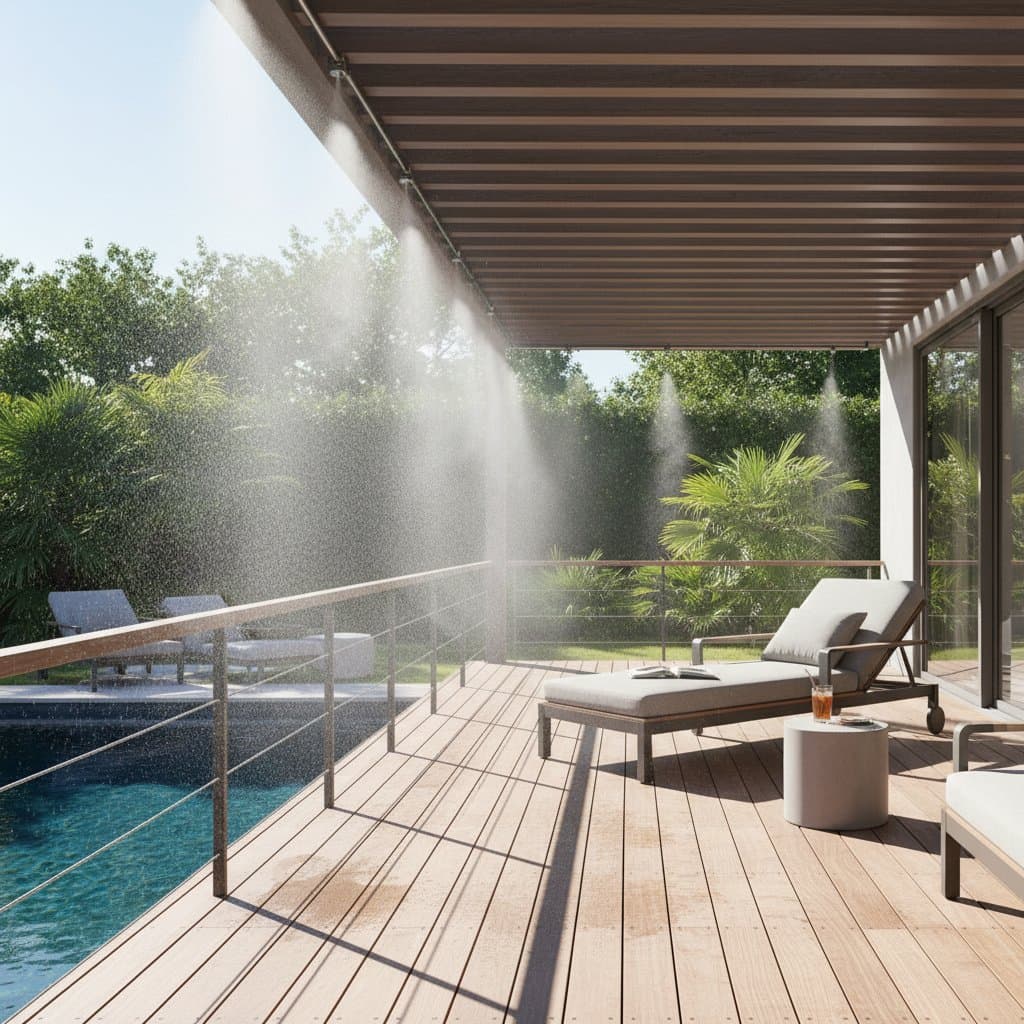
Decks often become uncomfortably hot during peak summer months, making outdoor gatherings challenging. Micro-misting addresses this issue by dispersing a fine spray of water that evaporates quickly, lowering the surrounding air temperature without creating puddles or excessive moisture. This method can reduce deck surface and air temperatures by approximately 15 degrees Fahrenheit, restoring usability to your outdoor space.

The process relies on evaporative cooling, where tiny water particles absorb heat from the air as they turn into vapor. Unlike traditional sprinklers, micro-misting uses high-pressure pumps to produce droplets small enough to evaporate almost instantly, ensuring dry surfaces and efficient water use. Homeowners in urban areas like New York City find this particularly valuable for small decks where space and water conservation matter.

How Micro-Misting Works in Practice

A basic micro-misting system consists of a pump that pressurizes water, tubing that distributes it, and nozzles that release the mist. When activated, the pump forces water through the lines at around 100 pounds per square inch, creating a cool fog that envelops the deck area. This setup not only cools the air but also slightly humidifies it, providing relief from dry heat without soaking furniture or flooring.

For optimal results, position nozzles strategically along railings or overhead structures to cover the entire deck evenly. Systems designed for residential use typically operate intermittently, using a timer to mist only when needed, which minimizes water consumption to about one gallon per 10 minutes of operation. This efficiency makes micro-misting a sustainable choice compared to air conditioning units that draw significant electricity.

Essential Tools and Materials

Assembling a micro-misting system requires straightforward components suited for a standard 12-by-16-foot deck. Select durable materials to ensure longevity, especially in humid or variable climates.

Materials List

  • One misting pump rated at approximately 100 psi to generate the necessary pressure for fine droplets.
  • 50 feet of 1/4-inch flexible polyethylene tubing, resistant to UV exposure and kinking.
  • 10 to 12 brass or stainless steel nozzles, spaced 4 to 6 feet apart for uniform coverage; opt for anti-drip models to prevent leaks.
  • One inline water filter to trap sediments and protect the pump from damage.
  • One automatic timer or smart plug for scheduling misting cycles.
  • A set of mounting clips or zip ties for securing tubing to deck structures.
  • Teflon tape and fittings for watertight connections.

Tools Required

  • Utility knife or specialized tubing cutter for clean cuts.
  • Power drill with bits sized for mounting clips.
  • Tape measure to plan nozzle placement.
  • Ladder or step stool for accessing higher areas.
  • Safety glasses and work gloves to protect during assembly.

Budget for these items totals $120 to $250. Investing in brass nozzles adds upfront cost but reduces clogging and extends system life beyond two seasons.

Step-by-Step Installation Guide

Installation typically takes half a day for an experienced DIYer, allowing time for testing. Begin by mapping your deck to determine tubing routes and nozzle positions that avoid direct paths to seating areas.

  1. Prepare the Location: Clear the deck of obstacles and identify a power source near a water supply, such as a garden hose bibb. Connect the pump to the water source using a standard adapter.

  2. Assemble the Pump and Filter: Attach the inline filter to the pump inlet. Secure all connections with Teflon tape to prevent drips. Plug the pump into a GFCI-protected outlet.

  3. Run and Secure Tubing: Cut tubing to length with the cutter, then route it along railings or under deck boards using clips. Avoid sharp bends that could restrict flow.

  4. Install Nozzles: Screw nozzles into the tubing ends at predetermined spots, ensuring they face downward or outward for even mist distribution. Flush the lines with water before final attachment to clear debris.

  5. Set Up Controls: Wire the timer to the pump, programming it for short bursts during hottest periods. Test the system by running it for five minutes, adjusting nozzle angles as needed for balanced coverage.

After setup, monitor for leaks and fine-tune pressure to achieve the finest mist possible, which maximizes cooling efficiency.

Prioritizing Safety During Setup and Use

Safety forms the foundation of any outdoor installation to protect users and property. Always use ground-fault circuit interrupter (GFCI) outlets for electrical components to mitigate shock risks in wet environments.

Wear protective eyewear when cutting materials or drilling into wood. Flush all tubing lines prior to nozzle installation to eliminate plastic fragments that could clog the system. Steer clear of mounting near high-voltage lines or gas appliances, and never direct mist toward electrical devices or ignition sources.

Regular inspections prevent hazards; check connections monthly for wear, especially after heavy rain. These precautions not only safeguard your family but also comply with basic electrical and plumbing standards for outdoor projects.

Budget Considerations and Time Investment

A well-planned micro-misting project remains affordable while delivering substantial comfort benefits. Allocate time wisely: four to six hours for core installation, plus one hour for adjustments and testing.

Cost Breakdown

  • Pump and filter assembly: $80 to $140, with variable-speed models offering better control.
  • Tubing, fittings, and clips: $40 to $70, favoring UV-resistant options for longevity.
  • Nozzles and accessories: $20 to $40; stainless steel variants resist corrosion better.
  • Timer or smart plug: $15 to $40, enabling app-based remote operation.

Operational costs stay low, with water usage at roughly one gallon per 10 minutes. For two hours of daily use, monthly expenses add just a few dollars to your utility bill. Factor in potential nozzle replacements; higher-quality units pay off by reducing maintenance frequency.

Maintenance and Seasonal Care

Proper upkeep ensures your micro-misting system performs reliably across seasons. Address winter storage promptly to avoid freeze damage, and prepare for summer activation with thorough checks.

Spring Startup

Reconnect water lines and inspect the pump for corrosion or loose wires. Test pressure by running the system briefly to expel air pockets and accumulated dust from storage.

Summer Optimization

Program timers to activate misting 15 minutes before outdoor activities, enhancing immediate cooling. Pair the system with shade elements like pergolas for amplified effects, potentially dropping temperatures another 5 degrees. Wipe down nearby surfaces if mist settles, though evaporation typically keeps areas dry.

Fall Shutdown

Disconnect power and water sources when temperatures approach freezing. Drain all lines, clean nozzles with a vinegar solution to remove mineral buildup, and store components in a dry area.

Following these routines minimizes repairs and preserves efficiency, often extending the system's lifespan to five years or more.

Knowing When Professional Assistance Is Needed

Most homeowners handle basic micro-misting installations independently, but certain scenarios warrant expert involvement. Engage a licensed plumber for connections to main household plumbing lines, which require backflow preventers to protect potable water supplies.

Seek professional help if your setup demands pressures exceeding 150 psi or involves routing lines through walls, under concrete, or into enclosed spaces. Experts also verify electrical grounding and install regulators for consistent performance. Such services cost $150 to $300 but avert costly issues like floods or shorts down the line.

Achieving Lasting Outdoor Comfort

Implement micro-misting to reclaim your deck from summer heat, fostering extended enjoyment of fresh air and gatherings. Start by measuring your space and sourcing reliable components, then follow the outlined steps for a secure installation. With minimal ongoing effort, this upgrade delivers energy-efficient cooling that enhances your home's livability season after season.

You Might Also Like

Smart Shade Sails Cut Rooftop Heat by 30 Degrees

Living Pergolas Cool Decks Through Natural Shade

Shape Deck Zones to Stay Comfortable All Year

Rooftop Decks Stay 40% Cooler with Shade Sails

Micro-Misting Drops Balcony Heat 20° in Seconds

Tagged:

cooling,climate,climate adaptation,deck,adaptation,systems,misting,deck-cooling,misting-systems

Recent by Sheila Spaulding

Image for Turn Your Balcony into a Pollinator Refuge

Turn Your Balcony into a Pollinator Refuge

Mar 19, 2026
Image for Shape Deck Zones to Stay Comfortable All Year

Shape Deck Zones to Stay Comfortable All Year

Mar 18, 2026
Image for Micro-Drip Systems Cut Balcony Watering by 70 Percent

Micro-Drip Systems Cut Balcony Watering by 70 Percent

Mar 17, 2026
Image for Native Plants Turn Balconies into Bee Havens

Native Plants Turn Balconies into Bee Havens

Mar 16, 2026
Image for Creating Deck Zones That Work in Every Season

Creating Deck Zones That Work in Every Season

Mar 15, 2026

Deck Construction & Remodeling

Living Pergolas Cool Decks Through Natural Shade

Transform your deck into a shaded, verdant escape using a living pergola. This comprehensive guide details material selection, structural assembly, irrigation setup, and vine choices that flourish. Explore techniques to enhance shade, optimize airflow, and cultivate a sustainable oasis that enhances comfort and beauty with each passing season.

Mar 18, 2026

Shape Deck Zones to Stay Comfortable All Year

Elevate your deck into a versatile outdoor haven by implementing microclimate zones. This approach involves assessing light patterns, wind flow, and thermal areas, then applying targeted elements like portable heaters, shade structures, and strategic plantings to ensure comfort across all seasons.

Mar 18, 2026

Cool Decks Stay 20 Degrees Cooler in Summer Heat

Turn urban decks from hot hazards into cool havens with heat-reflective materials. This guide covers composites, thermally modified woods, and strategies to maintain surfaces up to 20 degrees cooler, plus practical advice on design, budget, and care for year-round enjoyment.

Categories

Deck Construction & Remodeling(223)
Balcony Design(191)
Small-Space Gardens(82)
Rooftop Decks(81)
Backyard Design(21)
Mar 16, 2026

Micro-Misting Drops Deck Temperature 15 Degrees

Combat summer heat by installing a micro-misting system that reduces deck temperatures up to 15°F. This guide covers the cooling process, energy-efficient benefits, and adaptable designs for various outdoor areas. Find detailed installation instructions, troubleshooting advice, and seasonal maintenance to sustain a refreshing backyard environment.

Mar 16, 2026

Mycelium Decks Break Down Instead of Piling Up

Mycelium decks revolutionize urban outdoor areas with panels grown from fungal networks and agricultural byproducts. These lightweight, water-resistant, and fully biodegradable options provide a green alternative to traditional plastic composites. This guide covers installation, upkeep, budgeting, and strategies to maximize their lifespan while minimizing environmental impact.

Mar 15, 2026

Creating Deck Zones That Work in Every Season

Elevate your deck into a seasonal haven by developing microclimates that provide tailored comfort throughout the year. Explore strategies for zoning, shading, heating, and organizing with durable materials, strategic lighting, and efficient storage solutions. Achieve prolonged outdoor use while enhancing energy efficiency, visual appeal, and safety measures.

Mar 15, 2026

Glass Domes Keep Your Deck Open All Year

Elevate your deck into a versatile, all-season haven using glass domes or retractable pergolas. Gain insights into selecting materials, executing installations, and performing upkeep to maintain a bright, comfortable area for winter mornings or summer evenings alike.

Mar 14, 2026

Solar Pavers Store Sunlight and Charge Your Phone

Elevate your outdoor spaces with solar pavers that capture daylight to provide nighttime illumination and device charging capabilities. This comprehensive guide details their functionality, installation requirements, upkeep recommendations, expense considerations, and safety protocols to help you build an efficient, luminous environment that performs reliably throughout the year with little ongoing work.

Mar 14, 2026

Smart Apps Map Microclimates for Ideal Deck Builds

Smart apps uncover microclimate nuances in your yard, from sunlight exposure to wind flow and moisture levels. These tools guide material selection, layout planning, and design choices to create durable, comfortable decks. Transform local data into a strategic plan for your perfect outdoor area.

Mar 13, 2026

Pergola Pods Turn Decks Into Year-Round Retreats

Elevate your deck with a pergola pod, a versatile structure that provides shade, protection, and aesthetic appeal. This guide covers planning, construction, upkeep, and strategies to maximize seasonal use, ensuring comfort in any weather.

Mar 12, 2026

Solar Pergolas Cut Cooling Costs While Powering Your Deck

Elevate your deck with a solar pergola that offers shade and produces clean energy. This comprehensive guide details planning, material choices, installation steps, safety measures, troubleshooting, budgeting, and maintenance. Discover how to build a durable structure that cuts energy expenses and enhances outdoor comfort.

Mar 11, 2026

Micro-Misting Drops Deck Heat 15° Without Puddles

Micro-misting provides an effective solution to transform sweltering decks into comfortable retreats, reducing temperatures by up to 15 degrees through fine water droplets. This guide details the science behind the cooling, lists necessary tools and materials, outlines installation processes, addresses safety considerations, and offers maintenance advice for reliable performance throughout the season.

Mar 11, 2026

Mycelium Decks Grow Strength from Fungal Roots

Mycelium decks leverage fungal networks to create biodegradable, waste-derived outdoor flooring that enhances urban sustainability. This resource provides practical instructions for building resilient panels that integrate nature into city living, including material selection, assembly techniques, and long-term care strategies.

Mar 11, 2026

Micro-Clover Borders Cut Deck Upkeep in Half

Revitalize weary deck borders using resilient micro-clover, a self-sustaining ground cover that thrives with little intervention. This guide details installation, care essentials, and advantages like reduced mowing and enhanced aesthetics for compact urban spaces.

Mar 10, 2026

Set Up Drip Irrigation for Deck Containers

Elevate deck gardening with a micro-drip irrigation system that automates watering for consistent plant health. This guide covers planning, installation, and maintenance to save time, reduce water use, and ensure thriving containers in urban settings.

Mar 8, 2026

Soundproof Your Deck with Layers and Soft Surfaces

Convert a bustling urban deck into a serene haven through effective soundproofing techniques. This guide details sealing gaps, layering soft materials, installing acoustic panels, and integrating natural barriers like plants and curtains to foster a private, relaxing environment that balances style and acoustic control.

Mar 8, 2026

Solar Pergolas Cut Deck Heat While Powering Your Home

Elevate your deck with a solar pergola that offers shade from heat and produces renewable energy. This comprehensive guide details design options, material choices, step-by-step installation, safety measures, and upkeep strategies to boost comfort, cut costs, and promote eco-friendly living in your outdoor area.

Mar 7, 2026

Native Plants Transform Deck Edges Into Pollinator Havens

Convert a plain deck into a bustling pollinator sanctuary using native plant borders. This guide covers design principles, plant selection, planting techniques, and maintenance strategies to attract bees, butterflies, and birds with minimal effort. Explore practical advice, recommended species, and care essentials for a vibrant, eco-friendly outdoor space.

Mar 7, 2026

Acoustic Panels Cut Deck Noise by 30 to 50 Percent

Elevate a bustling deck to a tranquil sanctuary via outdoor acoustic panels. This resource covers selecting resilient materials, orchestrating installations, and upholding acoustic efficacy throughout the year. Acquire actionable guidance, cost-saving advice, and aesthetic concepts to neutralize city clamor, enhance seclusion, and foster relaxed, conducive outdoor interactions.

Mar 6, 2026

Solar Pergolas Blend Shade With Clean Energy Generation

Elevate your deck with a solar pergola that offers shade and generates clean energy. This comprehensive guide details design strategies, material choices, installation processes, safety measures, and ongoing maintenance to achieve a balance of comfort, eco-friendliness, and visual elegance for discerning homeowners eyeing 2026 upgrades.

Mar 6, 2026