Loading...

Pergola Pods: Transform Decks into Weatherproof Retreats | urbanoutdoorsnyc.com | Urban Outdoors - Small-Space Gardens, Rooftop Decks, Balconies, Decks, Backyard Design
Skip to main content
Urban Outdoors
Search
Home
  1. Home
  2. /
  3. Deck Construction & Remodeling
  4. /
  5. Pergola Pods Turn Decks into All-Weather Retreats
Deck Construction & Remodeling

Pergola Pods Turn Decks into All-Weather Retreats

bySheila Spaulding
2025-10-20 03:35:06October 20, 2025
7 min read
Featured image for Pergola Pods Turn Decks into All-Weather Retreats

Categories

Navigation

  • Home
  • All Articles
  • About Us
  • Privacy Policy
  • Terms of Service

© 2026 Urban Outdoors. Crafted for bold city dwellers.

2025-10-20 03:35:06
Urban Outdoors - Small-Space Gardens, Rooftop Decks, Balconies, Decks, Backyard Design

Pergola Pods: Transform Decks into Weatherproof Havens

Outdoor decks offer valuable space for relaxation, yet elements such as rain, intense sunlight, or gusty winds often limit their use. A pergola pod addresses these challenges by creating a sheltered extension that maintains visibility and airflow while providing essential protection. This structure integrates a sturdy frame with customizable roofing and panels, allowing enjoyment of the outdoors regardless of conditions. The following guide details planning, construction, and care to create a pergola pod suited to specific needs and environments.

Overview

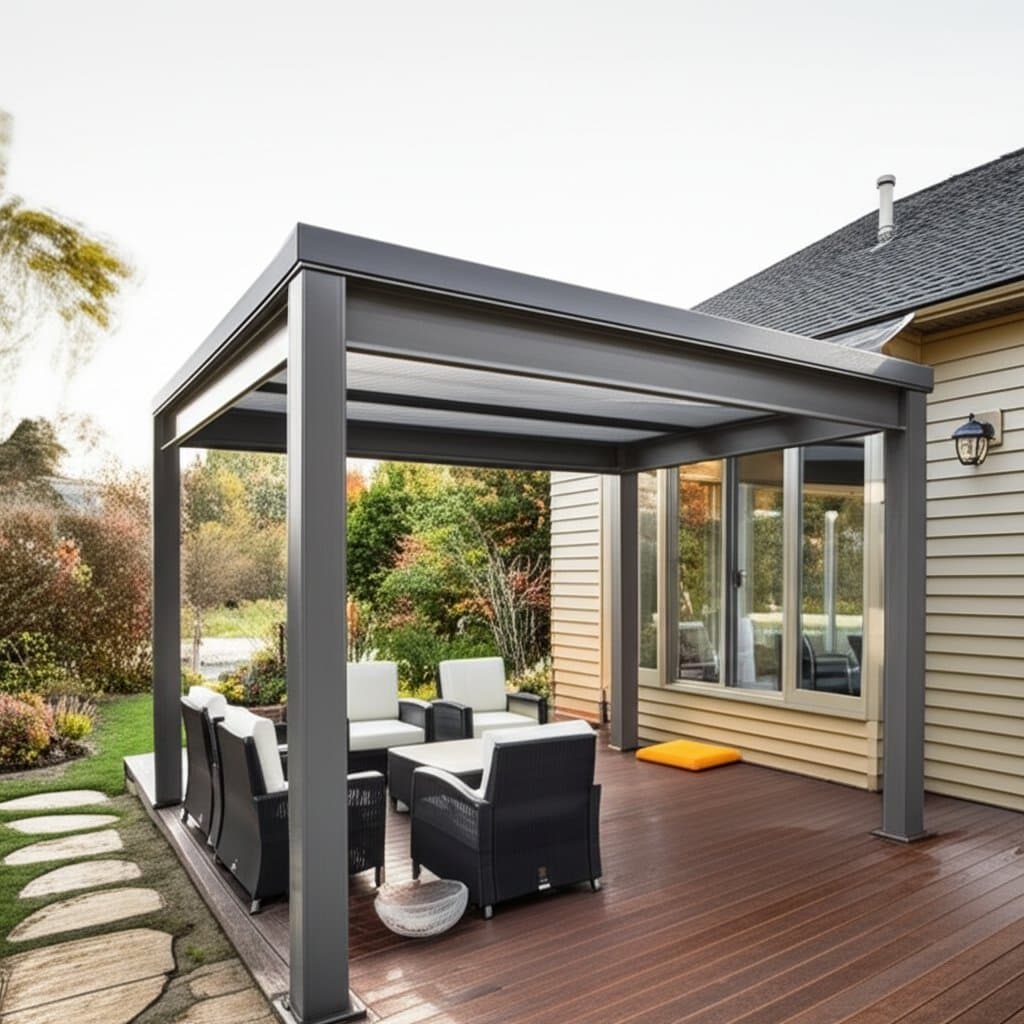
A pergola pod consists of a freestanding or attached framework that merges classic pergola elements with dynamic coverings like adjustable louvers, retractable fabrics, or transparent panels. These features deflect precipitation, mitigate solar heat, and permit natural illumination to filter through. Options range from motorized aluminum slats that adjust via remote control to durable polycarbonate sheets for fixed applications. Such versatility converts an exposed deck into a cohesive outdoor area that balances openness with seclusion.

Key advantages encompass:

  • Provision of shade and rain defense without compromising brightness
  • Enhanced thermal regulation ideal for meals or leisure activities
  • Clear demarcation of space that elevates overall deck aesthetics
  • Integration possibilities for illumination, ventilation fans, or supplemental heating to support continuous use

Tools and Materials

Individuals with fundamental woodworking experience and assistance from another person can assemble a pergola pod. Select components compatible with local weather patterns and the deck's foundational integrity.

Tools:

  • Measuring tape extending to 25 feet or more
  • Power drill equipped with appropriate bits
  • Socket wrench set for secure fastening
  • Level and framing square for precise alignment
  • Sturdy ladder suitable for exterior work
  • Protective eyewear and work gloves

Materials:

  • Complete pergola pod kit or individual aluminum frame sections
  • Corrosion-resistant anchoring brackets and bolts
  • Roofing assemblies, such as louver systems or panel kits
  • Optional screening or curtain elements for perimeter enclosure
  • Weatherproof sealant for joint applications
  • Preservative treatments or coatings for any wooden elements

Kits typically include pre-marked components and organized hardware. Verify the deck's capacity to bear the added load, particularly with heavier additions like glass enclosures or heating units.

Steps

1. Measure and Mark

Determine the deck's dimensions in length and width. Position the pod to maintain a minimum one-foot clearance on all sides, facilitating ventilation and maintenance access. Outline post locations using chalk lines or painter's tape. Ensure these placements avoid interference with doors, windows, or pathways.

2. Check the Deck Support

Locate the underlying joist layout beneath the deck surface. Secure each post directly to a joist or primary beam rather than superficial boards. Strengthen any vulnerable sections through additional blocking. Consult a professional carpenter to assess weight-bearing limits if uncertainties arise prior to any modifications.

3. Anchor the Posts

Position corner brackets and create pilot holes with care. Employ stainless steel bolts penetrating at least three inches into the structure. Secure connections uniformly to ensure vertical alignment. Even minor deviations of half an inch may affect roof stability, so verify plumbness with a level following each installation.

4. Add the Cross Beams

Connect lateral beams across posts using manufacturer-supplied fittings. Install pairs on opposing sides to establish a rectangular perimeter. Align joints precisely and employ a square to validate right angles at corners. Attach decorative caps at this stage if included in the kit for a polished appearance.

5. Install the Roof System

Adhere to the instructional sequence for louvered designs, beginning with the motor enclosure or crank mechanism before positioning individual slats. For stationary panels, ensure overlaps of two inches or greater to avert water ingress. Distribute a narrow layer of transparent sealant beneath each junction to enhance durability.

6. Add Sides or Screens

Perimeter additions prove valuable against insects or drafts. Magnetic mesh inserts or roll-down fabric barriers offer practical solutions. Position lower edges one inch above the deck floor to promote unobstructed drainage.

7. Test and Seal

Cycle all adjustable mechanisms multiple times to confirm smooth operation. Address any binding by inspecting for over-tightened hardware or track obstructions. Apply silicone caulk around roof connections and mounting bases. Remove surplus material promptly and allow full curing for 24 hours before exposure to moisture.

8. Stage the Space

With the framework stabilized, incorporate furnishings and accents. Opt for outdoor-rated electrical extensions and installations. Position a series of nine-foot LED strands or a central hanging light to illuminate without overwhelming. Arrange seating to preserve at least six inches of distance from supports, minimizing wear.

Safety Tips

Wear protective eyewear whenever operating power tools on metallic surfaces. Refrain from stepping onto roof elements during assembly. Employ dual ladders for lifting beams to maintain balance. Disconnect electricity at the main panel before integrating any powered components like lights or motors. Select all hardware in stainless steel or galvanized finishes to withstand corrosion.

Proper installation practices safeguard the deck's integrity and user well-being over time.

Troubleshooting

Water pooling on panels: Inspect for central sags and reinforce with tightened supports or an intermediate brace.

Roof louvers not moving evenly: Clear any track debris and introduce a silicone lubricant for smoother function.

Vibration in strong wind: Incorporate additional corner reinforcements or a rear diagonal cable for stability.

Leaking at seams: Scrape away deteriorated sealant, sanitize the surface, and apply fresh exterior silicone continuously.

Uneven shade coverage: Fine-tune louver angles or select deeper-toned roofing to intensify light diffusion.

Budget and Time

Basic 10-by-10-foot aluminum pergola pod kits range from $1,200 to $2,500, varying by surface treatments and accessories. Budget an extra $300 to $500 for automated louvers or integrated lighting. Two-person installation requires 8 to 12 hours, often achievable across a single weekend.

Opt for manual operations and textile coverings to reduce expenses over glass alternatives. Invest adequately in anchors and sealants, as these elements ensure resilience against severe conditions.

Maintenance

Conduct inspections biannually to identify loose fittings, obstructed channels, or degrading seals. Clean roof surfaces using mild detergent and a gentle brush. Steer clear of high-pressure rinses that may infiltrate joints.

Apply lubricant to kinetic components every six months. For aluminum finishes, flush with fresh water and pat dry using a microfiber cloth to eliminate residue. Re-treat wooden posts with protective coatings biennially to preserve appearance and avert decay.

Maintain reserves of spare bolts and sealant for prompt interventions, averting extensive future work.

Seasonal Reminders

Spring

Verify drainage channels ahead of rainfall. Secure all fasteners loosened by frost. Remove accumulated pollen and particulates from surfaces.

Summer

Configure louvers to optimize breeze circulation during heat. Deploy UV-protective drapes for intensified shading. Examine wiring for exposure-related wear.

Fall

Evacuate fallen debris from roof grooves. Renew sealant at emerging fissures. Relocate removable panels to sheltered storage if storms threaten.

Winter

Partially open slats to avoid accumulation of snow loads. Detach overhead planters to lessen burden. Prepare a soft broom for safe removal of minor snowfall.

Smart Storage Moves

Integrate the pergola pod as a multifunctional zone incorporating discreet storage. Utilize interior post attachments for organization.

Ideas:

  • Affix magnetic holders for gardening implements.

  • Install a sealed bench for padding storage.

  • Secure a slim ledge beneath beams for decorative items or small pots.

  • Position a categorized container beneath furniture for upkeep essentials.

These additions shield belongings while preserving a tidy outdoor environment.

When to Call a Pro

DIY approaches suit many projects, yet engage a certified specialist when:

  • The deck elevates more than three feet from the ground.

  • Electrical integrations for lights or automation connect to home systems.

  • Deck supports exhibit deterioration or instability.

  • Foundations involve masonry rather than timber anchoring.

Professionals evaluate bearing capacities, obtain necessary approvals, and detail wind resistance alongside runoff management.

Making It Happen

Implementing a pergola pod redefines deck functionality, expanding usable area into a seamless extension of indoor life. Host gatherings, prepare meals, or unwind in seclusion, insulated from unpredictable weather. This enhancement not only amplifies daily pleasure but also elevates real estate worth by formalizing exterior amenities.

Begin the process with these steps:

  1. Measure your deck and select a pod dimension that accommodates circulation routes.

  2. Pick materials aligned with architectural style and regional demands; aluminum excels in moisture-heavy areas, while timber provides organic appeal.

  3. Plan utilities in advance for any electrical or heating needs, as post-construction routing complicates neat integration.

You Might Also Like

Solar Pavers Convert Steps and Sunlight Into Power

Glass Deck Floors That Skylight the Space Below

Mycelium Boards Replace Wood in Sustainable Decking

Solar Pergolas Turn Small Patios Into Power Sources

Permeable Pavers Stop Flooding and Raise Property Value

Tagged:

outdoor,pods,decking,rooms,pergola,outdoor-rooms,weatherproof,pergola-pods,weatherproof-decking

Recent by Sheila Spaulding

Image for Solar Pavers Convert Steps and Sunlight Into Power

Solar Pavers Convert Steps and Sunlight Into Power

Feb 2, 2026
Image for Grow 30 Plants in 2 Feet Using Nutrient Mist

Grow 30 Plants in 2 Feet Using Nutrient Mist

Feb 1, 2026
Image for Mycelium Boards Replace Wood in Sustainable Decking

Mycelium Boards Replace Wood in Sustainable Decking

Feb 1, 2026
Image for Solar Pergolas Turn Small Patios Into Power Sources

Solar Pergolas Turn Small Patios Into Power Sources

Feb 1, 2026
Image for Stop Balcony Noise With Layers That Block and Absorb Sound

Stop Balcony Noise With Layers That Block and Absorb Sound

Jan 31, 2026

outdoor

Image for Micro-Misting Drops Balcony Temps 20 Degrees Fast

Micro-Misting Drops Balcony Temps 20 Degrees Fast

Jan 29, 2026
Image for Turn Your Deck into a Clean Energy Generator

Turn Your Deck into a Clean Energy Generator

Jan 29, 2026
Image for Micro-Pergola Pods Bring Patio Comfort to Tiny Balconies

Deck Construction & Remodeling

Solar Drip Systems Keep Deck Gardens Watered Automatically

Elevate your deck gardening with solar-powered drip irrigation for precise, hands-free watering. This guide covers final setup steps, safety measures, common fixes, cost breakdowns, and year-round care to foster healthy plants with minimal intervention.

Feb 2, 2026

Solar Pavers Convert Steps and Sunlight Into Power

Elevate your outdoor paths with solar pavers that generate electricity from sunlight and movement. This comprehensive resource outlines functionality, step-by-step setup, budgeting, troubleshooting, and ways to apply the power for lighting or devices—all while promoting green living.

Feb 2, 2026

Glass Deck Floors That Skylight the Space Below

Elevate your deck design with glass floor panels that function as skylights, flooding lower areas with natural light while delivering a sleek, contemporary look. This resource provides in-depth coverage of benefits, essential materials, step-by-step installation, safety protocols, maintenance routines, and guidance on when to hire experts—all to optimize your outdoor environment for light, style, and longevity.

Categories

Deck Construction & Remodeling(158)
Balcony Design(146)
Small-Space Gardens(63)
Rooftop Decks(50)
Backyard Design(18)

Micro-Pergola Pods Bring Patio Comfort to Tiny Balconies

Jan 29, 2026
Image for Cool Your Deck 15° with Solar Shade Sails

Cool Your Deck 15° with Solar Shade Sails

Jan 25, 2026
Image for Fold-Up Balcony Beds Turn City Patios Into Bedrooms

Fold-Up Balcony Beds Turn City Patios Into Bedrooms

Jan 23, 2026
Feb 2, 2026

Mycelium Boards Replace Wood in Sustainable Decking

Mycelium decking redefines sustainable outdoor design with boards cultivated from fungal roots and agricultural waste. These lightweight, compostable planks match wood's strength while minimizing environmental impact. This guide covers planning, installation, and care for a resilient, green yard addition.

Feb 1, 2026

Cut Deck Noise with Acoustic Privacy Screens

Turn urban deck noise into peaceful quiet with acoustic privacy screens. Explore sound-blocking options, step-by-step installation, upkeep advice, and cost-effective choices for a more enjoyable outdoor space throughout the year.

Feb 1, 2026

Deck Benches That Turn Scraps Into Garden Soil

Convert your deck into an eco-friendly oasis with a composting bench that serves as both comfortable seating and efficient soil producer. This comprehensive guide details construction steps, material needs, troubleshooting, and seasonal care to minimize waste and maximize garden yields.

Jan 31, 2026

Permeable Pavers Stop Flooding and Raise Property Value

Permeable pavers convert waterlogged areas into resilient, environmentally friendly surfaces. Water infiltrates through paver joints and stone bases, minimizing runoff, safeguarding structures, and elevating aesthetic appeal. This comprehensive guide details installation processes, upkeep routines, and financial considerations to demonstrate how these pavers promote sustainability, property enhancement, and enduring outdoor usability.

Jan 29, 2026

Turn Your Deck into a Clean Energy Generator

Elevate your deck into a sustainable solar energy source with integrated pavers that merge aesthetics and efficiency. This guide covers sunlight evaluation, circuit planning, durable tile installation, performance upkeep, expense details, safety protocols, and professional consultation needs to create a self-powered outdoor retreat.

Jan 29, 2026

Solar Pavers Turn Sunlight Into Outdoor Power

Elevate your outdoor areas with solar pavers, robust tiles that capture sunlight to generate power for lighting, charging stations, and appliances. This guide covers their functionality, required materials, and detailed installation instructions to build an efficient, wire-free environment that blends practicality with aesthetic appeal.

Jan 28, 2026

Mycelium Decks Replace Wood With Living Fungi Material

Mycelium, the intricate root system of fungi, emerges as a groundbreaking material for decking. This renewable and biodegradable option provides the durability of wood with a fraction of the environmental impact. Readers will gain insights into installation, maintenance, and benefits to create an outdoor haven that aligns with sustainable living principles.

Jan 27, 2026

Deck Pods Turn Open Decks into Year-Round Rooms

Convert your deck into a protected, inviting extension of your home using modular deck pods. This comprehensive guide covers planning, assembly, and upkeep for these adaptable structures, including required tools, safety protocols, and enhancements to achieve a durable, stylish outdoor space that provides year-round utility.

Jan 26, 2026

Solar Shade Sails Generate Power While Cooling Your Deck

Elevate your deck with solar shade sails that offer respite from the sun while harnessing solar power for everyday use. These versatile structures blend comfort with eco-friendly energy generation. Explore practical steps for installation, upkeep, and optimization to create an inviting, self-sustaining outdoor haven.

Jan 26, 2026

Cool Your Deck 15° with Solar Shade Sails

Counter summer deck heat with solar shade sails capable of reducing temperatures by up to 15 degrees. These tensioned fabric panels effectively block UV rays, improve airflow, and install in just one day. Gain insights into required tools, essential safety measures, and maintenance strategies for extended outdoor enjoyment.

Jan 25, 2026

Why Permeable Decks Stay 20 Degrees Cooler

Permeable decks address intense summer heat by facilitating airflow and water passage, which dissipates trapped warmth and maintains surfaces up to 20 degrees cooler. Incorporating light-colored materials, strategic gaps, and evaporative cooling, these decks foster inviting, sustainable outdoor areas that require low maintenance and provide enduring relief from hot surfaces.

Jan 25, 2026

Solar Pergolas Cut City Heat While Powering Your Deck

Elevate your compact urban deck with a solar pergola that delivers shade, produces renewable energy, and enhances sustainability. This comprehensive guide includes planning strategies, material choices, step-by-step installation, safety protocols, and upkeep tips to achieve a cooler, cost-effective outdoor area while increasing home value on a practical budget.

Jan 24, 2026

Fungal Fibers That Replace Wood Decks and Compost Clean

Mycelium decks redefine urban outdoor spaces through sustainable, compostable panels derived from fungal networks. These lightweight, durable alternatives to wood or plastic utilize agricultural waste. Follow this guide to cultivate, process, install, and maintain them for environmentally conscious urban design.

Jan 24, 2026

Misting Systems Drop Deck Temps 20° Fast

Misting systems transform hot decks into inviting spaces by reducing temperatures up to 20 degrees. This guide details planning, installation, maintenance, and optimization strategies for safe, effective cooling throughout the season.

Jan 22, 2026

UV Shade Sails Drop Deck Temps 20 Degrees

Combat summer heat and safeguard your deck using UV shade sails. This comprehensive guide details selection, installation, and upkeep strategies that reduce surface temperatures, avert color fading, and prolong deck longevity. Explore required tools, safety measures, common issues, and professional insights to create a fashionable, protected outdoor haven.

Jan 22, 2026

Shade Sails That Follow the Sun All Day Long

Automatic sun-tracking shade sails adjust their position to follow the sun, providing consistent shade and comfort on decks and patios. This comprehensive guide explains the technology, step-by-step installation, essential safety measures, ongoing maintenance, associated costs, and strategies to maximize durability and efficiency in your outdoor environment.

Jan 21, 2026

AI Cameras That Water Plants and Deter Deck Pests

Elevate your urban deck into an automated oasis with AI cameras that identify pests, optimize irrigation, and reduce upkeep. These intelligent systems leverage computer vision to safeguard plants, promote efficient water use, and deliver seamless outdoor enjoyment via straightforward installation and reliable performance.

Jan 21, 2026