Loading...

Shade Sails for Cooling Urban Decks: Open-Sky Designs | urbanoutdoorsnyc.com | Urban Outdoors - Small-Space Gardens, Rooftop Decks, Balconies, Decks, Backyard Design
Skip to main content
Urban Outdoors
Search
Home
  1. Home
  2. /
  3. Deck Construction & Remodeling
  4. /
  5. Shade Sails Cool Urban Decks Without Blocking Sky
Deck Construction & Remodeling

Shade Sails Cool Urban Decks Without Blocking Sky

bySheila Spaulding
2025-11-28 03:46:18November 28, 2025
7 min read
Featured image for Shade Sails Cool Urban Decks Without Blocking Sky

Categories

Navigation

  • Home
  • All Articles
  • About Us
  • Privacy Policy
  • Terms of Service

© 2026 Urban Outdoors. Crafted for bold city dwellers.

2025-11-29 03:30:41
Urban Outdoors - Small-Space Gardens, Rooftop Decks, Balconies, Decks, Backyard Design

Shade Sails: Sculptural Shade Solutions for 2025 Urban Decks

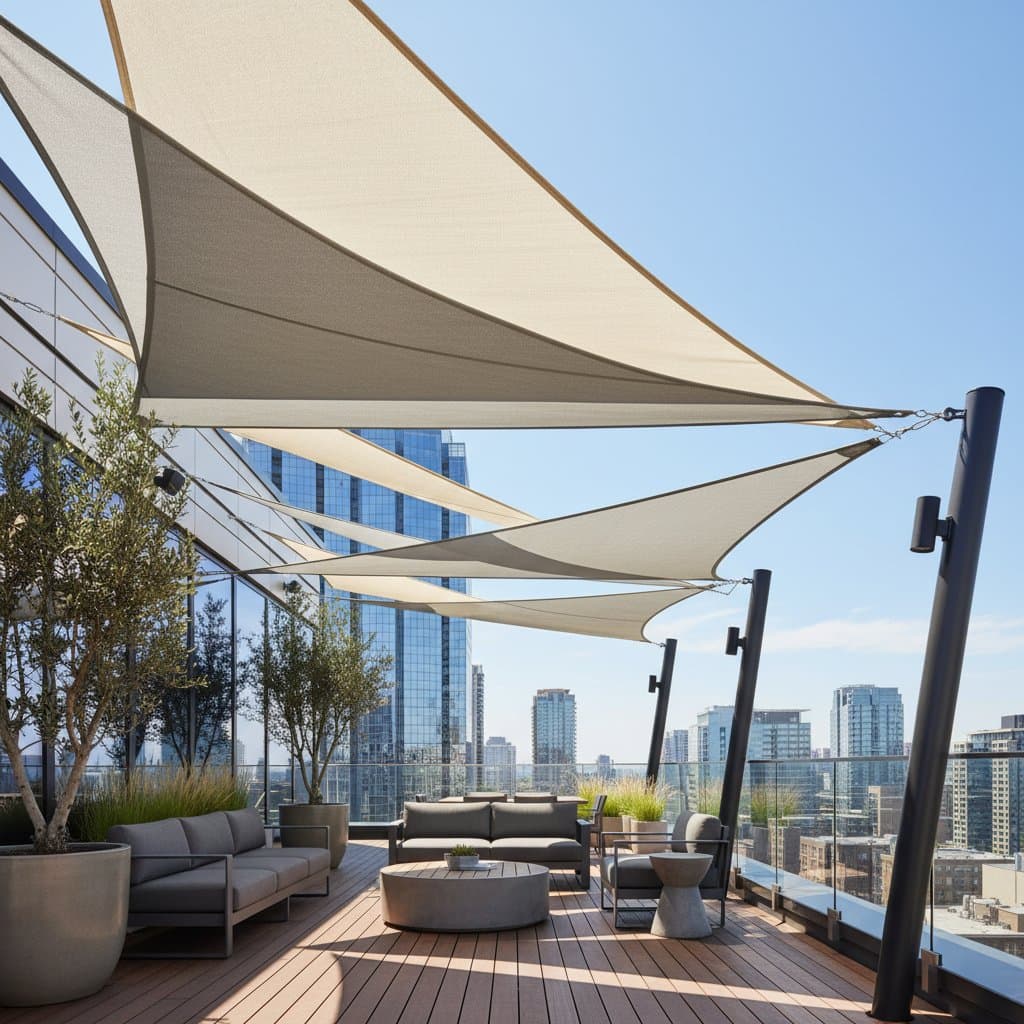
Urban decks in bustling cities often transform into uncomfortable hot spots under intense summer sun. Residents seek ways to enjoy the warmth without enduring excessive heat or glare. Shade sails address this challenge effectively by providing expansive coverage that mimics artistic installations, directing airflow and diffusing light while maintaining an open view of the sky. These structures deliver practical cooling, often reducing surface temperatures by up to 20 degrees Fahrenheit, and integrate seamlessly with contemporary urban aesthetics.

In 2025, shade sails gain popularity for their versatility in small spaces, where traditional awnings might feel confining. Installation requires minimal disruption, typically completing in a single afternoon with basic tools. This guide explores the essentials of shade sails, from selection and setup to long-term care, ensuring your deck remains a inviting extension of your home throughout the year.

Understanding Shade Sails

Shade sails consist of durable, tensioned fabric panels anchored at multiple points to create taut, billowing canopies. Common shapes include triangles for targeted coverage over seating areas and rectangles for broader deck spans. Fabrics such as high-density polyethylene (HDPE) offer excellent UV resistance, blocking up to 95 percent of harmful rays while allowing breezes to pass through.

Select sails based on your deck's dimensions and sun patterns. Measure the area to determine size, aiming for coverage that spans at least 70 percent of the space without overwhelming the layout. Consider tension points: ensure anchors align with structural elements like walls, posts, or railings to distribute weight evenly and prevent sagging.

Essential Tools and Materials

Prepare a straightforward kit to facilitate a smooth installation process. Focus on quality components that withstand urban weather conditions, including humidity and occasional high winds.

  • Shade sail fabric: Opt for UV-stabilized HDPE in sizes from 8 to 16 feet per side; choose breathable weaves for better ventilation.
  • Mounting hardware kit: Include adjustable turnbuckles for tension control, heavy-duty pad eyes or eye bolts for anchors, and stainless steel snap hooks or D-rings.
  • Power drill: Equip with carbide-tipped masonry bits for brick or concrete, and spade bits for wood; a cordless model enhances mobility.
  • Precision tools: Use a bubble level to verify even tension and a retractable measuring tape for accurate spacing.
  • Stable ladder: Select one rated for your weight plus tools, with a height that allows safe access to 10 feet or more.
  • Temporary guides: Employ UV-resistant rope or paracord to outline positions before final fixing.
  • Safety gear: Wear heavy-duty gloves to handle hardware and safety glasses to protect against drilling debris.

For a standard triangular sail covering 100 square feet, position anchors 8 to 12 feet apart at 45-degree angles to promote tautness. Rectangular designs require four points, spaced similarly. Verify that each mounting surface supports a minimum tension load of 100 pounds per corner; consult building codes for urban installations near shared walls.

Prioritizing Safety in Installation and Use

Safety forms the foundation of any shade sail project, particularly in dense urban environments where wind tunnels can amplify gusts. Begin by assessing your deck's load-bearing capacity through a professional engineer if the structure dates back more than 20 years.

Follow these key practices:

  • Monitor tension levels weekly for the initial month, as new fabric may elongate under load; adjust turnbuckles to maintain uniform pull.
  • Select marine-grade stainless steel or hot-dipped galvanized hardware to resist corrosion and avoid unsightly rust marks on surfaces.
  • Maintain a clearance zone of at least 3 feet from any open flames, grills, or heating elements, since prolonged heat exposure can degrade synthetic fibers.
  • Dismantle sails prior to severe weather events, such as storms with winds exceeding 40 miles per hour, to safeguard against seam failures or anchor dislodgement.
  • Conduct thorough inspections post-winter, checking for edge fraying, grommet wear, or fabric tears before spring redeployment.

Incorporate guy lines if anchors sit more than 5 feet from the deck edge, providing additional stability against lateral forces.

Budget Considerations and Timeline

Investing in shade sails proves cost-effective for urban dwellers aiming to extend outdoor usability without major renovations. A 12-foot triangular sail in commercial-grade fabric ranges from $50 to $100, with higher-end options featuring reinforced edges and 10-year UV warranties commanding the upper price.

Hardware kits cost $15 to $30, emphasizing durable components like swage turnbuckles for easy adjustments. Professional labor, if needed, involves 1 to 2 hours per sail at $50 to $75 per hour, depending on location accessibility in New York City.

Allocate 3 to 4 hours for a DIY project, including site preparation, drilling, and tensioning. Factors influencing total expense include sail dimensions, premium hardware choices, and supplementary elements like new 4x4 posts, which add $20 to $50 each if existing supports prove inadequate. Reuse balcony railings or facade mounts to minimize outlays, potentially keeping the full setup under $150.

Effective Storage and Off-Season Care

Proper storage extends the lifespan of shade sails, preventing damage from moisture or pests during colder months. Remove sails before the first frost to avoid ice accumulation, which can strain seams.

Store the fabric laid flat on a clean surface or loosely rolled along its length to eliminate deep creases that might weaken the material over time. Mark each corner with removable painter's tape, noting attachment points for effortless reinstallation. Place the sail in a ventilated cotton or mesh storage bag, steering clear of airtight plastic that traps humidity and fosters mold growth.

Organize hardware on a dedicated pegboard or in compartmentalized bins within a dry shed or apartment storage unit. This setup facilitates quick visual checks for rust or bending. Keep a tube of silicone-based lubricant on hand to ease turnbuckle operation after periods of inactivity, ensuring smooth seasonal transitions.

Scenarios Requiring Professional Assistance

Certain installations benefit from expert intervention to guarantee structural integrity and compliance with local regulations. Engage a contractor for decks over 10 years old, where hidden weaknesses might compromise anchors.

Professionals excel in challenging mounts, such as drilling into brick facades or concrete slabs, using expansion anchors or chemical adhesives to avoid surface cracks. For expansive setups exceeding 200 square feet, precise engineering prevents uneven stress distribution, often necessitating custom galvanized posts embedded in concrete footings.

Inquire about the installer's experience with wind-rated fabrics (capable of withstanding 50 mph gusts) and fabric manufacturer warranties. Verify permit requirements for street-visible installations in urban areas like NYC, where aesthetic reviews may apply. A preliminary consultation, typically $100 to $200, averts costly fixes from improper setups.

Advanced Techniques for Optimal Results

Layer multiple sails at varying heights to maximize shade depth while promoting air circulation; space them at least 6 inches apart to prevent fabric contact and moisture trapping.

Opt for light-reflective colors such as beige or ivory to minimize heat absorption, or select deeper shades like navy for dramatic contrast against lush planters. Ensure hardware finishes, such as brushed stainless or powder-coated black, coordinate across elements for a polished appearance.

For adaptable designs, install additional wall-mounted brackets, allowing seasonal reconfiguration to follow shifting sun angles. Store a compact adjustable wrench and measuring tape with the kit for routine tweaks, maintaining peak performance year-round.

Implementing Your Shade Sail Project

Embark on your deck transformation by surveying the space and plotting optimal shade paths based on daily sun exposure. Acquire a single high-quality sail to evaluate fit and effectiveness before scaling up.

Secure anchors with firm tension, creating crisp angles that enhance both function and form. Upon completion, observe a noticeable drop in ambient heat, with softened light creating a serene atmosphere. The gentle sway in breezes adds dynamic appeal, turning your deck into a sophisticated urban sanctuary.

With diligent maintenance, shade sails endure multiple seasons, delivering reliable cooling and elevated style that harmonizes with city living.

You Might Also Like

Solar Drip Systems Keep Deck Gardens Watered Automatically

Glass Deck Floors That Skylight the Space Below

Mycelium Boards Replace Wood in Sustainable Decking

Cut Deck Noise with Acoustic Privacy Screens

Solar Pergolas Turn Small Patios Into Power Sources

Tagged:

outdoor,deck,shade,sails,canopy,deck-shade,shade-sails,outdoor-canopy

Recent by Sheila Spaulding

Image for Solar Pavers Convert Steps and Sunlight Into Power

Solar Pavers Convert Steps and Sunlight Into Power

Feb 2, 2026
Image for Grow 30 Plants in 2 Feet Using Nutrient Mist

Grow 30 Plants in 2 Feet Using Nutrient Mist

Feb 1, 2026
Image for Mycelium Boards Replace Wood in Sustainable Decking

Mycelium Boards Replace Wood in Sustainable Decking

Feb 1, 2026
Image for Solar Pergolas Turn Small Patios Into Power Sources

Solar Pergolas Turn Small Patios Into Power Sources

Feb 1, 2026
Image for Stop Balcony Noise With Layers That Block and Absorb Sound

Stop Balcony Noise With Layers That Block and Absorb Sound

Jan 31, 2026

outdoor

Image for Micro-Misting Drops Balcony Temps 20 Degrees Fast

Micro-Misting Drops Balcony Temps 20 Degrees Fast

Jan 29, 2026
Image for Turn Your Deck into a Clean Energy Generator

Turn Your Deck into a Clean Energy Generator

Jan 29, 2026
Image for Micro-Pergola Pods Bring Patio Comfort to Tiny Balconies

Deck Construction & Remodeling

Solar Drip Systems Keep Deck Gardens Watered Automatically

Elevate your deck gardening with solar-powered drip irrigation for precise, hands-free watering. This guide covers final setup steps, safety measures, common fixes, cost breakdowns, and year-round care to foster healthy plants with minimal intervention.

Feb 2, 2026

Solar Pavers Convert Steps and Sunlight Into Power

Elevate your outdoor paths with solar pavers that generate electricity from sunlight and movement. This comprehensive resource outlines functionality, step-by-step setup, budgeting, troubleshooting, and ways to apply the power for lighting or devices—all while promoting green living.

Feb 2, 2026

Glass Deck Floors That Skylight the Space Below

Elevate your deck design with glass floor panels that function as skylights, flooding lower areas with natural light while delivering a sleek, contemporary look. This resource provides in-depth coverage of benefits, essential materials, step-by-step installation, safety protocols, maintenance routines, and guidance on when to hire experts—all to optimize your outdoor environment for light, style, and longevity.

Categories

Deck Construction & Remodeling(158)
Balcony Design(146)
Small-Space Gardens(63)
Rooftop Decks(50)
Backyard Design(18)

Micro-Pergola Pods Bring Patio Comfort to Tiny Balconies

Jan 29, 2026
Image for Cool Your Deck 15° with Solar Shade Sails

Cool Your Deck 15° with Solar Shade Sails

Jan 25, 2026
Image for Fold-Up Balcony Beds Turn City Patios Into Bedrooms

Fold-Up Balcony Beds Turn City Patios Into Bedrooms

Jan 23, 2026
Feb 2, 2026

Mycelium Boards Replace Wood in Sustainable Decking

Mycelium decking redefines sustainable outdoor design with boards cultivated from fungal roots and agricultural waste. These lightweight, compostable planks match wood's strength while minimizing environmental impact. This guide covers planning, installation, and care for a resilient, green yard addition.

Feb 1, 2026

Cut Deck Noise with Acoustic Privacy Screens

Turn urban deck noise into peaceful quiet with acoustic privacy screens. Explore sound-blocking options, step-by-step installation, upkeep advice, and cost-effective choices for a more enjoyable outdoor space throughout the year.

Feb 1, 2026

Deck Benches That Turn Scraps Into Garden Soil

Convert your deck into an eco-friendly oasis with a composting bench that serves as both comfortable seating and efficient soil producer. This comprehensive guide details construction steps, material needs, troubleshooting, and seasonal care to minimize waste and maximize garden yields.

Jan 31, 2026

Permeable Pavers Stop Flooding and Raise Property Value

Permeable pavers convert waterlogged areas into resilient, environmentally friendly surfaces. Water infiltrates through paver joints and stone bases, minimizing runoff, safeguarding structures, and elevating aesthetic appeal. This comprehensive guide details installation processes, upkeep routines, and financial considerations to demonstrate how these pavers promote sustainability, property enhancement, and enduring outdoor usability.

Jan 29, 2026

Turn Your Deck into a Clean Energy Generator

Elevate your deck into a sustainable solar energy source with integrated pavers that merge aesthetics and efficiency. This guide covers sunlight evaluation, circuit planning, durable tile installation, performance upkeep, expense details, safety protocols, and professional consultation needs to create a self-powered outdoor retreat.

Jan 29, 2026

Solar Pavers Turn Sunlight Into Outdoor Power

Elevate your outdoor areas with solar pavers, robust tiles that capture sunlight to generate power for lighting, charging stations, and appliances. This guide covers their functionality, required materials, and detailed installation instructions to build an efficient, wire-free environment that blends practicality with aesthetic appeal.

Jan 28, 2026

Mycelium Decks Replace Wood With Living Fungi Material

Mycelium, the intricate root system of fungi, emerges as a groundbreaking material for decking. This renewable and biodegradable option provides the durability of wood with a fraction of the environmental impact. Readers will gain insights into installation, maintenance, and benefits to create an outdoor haven that aligns with sustainable living principles.

Jan 27, 2026

Deck Pods Turn Open Decks into Year-Round Rooms

Convert your deck into a protected, inviting extension of your home using modular deck pods. This comprehensive guide covers planning, assembly, and upkeep for these adaptable structures, including required tools, safety protocols, and enhancements to achieve a durable, stylish outdoor space that provides year-round utility.

Jan 26, 2026

Solar Shade Sails Generate Power While Cooling Your Deck

Elevate your deck with solar shade sails that offer respite from the sun while harnessing solar power for everyday use. These versatile structures blend comfort with eco-friendly energy generation. Explore practical steps for installation, upkeep, and optimization to create an inviting, self-sustaining outdoor haven.

Jan 26, 2026

Cool Your Deck 15° with Solar Shade Sails

Counter summer deck heat with solar shade sails capable of reducing temperatures by up to 15 degrees. These tensioned fabric panels effectively block UV rays, improve airflow, and install in just one day. Gain insights into required tools, essential safety measures, and maintenance strategies for extended outdoor enjoyment.

Jan 25, 2026

Why Permeable Decks Stay 20 Degrees Cooler

Permeable decks address intense summer heat by facilitating airflow and water passage, which dissipates trapped warmth and maintains surfaces up to 20 degrees cooler. Incorporating light-colored materials, strategic gaps, and evaporative cooling, these decks foster inviting, sustainable outdoor areas that require low maintenance and provide enduring relief from hot surfaces.

Jan 25, 2026

Solar Pergolas Cut City Heat While Powering Your Deck

Elevate your compact urban deck with a solar pergola that delivers shade, produces renewable energy, and enhances sustainability. This comprehensive guide includes planning strategies, material choices, step-by-step installation, safety protocols, and upkeep tips to achieve a cooler, cost-effective outdoor area while increasing home value on a practical budget.

Jan 24, 2026

Fungal Fibers That Replace Wood Decks and Compost Clean

Mycelium decks redefine urban outdoor spaces through sustainable, compostable panels derived from fungal networks. These lightweight, durable alternatives to wood or plastic utilize agricultural waste. Follow this guide to cultivate, process, install, and maintain them for environmentally conscious urban design.

Jan 24, 2026

Misting Systems Drop Deck Temps 20° Fast

Misting systems transform hot decks into inviting spaces by reducing temperatures up to 20 degrees. This guide details planning, installation, maintenance, and optimization strategies for safe, effective cooling throughout the season.

Jan 22, 2026

UV Shade Sails Drop Deck Temps 20 Degrees

Combat summer heat and safeguard your deck using UV shade sails. This comprehensive guide details selection, installation, and upkeep strategies that reduce surface temperatures, avert color fading, and prolong deck longevity. Explore required tools, safety measures, common issues, and professional insights to create a fashionable, protected outdoor haven.

Jan 22, 2026

Shade Sails That Follow the Sun All Day Long

Automatic sun-tracking shade sails adjust their position to follow the sun, providing consistent shade and comfort on decks and patios. This comprehensive guide explains the technology, step-by-step installation, essential safety measures, ongoing maintenance, associated costs, and strategies to maximize durability and efficiency in your outdoor environment.

Jan 21, 2026

AI Cameras That Water Plants and Deter Deck Pests

Elevate your urban deck into an automated oasis with AI cameras that identify pests, optimize irrigation, and reduce upkeep. These intelligent systems leverage computer vision to safeguard plants, promote efficient water use, and deliver seamless outdoor enjoyment via straightforward installation and reliable performance.

Jan 21, 2026