Loading...

Compact Deck Bench: Plant, Sit & Store Solutions | urbanoutdoorsnyc.com | Urban Outdoors - Small-Space Gardens, Rooftop Decks, Balconies, Decks, Backyard Design
Skip to main content
Urban Outdoors
Search
Home
  1. Home
  2. /
  3. Deck Construction & Remodeling
  4. /
  5. Small Deck Solution: Plant, Sit, and Store in One Bench
Deck Construction & Remodeling

Small Deck Solution: Plant, Sit, and Store in One Bench

byDawn Hayden
2025-11-06 03:50:21November 6, 2025
6 min read
Featured image for Small Deck Solution: Plant, Sit, and Store in One Bench

Categories

Navigation

  • Home
  • All Articles
  • About Us
  • Privacy Policy
  • Terms of Service

© 2026 Urban Outdoors. Crafted for bold city dwellers.

2025-11-06 03:50:21
Urban Outdoors - Small-Space Gardens, Rooftop Decks, Balconies, Decks, Backyard Design

Compact Deck Bench: Planting, Seating, and Storage in One Unit

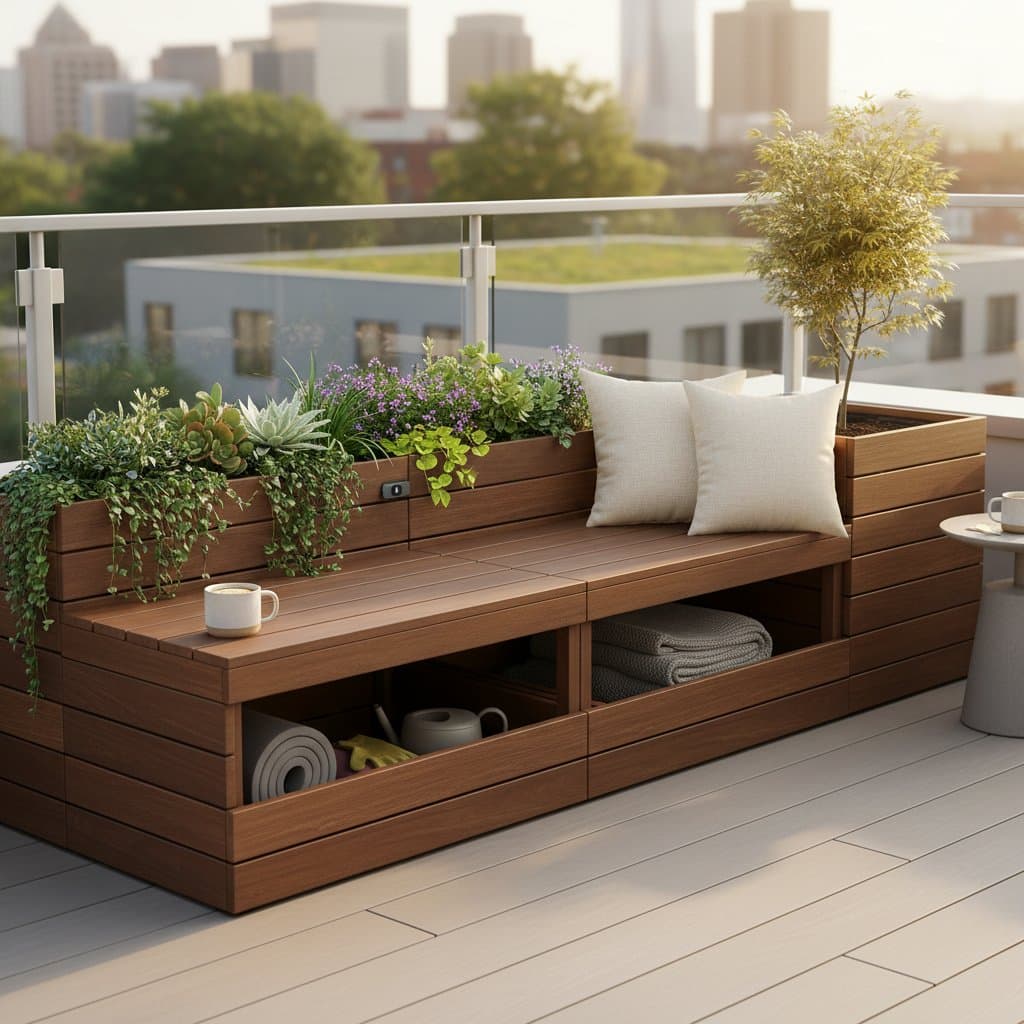
Small decks present unique challenges for incorporating greenery, relaxation spots, and practical storage. A self-watering storage bench addresses these limitations by integrating all elements into a single, space-efficient unit. This approach delivers a lush aesthetic, reliable seating, and protected storage without overwhelming limited square footage.

This article details the functionality of these benches, highlights their advantages, and provides step-by-step guidance on installation and maintenance for optimal performance.

Understanding Self-Watering Storage Benches

These benches feature a sealed base for dry storage, an upper planter section equipped with a water reservoir and wicking mechanism, and a durable top surface for seating. Plants access water through capillary action, drawing from the reservoir as required, which minimizes evaporation and overwatering risks. The overall design supports weights up to 300 pounds, making it suitable for everyday use on residential decks.

Readers will gain insights into material selection, assembly processes, seasonal care routines, and solutions for common issues to ensure long-term reliability.

Key Advantages

One versatile bench eliminates the need for multiple items, streamlining deck layout. Specific benefits include:

  • Space Optimization: Occupies a footprint of 4 to 6 feet in length and 18 to 24 inches in depth, freeing up areas for pathways or additional features.
  • Efficient Water Management: Reservoirs hold 1 to 2 gallons, reducing manual watering to once every 5 to 7 days depending on climate and plant types.
  • Item Protection: The watertight compartment shields contents from moisture, UV exposure, and pests, extending the life of stored goods.
  • Enhanced Usability: Seat height aligns with standard ergonomics at 17 to 19 inches, supporting prolonged sitting or casual gatherings.
  • Simplified Upkeep: Automates hydration for plants while organizing accessories, resulting in less time spent on maintenance tasks.

Essential Tools and Materials

Pre-made options simplify acquisition, but custom builds allow personalization. Assemble the following beforehand:

  • Structural Base: Cedar, redwood, or recycled plastic composite, sized 4 to 6 feet long by 2 feet wide for stability.
  • Planter Reservoir Kit: Includes a 1- to 2-gallon basin, wicking cords, and overflow drain to prevent flooding.
  • Soil Medium: 2 cubic feet of soilless potting blend with perlite for drainage, avoiding heavy garden soil that compacts.
  • Sealing Agents: Marine-grade epoxy or silicone caulk for joints and liners to block water intrusion.
  • Storage Divider: Plastic or metal tray to separate compartments and facilitate easy access.
  • Assembly Tools: Power drill with bits, Phillips screwdriver, tape measure, spirit level, and nitrile gloves for handling.
  • Comfort Add-Ons: Weather-resistant foam cushions or sling fabric, secured with ties to resist wind.

Assembly Instructions

Assess the Installation Site

Begin by measuring the intended location, ensuring 6 inches of rear clearance for drainage and 12 inches in front for access. Verify deck integrity: boards should be free of rot, and the surface level within 1/4 inch over the bench length. Calculate load capacity; a fully loaded bench weighs 100 to 150 pounds, so reinforce weak spots with additional joists if necessary.

Construct the Base Framework

If building, cut frame pieces to specification and join with galvanized lag screws spaced every 12 inches. For pre-assembled units, inspect for defects and tighten all fasteners. Coat wooden elements with two layers of exterior polyurethane sealant, allowing 24 hours drying time between applications to form a moisture barrier.

Integrate the Irrigation Components

Position the reservoir basin in the planter trough, securing it with adhesive pads. Thread wicking materials through pre-drilled holes, ensuring 4 to 6 inches extend into the soil zone above. Add water to the halfway mark and observe for 30 minutes; address any drips by reapplying sealant around edges. Activate the float indicator to track levels visually.

Populate with Soil and Vegetation

Layer gravel at the reservoir bottom for extra drainage, then add potting mix to within 1 inch of the rim. Select root-shallow varieties like chives, spinach, or petunias that thrive in 6- to 8-inch depths. Plant at twice the root ball width apart to promote circulation, then top-water thoroughly to saturate the wicks and initiate moisture transfer.

Configure the Storage Zone

Install a removable liner or slatted shelf in the base to elevate items off the floor. Place non-porous containers for any liquids, and organize vertically using bins to maximize capacity. Avoid overloading; distribute weight evenly to prevent tipping.

Finalize and Evaluate Stability

Position the bench and test by applying body weight gradually. Shim uneven legs with rubber pads cut to size for a rock-solid base. Top off the reservoir and record initial water usage over 48 hours, adjusting plant density if evaporation exceeds 20 percent daily.

Essential Safety Practices

Collaborate with a partner for lifting and positioning to distribute effort and minimize injury risk. Store no electronics or flammables in the enclosure to eliminate hazards. Regularly inspect hardware for wear, tightening as needed, and wear protective gear during soil work to guard against irritants.

Resolving Common Challenges

Excessive Soil Moisture or Algal Growth
Reduce reservoir fills to one-quarter capacity and incorporate 1 inch of pea gravel beneath the soil. This setup improves aeration and inhibits stagnation. Perform a monthly reservoir flush with diluted hydrogen peroxide during peak growth periods.

Plant Drooping with Adequate Water
Inspect wicks for soil compaction or kinks that impede flow. Flushing with room-temperature water restores function. Replace cords annually if fabric degradation appears.

Odor Development in Storage
Evacuate contents, scrub surfaces with a 1:1 vinegar-water mix, and air-dry with the compartment ajar for 48 hours. This neutralizes microbes effectively. Incorporate moisture absorbers like activated charcoal for ongoing prevention.

Ongoing Care Routines

Monitor and replenish the reservoir weekly during active seasons, scaling back to biweekly in dormancy. Disassemble for wick cleaning every four weeks, using a soft brush to remove debris. Refresh wood finishes biannually with oil-based protectants to combat weathering.

For off-season storage, drain all water, bag the soil for reuse, and elevate the bench on blocks in a sheltered spot. Prop lids open slightly to ventilate and avert mildew.

Cost and Effort Estimates

Ready-to-use models range from $120 to $300, depending on size and material durability. DIY projects total $80 to $180, factoring in hardware store purchases. Expect 2 to 4 hours for complete setup, with advanced woodworking adding time.

Durable composites justify higher initial costs through 10-year lifespans, while treated woods permit economical refinishing every few years.

Professional Assistance Indicators

Seek expert help if deck structural modifications exceed basic reinforcement, such as sistering joists or replacing subflooring. Consult arborists for integrating advanced irrigation or exotic plant selections that demand specialized soil amendments.

Seasonal Care Schedule

Spring Preparation: Flush the system, refresh soil with compost amendments, and seal any winter cracks.

Summer Vigilance: Increase refills to twice weekly in heatwaves, prune for ventilation, and vent storage to curb humidity.

Fall Cleanup: Extract fallen matter, winterize by draining, and inspect for pest entry points.

Winter Protection: Relocate fabrics indoors, cover the unit with permeable fabric, and clear snow accumulations promptly.

Implementing Your Deck Upgrade

Start by mapping your space to select an appropriately scaled bench. Match plants to site exposure, opting for sun-tolerant options like tomatoes in bright areas or hostas in partial shade. Establish a weekly inspection habit to fine-tune watering and sustain vitality throughout the year.

You Might Also Like

Solar Drip Systems Keep Deck Gardens Watered Automatically

Glass Deck Floors That Skylight the Space Below

Watering 50+ Pots From a Single Faucet

Mycelium Boards Replace Wood in Sustainable Decking

Cut Deck Noise with Acoustic Privacy Screens

Tagged:

storage,furniture,deck,smart,self,planters,watering,benches,self-watering-benches,deck-storage-planters

Recent by Dawn Hayden

Image for Glass Deck Floors That Skylight the Space Below

Glass Deck Floors That Skylight the Space Below

Feb 2, 2026
Image for Cut Deck Noise with Acoustic Privacy Screens

Cut Deck Noise with Acoustic Privacy Screens

Feb 1, 2026
Image for Deck Benches That Turn Scraps Into Garden Soil

Deck Benches That Turn Scraps Into Garden Soil

Jan 31, 2026
Image for Cool Balconies 15° Cheaper with Micro-Misting Systems

Cool Balconies 15° Cheaper with Micro-Misting Systems

Jan 30, 2026
Image for Living Sound Filters for City Apartments

Living Sound Filters for City Apartments

Jan 30, 2026

storage

Image for Deck Benches That Turn Scraps Into Garden Soil

Deck Benches That Turn Scraps Into Garden Soil

Jan 31, 2026
Image for Deck Benches That Grow Herbs While You Relax

Deck Benches That Grow Herbs While You Relax

Oct 17, 2025

Deck Construction & Remodeling

Solar Drip Systems Keep Deck Gardens Watered Automatically

Elevate your deck gardening with solar-powered drip irrigation for precise, hands-free watering. This guide covers final setup steps, safety measures, common fixes, cost breakdowns, and year-round care to foster healthy plants with minimal intervention.

Feb 2, 2026

Solar Pavers Convert Steps and Sunlight Into Power

Elevate your outdoor paths with solar pavers that generate electricity from sunlight and movement. This comprehensive resource outlines functionality, step-by-step setup, budgeting, troubleshooting, and ways to apply the power for lighting or devices—all while promoting green living.

Feb 2, 2026

Glass Deck Floors That Skylight the Space Below

Elevate your deck design with glass floor panels that function as skylights, flooding lower areas with natural light while delivering a sleek, contemporary look. This resource provides in-depth coverage of benefits, essential materials, step-by-step installation, safety protocols, maintenance routines, and guidance on when to hire experts—all to optimize your outdoor environment for light, style, and longevity.

Categories

Deck Construction & Remodeling(158)
Balcony Design(146)
Small-Space Gardens(63)
Rooftop Decks(50)
Backyard Design(18)
Feb 2, 2026

Mycelium Boards Replace Wood in Sustainable Decking

Mycelium decking redefines sustainable outdoor design with boards cultivated from fungal roots and agricultural waste. These lightweight, compostable planks match wood's strength while minimizing environmental impact. This guide covers planning, installation, and care for a resilient, green yard addition.

Feb 1, 2026

Cut Deck Noise with Acoustic Privacy Screens

Turn urban deck noise into peaceful quiet with acoustic privacy screens. Explore sound-blocking options, step-by-step installation, upkeep advice, and cost-effective choices for a more enjoyable outdoor space throughout the year.

Feb 1, 2026

Deck Benches That Turn Scraps Into Garden Soil

Convert your deck into an eco-friendly oasis with a composting bench that serves as both comfortable seating and efficient soil producer. This comprehensive guide details construction steps, material needs, troubleshooting, and seasonal care to minimize waste and maximize garden yields.

Jan 31, 2026

Permeable Pavers Stop Flooding and Raise Property Value

Permeable pavers convert waterlogged areas into resilient, environmentally friendly surfaces. Water infiltrates through paver joints and stone bases, minimizing runoff, safeguarding structures, and elevating aesthetic appeal. This comprehensive guide details installation processes, upkeep routines, and financial considerations to demonstrate how these pavers promote sustainability, property enhancement, and enduring outdoor usability.

Jan 29, 2026

Turn Your Deck into a Clean Energy Generator

Elevate your deck into a sustainable solar energy source with integrated pavers that merge aesthetics and efficiency. This guide covers sunlight evaluation, circuit planning, durable tile installation, performance upkeep, expense details, safety protocols, and professional consultation needs to create a self-powered outdoor retreat.

Jan 29, 2026

Solar Pavers Turn Sunlight Into Outdoor Power

Elevate your outdoor areas with solar pavers, robust tiles that capture sunlight to generate power for lighting, charging stations, and appliances. This guide covers their functionality, required materials, and detailed installation instructions to build an efficient, wire-free environment that blends practicality with aesthetic appeal.

Jan 28, 2026

Mycelium Decks Replace Wood With Living Fungi Material

Mycelium, the intricate root system of fungi, emerges as a groundbreaking material for decking. This renewable and biodegradable option provides the durability of wood with a fraction of the environmental impact. Readers will gain insights into installation, maintenance, and benefits to create an outdoor haven that aligns with sustainable living principles.

Jan 27, 2026

Deck Pods Turn Open Decks into Year-Round Rooms

Convert your deck into a protected, inviting extension of your home using modular deck pods. This comprehensive guide covers planning, assembly, and upkeep for these adaptable structures, including required tools, safety protocols, and enhancements to achieve a durable, stylish outdoor space that provides year-round utility.

Jan 26, 2026

Solar Shade Sails Generate Power While Cooling Your Deck

Elevate your deck with solar shade sails that offer respite from the sun while harnessing solar power for everyday use. These versatile structures blend comfort with eco-friendly energy generation. Explore practical steps for installation, upkeep, and optimization to create an inviting, self-sustaining outdoor haven.

Jan 26, 2026

Cool Your Deck 15° with Solar Shade Sails

Counter summer deck heat with solar shade sails capable of reducing temperatures by up to 15 degrees. These tensioned fabric panels effectively block UV rays, improve airflow, and install in just one day. Gain insights into required tools, essential safety measures, and maintenance strategies for extended outdoor enjoyment.

Jan 25, 2026

Why Permeable Decks Stay 20 Degrees Cooler

Permeable decks address intense summer heat by facilitating airflow and water passage, which dissipates trapped warmth and maintains surfaces up to 20 degrees cooler. Incorporating light-colored materials, strategic gaps, and evaporative cooling, these decks foster inviting, sustainable outdoor areas that require low maintenance and provide enduring relief from hot surfaces.

Jan 25, 2026

Solar Pergolas Cut City Heat While Powering Your Deck

Elevate your compact urban deck with a solar pergola that delivers shade, produces renewable energy, and enhances sustainability. This comprehensive guide includes planning strategies, material choices, step-by-step installation, safety protocols, and upkeep tips to achieve a cooler, cost-effective outdoor area while increasing home value on a practical budget.

Jan 24, 2026

Fungal Fibers That Replace Wood Decks and Compost Clean

Mycelium decks redefine urban outdoor spaces through sustainable, compostable panels derived from fungal networks. These lightweight, durable alternatives to wood or plastic utilize agricultural waste. Follow this guide to cultivate, process, install, and maintain them for environmentally conscious urban design.

Jan 24, 2026

Misting Systems Drop Deck Temps 20° Fast

Misting systems transform hot decks into inviting spaces by reducing temperatures up to 20 degrees. This guide details planning, installation, maintenance, and optimization strategies for safe, effective cooling throughout the season.

Jan 22, 2026

UV Shade Sails Drop Deck Temps 20 Degrees

Combat summer heat and safeguard your deck using UV shade sails. This comprehensive guide details selection, installation, and upkeep strategies that reduce surface temperatures, avert color fading, and prolong deck longevity. Explore required tools, safety measures, common issues, and professional insights to create a fashionable, protected outdoor haven.

Jan 22, 2026

Shade Sails That Follow the Sun All Day Long

Automatic sun-tracking shade sails adjust their position to follow the sun, providing consistent shade and comfort on decks and patios. This comprehensive guide explains the technology, step-by-step installation, essential safety measures, ongoing maintenance, associated costs, and strategies to maximize durability and efficiency in your outdoor environment.

Jan 21, 2026

AI Cameras That Water Plants and Deter Deck Pests

Elevate your urban deck into an automated oasis with AI cameras that identify pests, optimize irrigation, and reduce upkeep. These intelligent systems leverage computer vision to safeguard plants, promote efficient water use, and deliver seamless outdoor enjoyment via straightforward installation and reliable performance.

Jan 21, 2026