Loading...

Smart Irrigation Loops for Effortless Balcony Watering in Urban NYC | Urban Outdoors - Small-Space Gardens, Rooftop Decks, Balconies, Decks, Backyard Design
Skip to main content
Urban Outdoors
Search
Home
  1. Home
  2. /
  3. Small-Space Gardens
  4. /
  5. Smart Loops Turn Balcony Watering Into Autopilot
Small-Space Gardens

Smart Loops Turn Balcony Watering Into Autopilot

byDawn Hayden
2025-11-05 03:44:01November 5, 2025
7 min read
Featured image for Smart Loops Turn Balcony Watering Into Autopilot

Categories

Navigation

  • Home
  • All Articles
  • About Us
  • Privacy Policy
  • Terms of Service

© 2026 Urban Outdoors. Crafted for bold city dwellers.

2025-11-05 03:44:01
Urban Outdoors - Small-Space Gardens, Rooftop Decks, Balconies, Decks, Backyard Design

Introduction to Smart Irrigation Loops

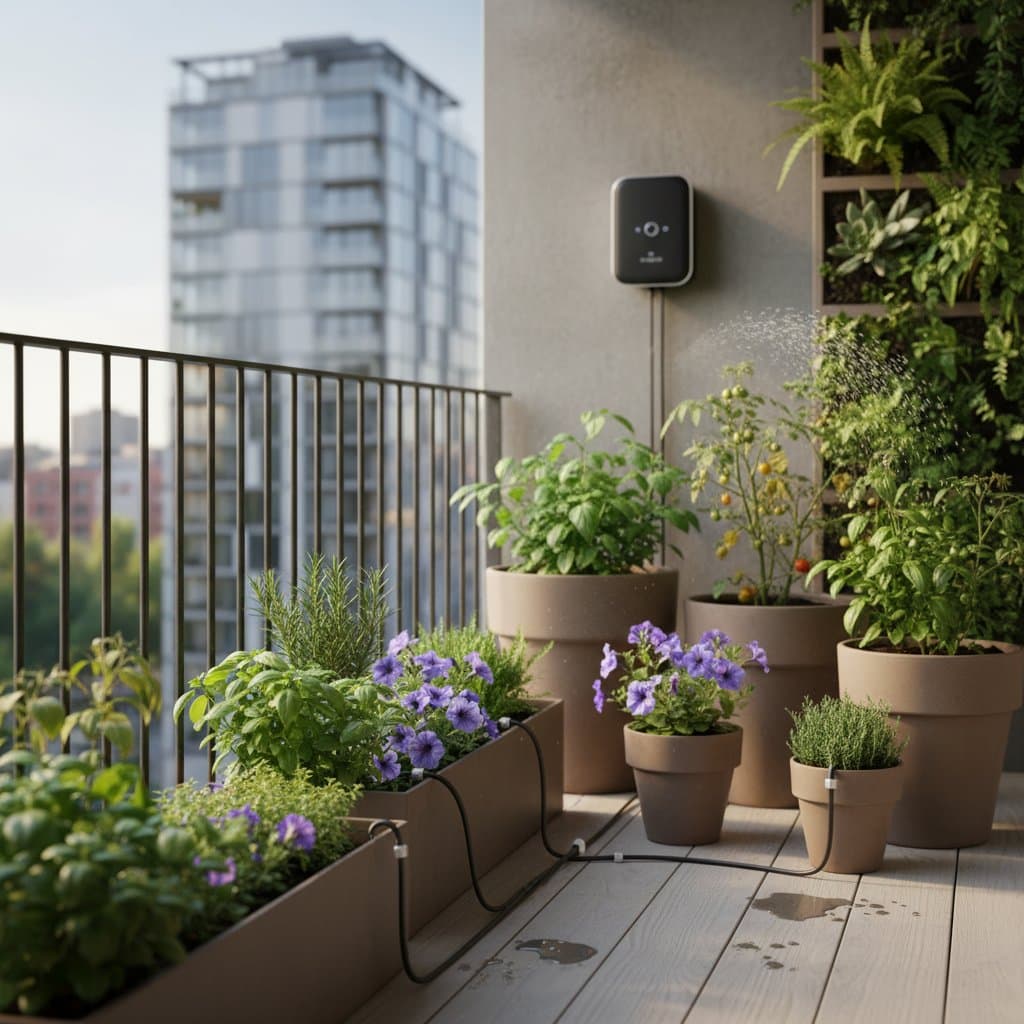
Urban living presents unique challenges for plant care, particularly on balconies where space is limited and schedules are demanding. Smart irrigation loops address these issues by automating the watering process with small-scale drip systems connected to timers or app-controlled devices. These systems ensure plants receive exact amounts of water at optimal times, promoting healthy growth without constant human intervention.

The core of a smart loop consists of flexible tubing, emitters that release water slowly into the soil, and a controller that regulates flow based on programmed schedules. Water sources can include a nearby faucet or hose connection, making installation straightforward for most users. By mimicking natural rainfall patterns, these loops prevent overwatering or underwatering, common pitfalls in balcony environments exposed to varying sunlight and wind.

Adopting this technology transforms routine maintenance into a background task. Gardeners reclaim hours previously spent with watering cans, allowing focus on enjoying their green spaces. In cities like New York, where balconies serve as vital extensions of living areas, such innovations enhance quality of life.

Benefits of Automating Balcony Watering

Time savings stand out as the primary advantage. Manual watering demands daily attention, especially during hot summers or travel periods. A smart loop operates independently, adjusting to weather via sensors in advanced models, which reduces plant stress and wilting risks.

Water conservation follows closely. Drip systems deliver moisture directly to roots, minimizing evaporation and runoff compared to sprinklers or hand-watering. This efficiency can cut usage by up to 50 percent, aligning with sustainable practices essential in water-conscious urban settings.

Plant health improves noticeably. Consistent hydration supports robust root development and blooming, even for finicky species like herbs or succulents. Reduced soil erosion from gentle drips preserves potting mix integrity, extending the lifespan of containers and plants alike.

Cost-effectiveness emerges over time. Initial investments yield returns through lower water bills and fewer plant replacements. For balcony enthusiasts, the peace of mind from a reliable system outweighs occasional tweaks, fostering a more enjoyable gardening experience.

Selecting the Right Smart Loop Kit

Assess your balcony's dimensions and plant arrangement before purchasing. Measure the total linear footage needed for tubing runs, typically 10 to 50 feet for standard setups. Count pots or planters to determine emitter quantity, aiming for one or two per container based on size and thirst level.

Evaluate controller options. Basic timers offer simple on-off cycles, while smart versions integrate with apps for remote adjustments and notifications. Battery-powered units suit balconies without outlets; solar models provide eco-friendly alternatives.

Consider water pressure from your source. Most kits handle standard household flows, but low-pressure adapters may be necessary for elevated balconies. Kits often include connectors, stakes, and filters to prevent clogs from city water minerals.

Budget plays a key role. Entry-level kits start at $40 for manual timers and basic tubing. Mid-range options around $70 add digital controls and adjustable emitters. Premium setups exceeding $100 feature weather integration and multiple zones for diverse plant needs.

Read user reviews for durability in outdoor conditions. Look for UV-resistant tubing and weatherproof controllers to withstand rain and sun exposure. Compatibility with existing pots or railings ensures seamless integration into your space.

Planning Your Installation

Sketch a layout to visualize tubing paths. Run lines along balcony edges or rails, securing with clips to avoid tripping hazards. Position emitters near plant bases for targeted delivery, avoiding foliage to prevent fungal issues.

Identify the water source. A balcony faucet works best; extend with a hose if needed. For indoor connections, ensure the line reaches without excessive length, which can reduce pressure.

Gather tools: scissors for cutting tubing, pliers for fittings, and a small wrench for connectors. Test components dry before adding water to confirm seals. Plan installation during mild weather to ease handling.

Account for plant varieties. Drought-tolerant species like lavender require less frequent cycles than thirsty ferns. Group similar plants to simplify zoning if your kit supports it.

Step-by-Step Installation Guide

Begin by attaching the main line to your water source. Use a pressure regulator if your faucet exceeds 30 PSI to protect delicate emitters. Connect the timer inline, setting initial cycles to short bursts for testing.

Lay out the tubing along your planned route. Cut sections to fit, inserting T-junctions or elbows for branches to individual pots. Punch holes for emitters using the kit's tool, then snap them in place.

Secure the loop with stakes or ties to keep it stable against wind. Place emitters at soil level, adjusting flow rates: low for small pots, higher for larger ones. Add a filter at the inlet to catch debris.

Fill pots to capacity and turn on the system. Observe for 10 minutes, checking for leaks at joints. Adjust emitter positions if water pools unevenly.

Program the controller. Start with daily watering of 10-15 minutes in the morning, modifying based on season and rainfall. Advanced apps allow soil moisture monitoring for fine-tuning.

Troubleshooting Common Issues

Uneven water distribution often stems from clogs or kinks. Flush the entire system by disconnecting the end cap and running water for one to two minutes. If drippers remain blocked, replace them with extras from the kit; soak in vinegar overnight for mineral removal.

Soggy soil indicates overwatering. Halve the emitter flow rate or shorten cycle times. Relocate affected pots to areas with more direct sun to accelerate evaporation, or improve drainage with gravel layers at pot bottoms.

Low pressure might result from long tubing runs or faulty regulators. Shorten lines where possible or add a booster pump for distant sources. Inspect the faucet aerator for restrictions.

Leaks at connections require tightening fittings or replacing worn seals. Dry the area, apply plumber's tape to threads, and reconnect firmly. Persistent issues signal incompatible parts; consult kit instructions for alternatives.

Controller malfunctions, such as failure to start, involve battery checks or resets. For app-linked devices, verify Wi-Fi signal strength on the balcony. Power cycle the unit to resolve glitches.

Ongoing Maintenance Practices

Monthly inspections keep the system performing optimally. Examine tubing for cracks, UV damage, or sediment buildup, especially in hard water areas. Clean emitters gently with a soft brush and mild soap solution.

Seasonal adjustments align with plant cycles. Increase frequency during growth spurts in spring; reduce in dormant winter periods. Monitor for pests that might chew lines, addressing with natural repellents.

Winter preparation prevents freeze damage. Disconnect the controller, open all valves, and blow air through tubing to drain residual water. Store components indoors, coiled loosely to avoid kinks.

Annual deep cleans involve disassembling and soaking parts in a diluted bleach solution. Rinse thoroughly before reuse. This routine extends equipment life beyond three years.

Track performance with a journal noting cycle changes and plant responses. This data refines schedules, ensuring long-term efficiency.

Cost Considerations and Time Investment

Basic kits range from $40 to $60, covering essentials like 20 feet of tubing and four emitters. Enhanced models with Bluetooth control climb to $80-$100, including extras like rain sensors.

Installation typically requires one hour for straightforward setups. Complex layouts with multiple zones may take two hours. Factor in minimal ongoing time: five minutes monthly for checks.

Long-term savings offset upfront costs. Reduced water use lowers utility bills, while healthier plants cut replacement expenses. For urban dwellers, the investment pays dividends in convenience.

Professional Assistance When Needed

Certain scenarios demand expert input. If the water source exceeds 15 feet from the balcony, or involves indoor plumbing modifications, engage a licensed plumber. They ensure compliance with building codes and safe installations.

Backflow preventers protect potable water supplies from contamination. Professionals install these devices correctly, avoiding fines or health risks. Discuss zoning for multi-level balconies.

For electrical integrations, like powered pumps, hire certified electricians. They assess outlet safety and weatherproofing, preventing hazards in exposed areas.

Implementing Your System

  1. Measure balcony dimensions and inventory pots to scale your needs.
  2. Select a kit aligned with your water access and automation preferences.
  3. Assemble and install components, testing thoroughly for functionality.
  4. Customize schedules to match plant requirements and local climate.
  5. Monitor initial runs, adjusting as plants respond.

With the system in place, observe steady progress in your greenery. Steady moisture fosters lush foliage and abundant yields, turning your balcony into a resilient urban retreat. Dedicate freed time to pruning or simply relaxing amid thriving plants.

You Might Also Like

Solar Drip Systems Keep Deck Gardens Watered Automatically

Watering 50+ Pots From a Single Faucet

Simple Drip Systems That Water While You Work

Turn Your Deck into a Clean Energy Generator

Solar Pavers Turn Sunlight Into Outdoor Power

Tagged:

garden,smart,automated,drip,irrigation,watering,automated-watering,drip-irrigation,smart-garden

Recent by Dawn Hayden

Image for Glass Deck Floors That Skylight the Space Below

Glass Deck Floors That Skylight the Space Below

Feb 2, 2026
Image for Cut Deck Noise with Acoustic Privacy Screens

Cut Deck Noise with Acoustic Privacy Screens

Feb 1, 2026
Image for Deck Benches That Turn Scraps Into Garden Soil

Deck Benches That Turn Scraps Into Garden Soil

Jan 31, 2026
Image for Cool Balconies 15° Cheaper with Micro-Misting Systems

Cool Balconies 15° Cheaper with Micro-Misting Systems

Jan 30, 2026
Image for Living Sound Filters for City Apartments

Living Sound Filters for City Apartments

Jan 30, 2026

garden

Image for Solar Drip Systems Keep Deck Gardens Watered Automatically

Solar Drip Systems Keep Deck Gardens Watered Automatically

Feb 2, 2026
Image for Microclimate Pods Extend Growing Season on Balconies

Microclimate Pods Extend Growing Season on Balconies

Jan 26, 2026
Image for Three Square Feet of Balcony That Feeds Urban Bees

Small-Space Gardens

Watering 50+ Pots From a Single Faucet

Convert your balcony's potted plants into a low-maintenance green haven using a micro-drip irrigation system. This practical guide details automatic watering for more than 50 pots, eliminating daily tasks while ensuring optimal hydration. Explore essential tools, installation from testing to timing, plus solutions for common issues and upkeep strategies for sustained success.

Feb 2, 2026

Grow 30 Plants in 2 Feet Using Nutrient Mist

Transform a narrow balcony into a productive aeroponic farm by 2026. These soil-free towers support up to 30 plants with efficient nutrient mist, delivering year-round greens while minimizing water use, space demands, and maintenance.

Feb 1, 2026

Simple Drip Systems That Water While You Work

Elevate your urban balcony garden with a simple, app-free micro drip irrigation system. This practical guide covers tools, installation steps, troubleshooting, and maintenance to ensure reliable watering and vibrant plants, even during busy schedules.

Jan 31, 2026

Categories

Deck Construction & Remodeling(158)
Balcony Design(146)
Small-Space Gardens(63)
Rooftop Decks(50)
Backyard Design(18)

Three Square Feet of Balcony That Feeds Urban Bees

Jan 25, 2026
Image for AI Cameras That Water Plants and Deter Deck Pests

AI Cameras That Water Plants and Deter Deck Pests

Jan 21, 2026
Image for Map Your Deck's Hot Spots Before You Zone

Map Your Deck's Hot Spots Before You Zone

Jan 19, 2026

How Urban Gardens Cut City Noise by 70%

Convert your bustling urban garden into a tranquil haven using layered vegetation and sound-dampening materials. This comprehensive guide details how evergreens, grasses, mulch, and permeable surfaces can diminish noise by up to 70 percent, fostering a soothing space that filters out urban clamor while enhancing natural serenity.

Jan 31, 2026

Living Sound Filters for City Apartments

Convert urban clamor into tranquility using acoustic plants as living sound barriers. This guide details optimal plant selection, strategic placement, and upkeep for effective noise reduction in tight city dwellings. Affordable and aesthetically pleasing, these green solutions deliver enduring calm without major alterations.

Jan 30, 2026

Mini Bog Gardens Bring Wetland Habitats to Balconies

Turn a standard balcony into a vibrant mini bog garden that mimics natural wetlands. Assemble a self-sustaining system with layered substrates, precise watering techniques, and native plants to foster biodiversity and create an engaging urban green space.

Jan 28, 2026

Why Shade Apps Unlock Perfect Balcony Gardens

Elevate your balcony garden using shade apps to precisely map sunlight exposure. Gain insights on plant selection for specific light zones, easy scanning techniques, and cost-effective tools. Uncover strategies for seasonal adjustments to cultivate a vibrant, sustainable urban oasis.

Jan 28, 2026

Microclimate Pods Extend Growing Season on Balconies

Turn your balcony or rooftop into a productive garden that defies seasonal limits with microclimate pods. These innovative enclosures maintain optimal warmth, humidity, and airflow. Follow this comprehensive guide for construction, plant selection, safety measures, and ongoing care to harvest greens and herbs throughout the year.

Jan 26, 2026

Three Square Feet of Balcony That Feeds Urban Bees

In the heart of urban living, three square feet of balcony can become a thriving haven for bees. This guide details plant selections, container arrangements, and maintenance practices to attract pollinators throughout the year. With modest investment and simple routines, your compact space contributes to healthier ecosystems and serene outdoor moments.

Jan 25, 2026

Aeroponic Towers Fit Full Veggie Gardens in 4 Feet

Convert a compact balcony into a productive, soil-free vegetable garden using aeroponic towers. This detailed guide covers planning, assembly, and maintenance for a lightweight system that delivers abundant yields while fitting urban constraints like limited space and sunlight.

Jan 24, 2026

Balcony Microclimates That Triple Your Harvest

Transform your balcony garden by identifying and leveraging microclimates—warm pockets, windy perimeters, and shaded retreats—that influence plant success. Map exposure to light, air, and temperature; assign suitable crops to zones; and adapt seasonally for a bountiful, year-round harvest in compact settings.

Jan 23, 2026

Balcony Mushroom Farms That Pay for Themselves

Transform your shaded balcony into a profitable mushroom farm producing gourmet varieties like oyster and shiitake. This guide covers setup, maintenance, harvesting, and sales strategies to generate steady income from urban space with minimal effort.

Jan 21, 2026

Acoustic Walls Cut Neighbor Noise Without Renovating

Achieve tranquility in bustling urban environments through acoustic walls, strategic sealing, and sound-absorbing plants. This guide provides practical installation steps, affordable material recommendations, and maintenance tips to create a serene home without extensive renovations.

Jan 18, 2026

Plants Cut City Noise With Layers and Smart Placement

Convert urban balconies or courtyards into tranquil refuges with sound-absorbing plants. Discover layering techniques featuring bamboo, evergreens, and grasses to diffuse noise, plus essential tips on selection, positioning, care, and affordability for compact green spaces.

Jan 17, 2026

Turn Your Balcony Into a Pollinator Stopover

Convert your balcony into a vibrant pollinator habitat that draws in bees, butterflies, and hummingbirds. Employ native plants, fresh water sources, and basic containers to promote urban biodiversity, improve air quality, and establish a serene green oasis, all achievable for less than seventy dollars with minimal weekly maintenance.

Jan 17, 2026

Dwarf Fruit Trees Turn Tiny Balconies into Orchards

Even the tiniest balcony can become a productive orchard with dwarf fruit trees. Compact options like Meyer lemon and dwarf apple varieties yield full-sized fruit in containers. This guide provides essential steps for setup, ongoing care, and troubleshooting to help city dwellers cultivate fresh produce just steps from their living spaces.

Jan 15, 2026

Turning Nine Square Feet Into a Pollinator Haven

Convert a modest 3x3 balcony into a dynamic micro-meadow that supports bees, butterflies, and birds. This comprehensive guide explains the process of designing, planting, and sustaining a lightweight, low-maintenance native plant habitat that delivers seasonal blooms, tranquility, and environmental benefits to city dwellers.

Jan 15, 2026

AI Garden Cams Catch Plant Problems Before They Spread

AI garden cameras leverage smart sensors and machine learning to track plant health, identify stress indicators promptly, and provide targeted care recommendations. This comprehensive guide covers device selection, installation procedures, data interpretation, and optimization strategies for watering and lighting, enabling urban gardeners to sustain healthy plants with reduced uncertainty and minimal effort.

Jan 14, 2026

Why Wildflower Balconies Supercharge Urban Pollinators

Convert your balcony into a buzzing mini-ecosystem that sustains urban pollinators. Explore native wildflower choices, efficient container arrangements, and simple maintenance routines to build lasting habitats in compact city areas. Gain insights into budget-friendly supplies, time commitments, and year-round strategies for a pollinator paradise.

Jan 12, 2026

AI Sensors Stop Deck Plants From Drying Out

AI sensors revolutionize deck gardening with automated watering based on real-time environmental data. This comprehensive guide covers installation, calibration, troubleshooting, and maintenance to ensure thriving plants, water savings, and minimal effort in compact urban spaces.

Jan 9, 2026