Loading...

Smart Solar Planters for Zero Deck Watering Effort | urbanoutdoorsnyc.com | Urban Outdoors - Small-Space Gardens, Rooftop Decks, Balconies, Decks, Backyard Design
Skip to main content
Urban Outdoors
Search
Home
  1. Home
  2. /
  3. Small-Space Gardens
  4. /
  5. Smart Solar Planters Cut Deck Watering to Zero
Small-Space Gardens

Smart Solar Planters Cut Deck Watering to Zero

byDawn Hayden
2025-11-23 04:05:41November 23, 2025
7 min read
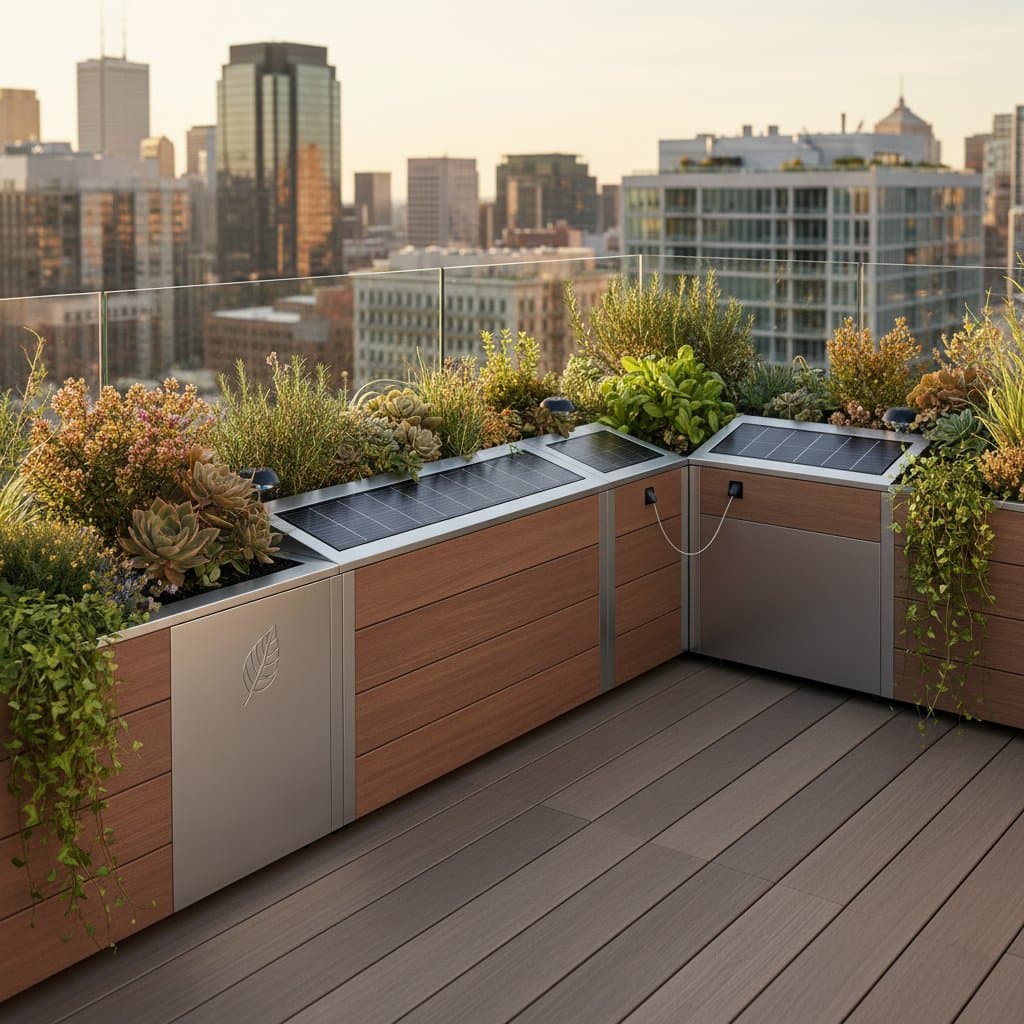
Featured image for Smart Solar Planters Cut Deck Watering to Zero

Categories

Navigation

  • Home
  • All Articles
  • About Us
  • Privacy Policy
  • Terms of Service

© 2026 Urban Outdoors. Crafted for bold city dwellers.

2025-11-24 03:31:08
Urban Outdoors - Small-Space Gardens, Rooftop Decks, Balconies, Decks, Backyard Design

Smart Solar Planters Revolutionize Deck Gardening

Imagine a deck that flourishes with vibrant plants, yet requires no manual watering or daily attention. Smart solar planters achieve this vision through integrated self-watering mechanisms, solar energy capture, and precise sensors that monitor soil moisture and light exposure. The result delivers healthy growth with minimal intervention and reduced resource consumption.

This guide explains the essentials of smart solar planters, their operational principles, required materials, and strategies for long-term success. Readers gain practical knowledge to implement these systems effectively in compact urban environments.

Overview

A smart solar planter functions as an autonomous container that delivers water to plants via solar-stored energy and embedded sensors. These sensors evaluate soil moisture, temperature, and light conditions, then regulate irrigation cycles to maintain optimal hydration levels. Such systems operate independently on balconies, decks, or rooftops, independent of external power sources.

The primary advantage lies in responsive care: irrigation activates based on actual plant requirements rather than fixed schedules. This approach conserves water, prevents root damage from excess moisture, and preserves soil aeration. Advanced models integrate with mobile applications, enabling remote oversight of environmental data.

Urban dwellers with constrained spaces benefit most, as these planters convert modest decks into efficient, low-effort gardens. Renters appreciate the portability, allowing relocation without disassembly.

Tools and Materials

Assembling a single smart solar planter demands a modest collection of items. Expansion to multiple units becomes feasible as space permits.

Essential items include:

  • One smart solar planter equipped with an integrated reservoir and solar panel
  • Container-grade potting mix, approximately 2 cubic feet (56 liters) for a standard large unit
  • A soil moisture meter or companion app for sensor verification
  • Drought-resistant seeds or seedlings, such as herbs or leafy greens
  • A watering can for the initial fill
  • Biodegradable cleaner for routine upkeep

Optional enhancements:

  • Supplemental solar battery for areas with reduced daily sunlight
  • Shade fabric or trellis support for vining species
  • LED grow lights for extended evening cultivation

Steps

Step 1: Select Optimal Placement

Identify a deck location receiving a minimum of 6 hours of direct sunlight daily. Solar panels demand unobstructed exposure, so steer clear of shadowed areas or obstructions like railings.

For north-facing decks, tilt the planter toward the sunniest direction. Employ a compass application on a smartphone to determine precise alignment.

Step 2: Assemble the Components

Adhere to the manufacturer's guidelines to link the solar panel, water reservoir, and sensors. Contemporary designs assemble via snap-fit connections, requiring no specialized tools.

Verify the reservoir accommodates at least 1 gallon (3.8 liters), sufficient to sustain medium-sized plants for 3 to 5 days without refills.

Step 3: Incorporate Soil and Introduce Plants

Load the planter with potting mix, reserving 2 inches (5 centimeters) at the upper edge to accommodate irrigation flow without spillage.

Position seeds or seedlings per recommended intervals. Place taller varieties in the rear or central positions to minimize shading of shorter plants.

Step 4: Activate the Irrigation Mechanism

Fill the reservoir to the designated line with water. Access the control interface or application to establish the baseline moisture threshold, typically 40 to 60 percent for herbs and greens.

Observe the inaugural irrigation cycle to ensure uniform distribution from the emitters. Reposition soil or emitters if uneven pooling occurs.

Step 5: Integrate Monitoring Tools

Pair the planter with a device through Bluetooth or Wi-Fi connectivity. This linkage provides access to live readings on moisture and illumination.

Configure notifications for reservoir depletion or power shortages. Maintain active alerts during the initial week, then adjust as the setup stabilizes.

Step 6: Adapt to Environmental Conditions

During anticipated heavy rainfall, engage manual override or suspend automatic watering to avert root rot from oversaturation. In periods of intense heat and aridity, incrementally elevate irrigation rates.

Post-weather events, inspect the reservoir levels. Aim for consistent hydration rather than perpetual dampness.

Safety Considerations

  • Power Precautions: Maintain dryness around solar connections during cleaning or refilling procedures.
  • Structural Integrity: Fully loaded large planters exceed 50 pounds (23 kilograms); evaluate deck weight limits prior to installing several units.
  • Family Protections: Anchor cords and tubes securely, especially in areas accessible to children.

Common Issues and Resolutions

Issue: Failure to Initiate Automatic Watering
Resolution: Inspect the battery charge display. Relocate to direct sunlight for 4 to 6 hours if levels prove insufficient.

Issue: Persistent Soil Saturation
Resolution: Reduce the target moisture setting or incorporate perlite for enhanced drainage. Compaction frequently underlies excess moisture retention.

Issue: Erratic Sensor Data in the Application
Resolution: Gently cleanse sensor probes with a soft brush to eliminate mineral deposits interfering with accuracy.

Issue: Plant Wilting Despite Adequate Moisture
Resolution: Review temperature logs. Excessive warmth may induce foliage stress; introduce provisional shading during midday peaks.

Upkeep Procedures

Perform biweekly cleaning by draining the reservoir, rinsing with diluted mild soap, and eradicating algae growth. Replenish with fresh water and validate filter integrity.

Clean the solar panel surface using a moist cloth to clear debris. Accumulated dust diminishes efficiency by up to 10 percent.

Conduct monthly examinations of hose fittings. Secure any loose joints to mitigate leaks, and substitute damaged tubing promptly.

Off-Season Storage

Prior to indoor storage in winter, evacuate all water and allow thorough drying to inhibit mold development.

Encase the solar panel in protective padding, such as cloth or bubble wrap, against abrasions. Position in a temperate, arid environment, avoiding prolonged light exposure.

Tag units by cultivated species for streamlined reactivation. Store sensors and accessories in a transparent container with desiccant packs to control humidity.

Cost and Effort Estimates

Prices for smart solar planters range from 60 to 200 dollars, influenced by dimensions and sensor sophistication. A balanced option featuring a 1-gallon reservoir and app integration suits typical deck applications.

Initial assembly requires 30 to 45 minutes per unit. Weekly maintenance demands approximately 10 minutes. Solar reliance obviates additional wiring or power expenses, yielding long-term savings.

Seasonal Adjustments

During peak warmth, daily moisture assessments prove essential in the first week as plants acclimate. Subsequent automation manages irrigation reliably.

In cooler or gusty weather, diminish watering intervals to safeguard roots. Monitor for reservoir condensation, indicative of excess internal moisture.

Ahead of new growth cycles, calibrate sensors by immersing in moist soil for 5 minutes. Discard units displaying inaccuracies.

Annually refresh potting mix with a 1:3 compost-to-soil blend to replenish vital nutrients.

Professional Assistance Indicators

Seek expert intervention if solar charging malfunctions under optimal conditions. Qualified solar specialists can diagnose voltage issues securely.

Should deck supports exhibit strain or moisture impairment from planter weight, engage a structural engineer for capacity evaluation and fortification recommendations.

For recurring plant ailments or fungal issues amid proper hydration, consult a regional horticultural expert to pinpoint and address underlying causes.

Essential Benefits

Smart solar planters streamline deck cultivation via solar-driven automation, precise sensing, and efficient water delivery. Time savings, waste reduction, and robust plant vitality emerge as key outcomes, accommodating demanding schedules.

These systems excel in confined city settings with sparse maintenance demands post-installation. Regular brief inspections foster consistent yields from herbs, blooms, or compact edibles.

Implementation Guide

  1. Select a Compatible Unit: Match the planter to your deck's dimensions and light availability.
  2. Install Promptly: Begin with resilient options like basil, mint, or lettuce this week.
  3. Evaluate Performance: Track progress over two weeks, refining irrigation parameters as needed.

Progressive achievements enhance proficiency. Your deck evolves into a sun-powered, sensor-optimized haven of greenery.

You Might Also Like

Solar Drip Systems Keep Deck Gardens Watered Automatically

Solar Pavers Convert Steps and Sunlight Into Power

Watering 50+ Pots From a Single Faucet

Grow 30 Plants in 2 Feet Using Nutrient Mist

Solar Pergolas Turn Small Patios Into Power Sources

Tagged:

solar,gardening,sensors,smart,self,planters,watering,self-watering-planters,solar-sensors,smart-gardening

Recent by Dawn Hayden

Image for Glass Deck Floors That Skylight the Space Below

Glass Deck Floors That Skylight the Space Below

Feb 2, 2026
Image for Cut Deck Noise with Acoustic Privacy Screens

Cut Deck Noise with Acoustic Privacy Screens

Feb 1, 2026
Image for Deck Benches That Turn Scraps Into Garden Soil

Deck Benches That Turn Scraps Into Garden Soil

Jan 31, 2026
Image for Cool Balconies 15° Cheaper with Micro-Misting Systems

Cool Balconies 15° Cheaper with Micro-Misting Systems

Jan 30, 2026
Image for Living Sound Filters for City Apartments

Living Sound Filters for City Apartments

Jan 30, 2026

solar

Image for Solar Drip Systems Keep Deck Gardens Watered Automatically

Solar Drip Systems Keep Deck Gardens Watered Automatically

Feb 2, 2026
Image for Solar Pavers Convert Steps and Sunlight Into Power

Solar Pavers Convert Steps and Sunlight Into Power

Feb 2, 2026
Image for Solar Pergolas Turn Small Patios Into Power Sources

Small-Space Gardens

Watering 50+ Pots From a Single Faucet

Convert your balcony's potted plants into a low-maintenance green haven using a micro-drip irrigation system. This practical guide details automatic watering for more than 50 pots, eliminating daily tasks while ensuring optimal hydration. Explore essential tools, installation from testing to timing, plus solutions for common issues and upkeep strategies for sustained success.

Feb 2, 2026

Grow 30 Plants in 2 Feet Using Nutrient Mist

Transform a narrow balcony into a productive aeroponic farm by 2026. These soil-free towers support up to 30 plants with efficient nutrient mist, delivering year-round greens while minimizing water use, space demands, and maintenance.

Feb 1, 2026

Simple Drip Systems That Water While You Work

Elevate your urban balcony garden with a simple, app-free micro drip irrigation system. This practical guide covers tools, installation steps, troubleshooting, and maintenance to ensure reliable watering and vibrant plants, even during busy schedules.

Jan 31, 2026

Categories

Deck Construction & Remodeling(158)
Balcony Design(146)
Small-Space Gardens(63)
Rooftop Decks(50)
Backyard Design(18)

Solar Pergolas Turn Small Patios Into Power Sources

Feb 1, 2026
Image for Turn Your Deck into a Clean Energy Generator

Turn Your Deck into a Clean Energy Generator

Jan 29, 2026
Image for Solar Pavers Turn Sunlight Into Outdoor Power

Solar Pavers Turn Sunlight Into Outdoor Power

Jan 28, 2026

How Urban Gardens Cut City Noise by 70%

Convert your bustling urban garden into a tranquil haven using layered vegetation and sound-dampening materials. This comprehensive guide details how evergreens, grasses, mulch, and permeable surfaces can diminish noise by up to 70 percent, fostering a soothing space that filters out urban clamor while enhancing natural serenity.

Jan 31, 2026

Living Sound Filters for City Apartments

Convert urban clamor into tranquility using acoustic plants as living sound barriers. This guide details optimal plant selection, strategic placement, and upkeep for effective noise reduction in tight city dwellings. Affordable and aesthetically pleasing, these green solutions deliver enduring calm without major alterations.

Jan 30, 2026

Mini Bog Gardens Bring Wetland Habitats to Balconies

Turn a standard balcony into a vibrant mini bog garden that mimics natural wetlands. Assemble a self-sustaining system with layered substrates, precise watering techniques, and native plants to foster biodiversity and create an engaging urban green space.

Jan 28, 2026

Why Shade Apps Unlock Perfect Balcony Gardens

Elevate your balcony garden using shade apps to precisely map sunlight exposure. Gain insights on plant selection for specific light zones, easy scanning techniques, and cost-effective tools. Uncover strategies for seasonal adjustments to cultivate a vibrant, sustainable urban oasis.

Jan 28, 2026

Microclimate Pods Extend Growing Season on Balconies

Turn your balcony or rooftop into a productive garden that defies seasonal limits with microclimate pods. These innovative enclosures maintain optimal warmth, humidity, and airflow. Follow this comprehensive guide for construction, plant selection, safety measures, and ongoing care to harvest greens and herbs throughout the year.

Jan 26, 2026

Three Square Feet of Balcony That Feeds Urban Bees

In the heart of urban living, three square feet of balcony can become a thriving haven for bees. This guide details plant selections, container arrangements, and maintenance practices to attract pollinators throughout the year. With modest investment and simple routines, your compact space contributes to healthier ecosystems and serene outdoor moments.

Jan 25, 2026

Aeroponic Towers Fit Full Veggie Gardens in 4 Feet

Convert a compact balcony into a productive, soil-free vegetable garden using aeroponic towers. This detailed guide covers planning, assembly, and maintenance for a lightweight system that delivers abundant yields while fitting urban constraints like limited space and sunlight.

Jan 24, 2026

Balcony Microclimates That Triple Your Harvest

Transform your balcony garden by identifying and leveraging microclimates—warm pockets, windy perimeters, and shaded retreats—that influence plant success. Map exposure to light, air, and temperature; assign suitable crops to zones; and adapt seasonally for a bountiful, year-round harvest in compact settings.

Jan 23, 2026

Balcony Mushroom Farms That Pay for Themselves

Transform your shaded balcony into a profitable mushroom farm producing gourmet varieties like oyster and shiitake. This guide covers setup, maintenance, harvesting, and sales strategies to generate steady income from urban space with minimal effort.

Jan 21, 2026

Acoustic Walls Cut Neighbor Noise Without Renovating

Achieve tranquility in bustling urban environments through acoustic walls, strategic sealing, and sound-absorbing plants. This guide provides practical installation steps, affordable material recommendations, and maintenance tips to create a serene home without extensive renovations.

Jan 18, 2026

Plants Cut City Noise With Layers and Smart Placement

Convert urban balconies or courtyards into tranquil refuges with sound-absorbing plants. Discover layering techniques featuring bamboo, evergreens, and grasses to diffuse noise, plus essential tips on selection, positioning, care, and affordability for compact green spaces.

Jan 17, 2026

Turn Your Balcony Into a Pollinator Stopover

Convert your balcony into a vibrant pollinator habitat that draws in bees, butterflies, and hummingbirds. Employ native plants, fresh water sources, and basic containers to promote urban biodiversity, improve air quality, and establish a serene green oasis, all achievable for less than seventy dollars with minimal weekly maintenance.

Jan 17, 2026

Dwarf Fruit Trees Turn Tiny Balconies into Orchards

Even the tiniest balcony can become a productive orchard with dwarf fruit trees. Compact options like Meyer lemon and dwarf apple varieties yield full-sized fruit in containers. This guide provides essential steps for setup, ongoing care, and troubleshooting to help city dwellers cultivate fresh produce just steps from their living spaces.

Jan 15, 2026

Turning Nine Square Feet Into a Pollinator Haven

Convert a modest 3x3 balcony into a dynamic micro-meadow that supports bees, butterflies, and birds. This comprehensive guide explains the process of designing, planting, and sustaining a lightweight, low-maintenance native plant habitat that delivers seasonal blooms, tranquility, and environmental benefits to city dwellers.

Jan 15, 2026

AI Garden Cams Catch Plant Problems Before They Spread

AI garden cameras leverage smart sensors and machine learning to track plant health, identify stress indicators promptly, and provide targeted care recommendations. This comprehensive guide covers device selection, installation procedures, data interpretation, and optimization strategies for watering and lighting, enabling urban gardeners to sustain healthy plants with reduced uncertainty and minimal effort.

Jan 14, 2026

Why Wildflower Balconies Supercharge Urban Pollinators

Convert your balcony into a buzzing mini-ecosystem that sustains urban pollinators. Explore native wildflower choices, efficient container arrangements, and simple maintenance routines to build lasting habitats in compact city areas. Gain insights into budget-friendly supplies, time commitments, and year-round strategies for a pollinator paradise.

Jan 12, 2026

AI Sensors Stop Deck Plants From Drying Out

AI sensors revolutionize deck gardening with automated watering based on real-time environmental data. This comprehensive guide covers installation, calibration, troubleshooting, and maintenance to ensure thriving plants, water savings, and minimal effort in compact urban spaces.

Jan 9, 2026