Loading...

Solar Pergolas Reduce Cooling Costs and Power Decks | urbanoutdoorsnyc.com | Urban Outdoors - Small-Space Gardens, Rooftop Decks, Balconies, Decks, Backyard Design
Skip to main content
Urban Outdoors
Search
Home
  1. Home
  2. /
  3. Deck Construction & Remodeling
  4. /
  5. Solar Pergolas Cut Cooling Costs While Powering Your Deck
Deck Construction & Remodeling

Solar Pergolas Cut Cooling Costs While Powering Your Deck

byAnne Marion
2026-03-11 05:21:39March 11, 2026
6 min read
Featured image for Solar Pergolas Cut Cooling Costs While Powering Your Deck

Categories

Navigation

  • Home
  • All Articles
  • About Us
  • Privacy Policy
  • Terms of Service

© 2026 Urban Outdoors. Crafted for bold city dwellers.

2026-03-12 04:23:03
Urban Outdoors - Small-Space Gardens, Rooftop Decks, Balconies, Decks, Backyard Design

Introduction to Solar Pergolas

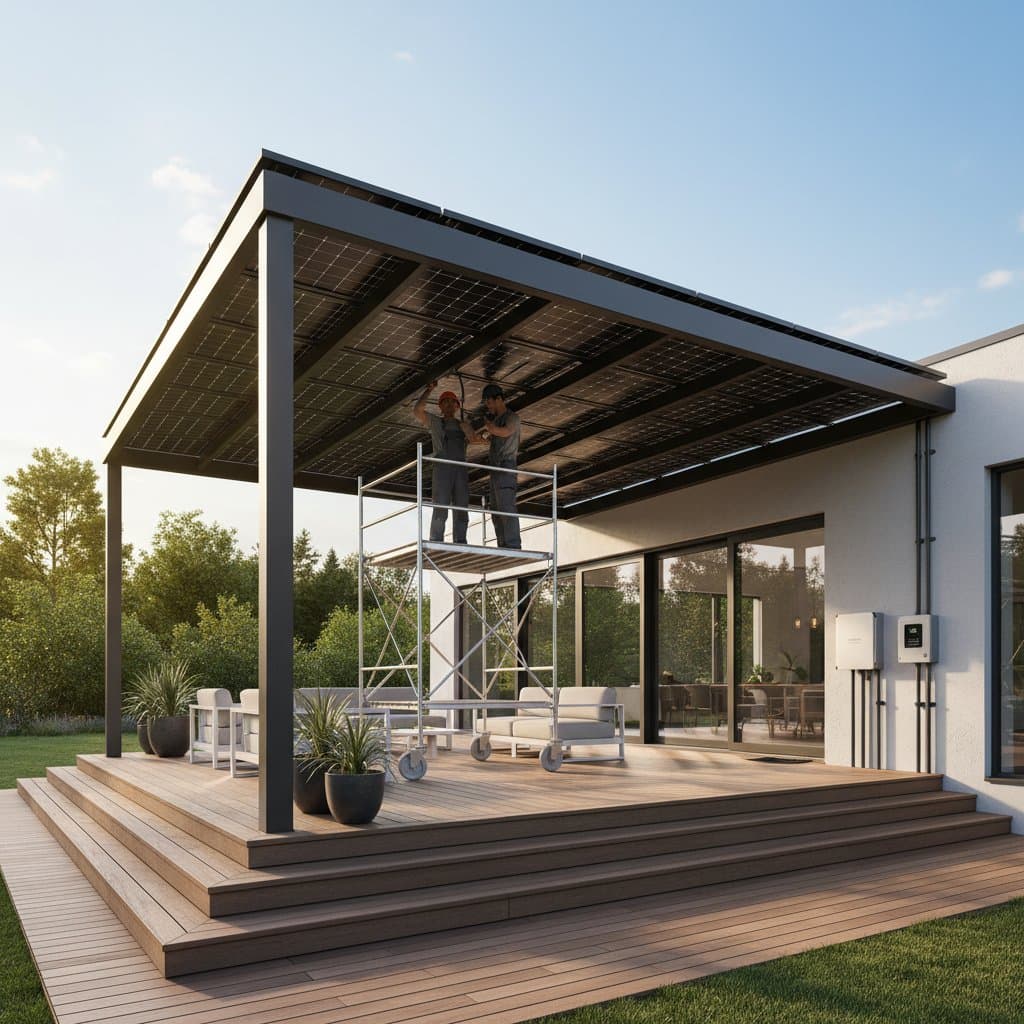
Solar pergolas combine traditional outdoor shading with modern renewable energy generation. These structures feature photovoltaic panels mounted on a pergola frame, creating a shaded area that also captures sunlight to produce electricity. Homeowners benefit from reduced cooling needs in summer and a reliable source of power for outdoor lighting or appliances.

The design allows air to circulate beneath the panels, which helps keep the space cooler compared to solid roofs. In urban settings like New York City, where decks often face high temperatures, a solar pergola provides practical relief. Systems typically connect to home batteries or the grid, offering long-term savings on utility bills.

Before starting any project, evaluate your deck's size, sun exposure, and local building codes. Professional consultation ensures compliance and optimal performance.

Planning Your Solar Pergola

Begin by assessing your outdoor space. Measure the deck area to determine the pergola's footprint, aiming for coverage that matches your usage patterns. Consider the path of the sun throughout the day; south-facing orientations maximize energy capture in the Northern Hemisphere.

Sketch a basic design that integrates with your home's architecture. Decide on open sides for better airflow or partial enclosures for privacy. Factor in weight capacity, as solar panels add significant load to the structure.

Consult local regulations early. Permits may require structural engineering reviews, especially for rooftop or elevated decks. Budget for these steps to avoid delays.

Selecting Materials

Choose durable, weather-resistant materials for longevity. Aluminum frames resist rust and require minimal upkeep, while treated wood offers a natural aesthetic but demands regular sealing.

For panels, select monocrystalline types for higher efficiency in limited spaces. Ensure they meet certifications like UL 1703 for safety. Inverters convert DC to AC power; microinverters optimize each panel's output, ideal for partially shaded areas.

Support components include mounting brackets and wiring conduits. Opt for UV-resistant cables and grounded systems to prevent hazards. Source materials from reputable suppliers to guarantee quality.

Building the Frame

Construct the pergola frame on a stable foundation. Secure posts to concrete footings or deck joists with galvanized anchors to withstand wind and snow loads.

Assemble beams and rafters using corrosion-resistant fasteners. Space rafters 12 to 24 inches apart to support panel weight without sagging. Level the structure meticulously to ensure even panel alignment.

Apply sealants to all joints immediately after assembly. This step protects against moisture infiltration, which can lead to rot or electrical issues over time.

Mounting the Solar Panels

Position panels on the rafters, tilting them at 20 to 40 degrees for optimal sunlight absorption. Secure with adjustable racking systems that allow for expansion or cleaning access.

Connect panels in series or parallel based on your inverter specifications. Use bypass diodes to minimize shading losses from debris or birds. Ground all metal parts to the frame to eliminate shock risks.

Double-check alignments with a level and solar path calculator. Proper mounting ensures maximum energy yield and structural integrity.

Connecting to the Power Source

Engage a licensed electrician to integrate the solar output with your home's electrical system. This professional handles connections to the breaker panel or a dedicated battery bank, ensuring code compliance.

For grid-tied setups, obtain approval from your utility company. They review the system's specifications and install a bidirectional meter to track exported energy. Battery options store excess power for nighttime or cloudy days use.

Test initial connections without full power-up. Verify insulation resistance and polarity to prevent short circuits.

Testing and Monitoring the System

After activation, monitor each panel's performance via the inverter's display or mobile application. Confirm consistent voltage output across all units; minor discrepancies occur due to temperature variations, but significant drops signal problems.

Run full-system tests under peak sunlight conditions. Log initial production data to establish baselines for future comparisons. Adjust panel angles if needed for seasonal optimization.

Install monitoring software for real-time alerts on efficiency drops. This tool tracks energy generation and consumption patterns over time.

Safety Considerations

Prioritize protection during construction and operation. Wear protective gloves to avoid injuries from sharp panel edges or tools.

Maintain stable footing on ladders and scaffolds when installing overhead components. Secure work areas to prevent falls.

Refrain from electrical work in damp weather to minimize shock hazards. Identify and avoid existing wiring or plumbing before drilling.

Keep a Class C fire extinguisher accessible for any electrical tasks. Follow manufacturer guidelines for handling and storage of components.

Common Troubleshooting Issues

Lower-than-expected output often stems from environmental factors. Inspect for shading caused by nearby trees, buildings, or chimney vents; prune obstacles or use panel optimizers to mitigate impacts.

Examine wiring for loose connections, corrosion, or moisture damage in junction boxes. Tighten fittings and apply waterproof seals as necessary.

Accumulated dirt, bird droppings, or pollen reduces efficiency. Gently clean surfaces monthly with a soft brush, mild soap solution, and deionized water to avoid streaks.

Inverter malfunctions display error codes; reference the user manual for diagnostics. Reset the device if possible, or summon a certified technician for complex repairs.

Budgeting and Timeline

Expect costs for a standard solar pergola to range from $7,000 to $12,000, influenced by size, materials, and features like battery integration. Labor accounts for 40 to 60 percent of expenses in urban areas with higher rates.

Construction typically spans three to five days for framing, panel installation, and wiring, followed by one to two weeks for permits and inspections in grid-connected projects.

Cost-saving measures involve selecting wooden framing over metal, installing initial panels with expansion provisions, or using central string inverters instead of pricier microinverters. Balance savings with reliability; invest fully in anchors, wiring, and weatherproofing to avert costly repairs.

Ongoing Maintenance Practices

Schedule panel cleaning twice per season to remove environmental buildup. Use a non-abrasive brush and diluted detergent, rinsing thoroughly to preserve coatings.

Inspect structural elements annually for signs of wear, such as loose bolts or corrosion on brackets. Tighten hardware and repaint metal surfaces as required.

Reseal wooden components every two to three years with marine-grade products. For metal frames, a simple hose rinse suffices periodically.

Clear debris like leaves from the understructure regularly to promote ventilation and deter mold growth. Integrate smart sensors for automated notifications on performance declines.

Steps to Get Started

Start by mapping sun exposure using a smartphone app or basic solar tracker. This data informs panel quantity and placement.

Reach out to certified solar professionals for a site assessment and customized quote. They verify feasibility and recommend system scale.

A well-executed solar pergola delivers enduring value through energy independence, cost reductions, and an inviting shaded haven for relaxation.

You Might Also Like

Shape Deck Zones to Stay Comfortable All Year

Rooftop Decks Stay 40% Cooler with Shade Sails

Micro-Misting Drops Balcony Heat 20° in Seconds

Retractable Shade Sails Cut Rooftop Heat by 20°F

Creating Deck Zones That Work in Every Season

Tagged:

outdoor,energy,solar,smart,pergolas,solar-pergolas,decks,structures,generating,energy-generating-decks

Recent by Anne Marion

Image for Living Pergolas Cool Decks Through Natural Shade

Living Pergolas Cool Decks Through Natural Shade

Mar 18, 2026
Image for Creating a Balcony Microclimate for Plants Year-Round

Creating a Balcony Microclimate for Plants Year-Round

Mar 18, 2026
Image for Rooftop Benches That Clean Air and Cool Surfaces

Rooftop Benches That Clean Air and Cool Surfaces

Mar 18, 2026
Image for Smart Drip Systems Keep Balcony Plants Thriving

Smart Drip Systems Keep Balcony Plants Thriving

Mar 17, 2026
Image for Micro-Misting Drops Balcony Heat 20° in Seconds

Micro-Misting Drops Balcony Heat 20° in Seconds

Mar 17, 2026

outdoor

Image for Shape Deck Zones to Stay Comfortable All Year

Shape Deck Zones to Stay Comfortable All Year

Mar 18, 2026
Image for Micro-Misting Drops Balcony Heat 20° in Seconds

Micro-Misting Drops Balcony Heat 20° in Seconds

Mar 17, 2026
Image for Creating Deck Zones That Work in Every Season

Deck Construction & Remodeling

Living Pergolas Cool Decks Through Natural Shade

Transform your deck into a shaded, verdant escape using a living pergola. This comprehensive guide details material selection, structural assembly, irrigation setup, and vine choices that flourish. Explore techniques to enhance shade, optimize airflow, and cultivate a sustainable oasis that enhances comfort and beauty with each passing season.

Mar 18, 2026

Shape Deck Zones to Stay Comfortable All Year

Elevate your deck into a versatile outdoor haven by implementing microclimate zones. This approach involves assessing light patterns, wind flow, and thermal areas, then applying targeted elements like portable heaters, shade structures, and strategic plantings to ensure comfort across all seasons.

Mar 18, 2026

Cool Decks Stay 20 Degrees Cooler in Summer Heat

Turn urban decks from hot hazards into cool havens with heat-reflective materials. This guide covers composites, thermally modified woods, and strategies to maintain surfaces up to 20 degrees cooler, plus practical advice on design, budget, and care for year-round enjoyment.

Categories

Deck Construction & Remodeling(223)
Balcony Design(191)
Small-Space Gardens(82)
Rooftop Decks(81)
Backyard Design(21)

Creating Deck Zones That Work in Every Season

Mar 15, 2026
Image for Pergola Pods Turn Decks Into Year-Round Retreats

Pergola Pods Turn Decks Into Year-Round Retreats

Mar 12, 2026
Image for Micro-Misting Drops Balcony Temps 15°F in Minutes

Micro-Misting Drops Balcony Temps 15°F in Minutes

Mar 9, 2026
Mar 16, 2026

Micro-Misting Drops Deck Temperature 15 Degrees

Combat summer heat by installing a micro-misting system that reduces deck temperatures up to 15°F. This guide covers the cooling process, energy-efficient benefits, and adaptable designs for various outdoor areas. Find detailed installation instructions, troubleshooting advice, and seasonal maintenance to sustain a refreshing backyard environment.

Mar 16, 2026

Mycelium Decks Break Down Instead of Piling Up

Mycelium decks revolutionize urban outdoor areas with panels grown from fungal networks and agricultural byproducts. These lightweight, water-resistant, and fully biodegradable options provide a green alternative to traditional plastic composites. This guide covers installation, upkeep, budgeting, and strategies to maximize their lifespan while minimizing environmental impact.

Mar 15, 2026

Creating Deck Zones That Work in Every Season

Elevate your deck into a seasonal haven by developing microclimates that provide tailored comfort throughout the year. Explore strategies for zoning, shading, heating, and organizing with durable materials, strategic lighting, and efficient storage solutions. Achieve prolonged outdoor use while enhancing energy efficiency, visual appeal, and safety measures.

Mar 15, 2026

Glass Domes Keep Your Deck Open All Year

Elevate your deck into a versatile, all-season haven using glass domes or retractable pergolas. Gain insights into selecting materials, executing installations, and performing upkeep to maintain a bright, comfortable area for winter mornings or summer evenings alike.

Mar 14, 2026

Solar Pavers Store Sunlight and Charge Your Phone

Elevate your outdoor spaces with solar pavers that capture daylight to provide nighttime illumination and device charging capabilities. This comprehensive guide details their functionality, installation requirements, upkeep recommendations, expense considerations, and safety protocols to help you build an efficient, luminous environment that performs reliably throughout the year with little ongoing work.

Mar 14, 2026

Smart Apps Map Microclimates for Ideal Deck Builds

Smart apps uncover microclimate nuances in your yard, from sunlight exposure to wind flow and moisture levels. These tools guide material selection, layout planning, and design choices to create durable, comfortable decks. Transform local data into a strategic plan for your perfect outdoor area.

Mar 13, 2026

Pergola Pods Turn Decks Into Year-Round Retreats

Elevate your deck with a pergola pod, a versatile structure that provides shade, protection, and aesthetic appeal. This guide covers planning, construction, upkeep, and strategies to maximize seasonal use, ensuring comfort in any weather.

Mar 12, 2026

Solar Pergolas Cut Cooling Costs While Powering Your Deck

Elevate your deck with a solar pergola that offers shade and produces clean energy. This comprehensive guide details planning, material choices, installation steps, safety measures, troubleshooting, budgeting, and maintenance. Discover how to build a durable structure that cuts energy expenses and enhances outdoor comfort.

Mar 11, 2026

Micro-Misting Drops Deck Heat 15° Without Puddles

Micro-misting provides an effective solution to transform sweltering decks into comfortable retreats, reducing temperatures by up to 15 degrees through fine water droplets. This guide details the science behind the cooling, lists necessary tools and materials, outlines installation processes, addresses safety considerations, and offers maintenance advice for reliable performance throughout the season.

Mar 11, 2026

Mycelium Decks Grow Strength from Fungal Roots

Mycelium decks leverage fungal networks to create biodegradable, waste-derived outdoor flooring that enhances urban sustainability. This resource provides practical instructions for building resilient panels that integrate nature into city living, including material selection, assembly techniques, and long-term care strategies.

Mar 11, 2026

Micro-Clover Borders Cut Deck Upkeep in Half

Revitalize weary deck borders using resilient micro-clover, a self-sustaining ground cover that thrives with little intervention. This guide details installation, care essentials, and advantages like reduced mowing and enhanced aesthetics for compact urban spaces.

Mar 10, 2026

Set Up Drip Irrigation for Deck Containers

Elevate deck gardening with a micro-drip irrigation system that automates watering for consistent plant health. This guide covers planning, installation, and maintenance to save time, reduce water use, and ensure thriving containers in urban settings.

Mar 8, 2026

Soundproof Your Deck with Layers and Soft Surfaces

Convert a bustling urban deck into a serene haven through effective soundproofing techniques. This guide details sealing gaps, layering soft materials, installing acoustic panels, and integrating natural barriers like plants and curtains to foster a private, relaxing environment that balances style and acoustic control.

Mar 8, 2026

Solar Pergolas Cut Deck Heat While Powering Your Home

Elevate your deck with a solar pergola that offers shade from heat and produces renewable energy. This comprehensive guide details design options, material choices, step-by-step installation, safety measures, and upkeep strategies to boost comfort, cut costs, and promote eco-friendly living in your outdoor area.

Mar 7, 2026

Native Plants Transform Deck Edges Into Pollinator Havens

Convert a plain deck into a bustling pollinator sanctuary using native plant borders. This guide covers design principles, plant selection, planting techniques, and maintenance strategies to attract bees, butterflies, and birds with minimal effort. Explore practical advice, recommended species, and care essentials for a vibrant, eco-friendly outdoor space.

Mar 7, 2026

Acoustic Panels Cut Deck Noise by 30 to 50 Percent

Elevate a bustling deck to a tranquil sanctuary via outdoor acoustic panels. This resource covers selecting resilient materials, orchestrating installations, and upholding acoustic efficacy throughout the year. Acquire actionable guidance, cost-saving advice, and aesthetic concepts to neutralize city clamor, enhance seclusion, and foster relaxed, conducive outdoor interactions.

Mar 6, 2026

Solar Pergolas Blend Shade With Clean Energy Generation

Elevate your deck with a solar pergola that offers shade and generates clean energy. This comprehensive guide details design strategies, material choices, installation processes, safety measures, and ongoing maintenance to achieve a balance of comfort, eco-friendliness, and visual elegance for discerning homeowners eyeing 2026 upgrades.

Mar 6, 2026