Loading...

Effective Deck Soundproofing: Layers, Soft Surfaces, and Noise Reduction Tips | urbanoutdoorsnyc.com | Urban Outdoors - Small-Space Gardens, Rooftop Decks, Balconies, Decks, Backyard Design
Skip to main content
Urban Outdoors
Search
Home
  1. Home
  2. /
  3. Deck Construction & Remodeling
  4. /
  5. Soundproof Your Deck with Layers and Soft Surfaces
Deck Construction & Remodeling

Soundproof Your Deck with Layers and Soft Surfaces

bySheila Spaulding
2026-03-08 05:03:03March 8, 2026
7 min read
Featured image for Soundproof Your Deck with Layers and Soft Surfaces

Categories

Navigation

  • Home
  • All Articles
  • About Us
  • Privacy Policy
  • Terms of Service

© 2026 Urban Outdoors. Crafted for bold city dwellers.

2026-03-09 04:11:13
Urban Outdoors - Small-Space Gardens, Rooftop Decks, Balconies, Decks, Backyard Design

4. Install Acoustic Panels or Screens

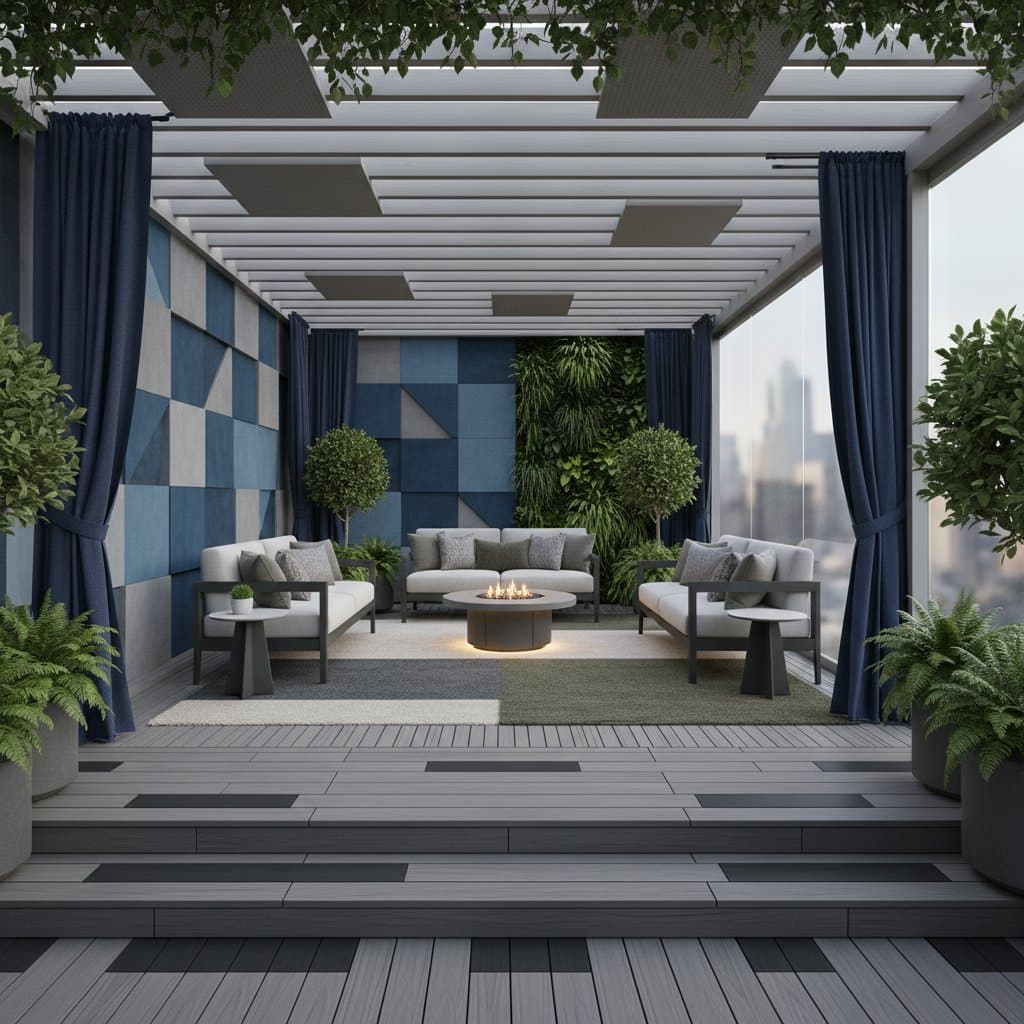
Secure acoustic panels directly to deck walls or railings for targeted sound absorption. Select panels rated for outdoor use, crafted from durable materials such as recycled rubber or mineral fiber, which withstand moisture and temperature fluctuations. These panels typically absorb 8 to 10 decibels of reflected noise, depending on thickness and placement. Position them at even intervals along the side of the deck facing the primary noise source, such as traffic or neighbors. Maintain a 1-inch air gap between each panel and the surface to enhance sound wave absorption without compromising stability. For railings, use lightweight, clip-on screens that attach without permanent fixtures, allowing easy removal during off-seasons.

5. Create Defined Zones with Pods or Partitions

For expansive or open decks, divide the area into quieter subsections using acoustic garden pods or modular privacy screens. An acoustic pod functions as a semi-enclosed unit with insulated walls that form an intimate sound-dampening enclosure, ideal for activities like reading or meditation. Assemble these from prefabricated kits featuring interlocking panels secured by screws or brackets, ensuring a snug fit that minimizes sound penetration. Opt for models with integrated roofs to achieve up to 15 decibels of additional reduction from overhead noise. Position the pod in a corner or central spot, anchoring it to the deck floor with weatherproof ties to resist wind. Privacy screens, made from fabric-wrapped foam or bamboo composites, offer a less permanent alternative, folding away when not in use.

6. Incorporate Sound-Masking Features

Enhance the acoustic environment by adding subtle background sounds that blend with and obscure intrusive noises. Install a compact water feature, such as a tabletop fountain or a stone bubbling basin, to produce a continuous, soothing hum. These elements effectively mask urban clamor like car horns or conversations from up to 20 feet away. Place the water source at least 3 feet from primary seating areas to avoid disruptive splashes or excess humidity. Alternatively, integrate low-volume outdoor speakers tuned to play ambient nature tracks or white noise at 40 to 50 decibels. Wire them through weatherproof channels and connect to a timer for automated operation during peak noise hours, ensuring the sound remains gentle and unobtrusive.

7. Evaluate and Refine the Setup

Conduct thorough testing by spending time on the deck during periods of high ambient noise, such as rush hour or evening gatherings. Listen attentively to pinpoint areas where sound infiltrates, noting echoes or persistent tones. Experiment with repositioning elements: shift a heavy planter to block a low-frequency rumble, install an additional panel near a reflective surface, or extend a curtain rod to overlap the deck edge by 6 inches for better coverage. Document changes with simple notes on noise levels before and after adjustments, using a free smartphone decibel meter app for precision. Repeat this process over a week to fine-tune the configuration, achieving optimal quiet without overcomplicating the design.

Essential Safety Considerations

Prioritize protection during installation by wearing safety glasses whenever operating power tools on wood or concrete surfaces. Verify the stability of all suspended items, such as curtains or panels, by testing them against expected wind speeds up to 30 miles per hour. Route any electrical components, like speaker wires or fountain pumps, away from water features and plug them into grounded, outdoor-rated receptacles with GFCI protection. Avoid placing excessive weight on railings; distribute loads evenly and limit planters to 20 pounds per linear foot unless reinforcements are added.

Monitor the deck's integrity after introducing new elements. If you observe flexing, creaking, or sagging in the flooring or supports, promptly remove added weight and consult building codes for load-bearing assessments. Secure loose hardware monthly to prevent accidents from shifting materials.

Common Issues and Solutions

Excessive Curtain Movement in Breezy Conditions: Attach small metal weights, each weighing 4 to 8 ounces, to the lower hem of fabric panels, or install discreet tie-down clips that anchor to deck hooks without visible alteration.

Persistent Echoes Beneath the Deck Structure: Affix heavy-duty sound-absorbing blankets or rigid foam panels to the undersides of floor joists using corrosion-resistant staples or adhesive hooks. Cover at least 70 percent of the exposed area to trap reverberations effectively.

Moisture Accumulation Under Area Rugs: Elevate rugs on 1-inch risers or slatted bases to promote airflow, and perform weekly lifts to air-dry them fully. Select rugs constructed from breathable, quick-drying synthetics with built-in drainage perforations for longevity in damp climates.

Struggling Plant Growth in Low-Light Areas: Select resilient species adapted to partial shade, including boxwood shrubs or English laurel, which thrive with 4 to 6 hours of indirect sunlight daily. Supplement with slow-release fertilizers formulated for container plants to boost vitality without overwatering.

Cost Estimates and Project Timeline

A fundamental soundproofing project, incorporating basic layers and panels, generally ranges from 250 to 700 dollars in total expenses, influenced by material quality and scale. Acoustic panels and custom curtains represent the primary investments, often accounting for 60 percent of the budget. Most installations require 1 to 2 weekends of effort, assuming access to basic tools like drills and levels. Advanced options, such as a fully enclosed acoustic pod, may escalate costs to 1500 dollars or higher, yet they provide enduring benefits like extended seasonal use.

Reduce expenditures through resourceful choices: source second-hand rugs from local marketplaces or repurpose household fabrics for DIY panels. Construct custom planter boxes from reclaimed lumber, cutting costs by up to 40 percent. Begin with targeted improvements on the noisiest side of the deck, scaling up as budget allows for a phased approach that minimizes disruption.

Ongoing Care Routines

Inspect acoustic panels and fabric elements quarterly for signs of mildew, UV fading, or structural wear. Gently clean textiles using a solution of mild soap diluted in lukewarm water, rinsing thoroughly and air-drying in shaded areas. Tighten screws, brackets, and hooks at the start of each season to maintain secure attachments. Swiftly replace any compromised panels to avoid diminished performance and potential sound pathways.

For planted barriers, prune foliage regularly to ensure adequate circulation and deter fungal growth. If employing an outdoor pod, examine roof seams and ventilation ports monthly, applying silicone sealant as needed. Interior wipe-downs with a damp cloth prevent condensation-related issues, preserving the unit's acoustic integrity year-round.

Seasonal Maintenance Schedule

Spring Preparation: Thoroughly launder all removable fabrics and apply fresh sealant to wooden components to protect against swelling from rain.

Summer Adjustments: Introduce shade sails or umbrellas if intensified sunlight heightens reflective noise, positioning them to diffuse harsh echoes.

Fall Storage: Relocate delicate fabric panels and electronics indoors ahead of heavy rains or frost to extend their service life.

Winter Protection: Encase planters in breathable burlap wraps and clear accumulated ice from surfaces to safeguard roots and prevent structural strain.

Consistent adherence to this routine sustains both acoustic effectiveness and the deck's overall durability.

Indicators for Professional Assistance

Engage a contractor if your deck exhibits foundational instability, such as uneven settling or visible cracks in supports, before adding soundproofing layers. Seek expert help for electrical integrations involving multiple outlets or complex wiring to comply with local codes. When designing custom enclosures that alter the deck's footprint, consult a licensed builder to ensure wind load compliance and permit requirements. Professionals equipped with specialized acoustic testing tools can also diagnose persistent noise issues beyond basic adjustments, delivering precise solutions tailored to your setup.

You Might Also Like

Turn Your Balcony into a Pollinator Refuge

Creating a Balcony Microclimate for Plants Year-Round

Shape Deck Zones to Stay Comfortable All Year

Micro-Misting Drops Balcony Heat 20° in Seconds

Native Plants Turn Balconies into Bee Havens

Tagged:

garden,outdoor,pods,acoustic,noise,reduction,soundproof,spaces,acoustic-garden-pods,soundproof-outdoor-spaces

Recent by Sheila Spaulding

Image for Turn Your Balcony into a Pollinator Refuge

Turn Your Balcony into a Pollinator Refuge

Mar 19, 2026
Image for Shape Deck Zones to Stay Comfortable All Year

Shape Deck Zones to Stay Comfortable All Year

Mar 18, 2026
Image for Micro-Drip Systems Cut Balcony Watering by 70 Percent

Micro-Drip Systems Cut Balcony Watering by 70 Percent

Mar 17, 2026
Image for Native Plants Turn Balconies into Bee Havens

Native Plants Turn Balconies into Bee Havens

Mar 16, 2026
Image for Creating Deck Zones That Work in Every Season

Creating Deck Zones That Work in Every Season

Mar 15, 2026

garden

Image for Turn Your Balcony into a Pollinator Refuge

Turn Your Balcony into a Pollinator Refuge

Mar 19, 2026
Image for Native Plants Turn Balconies into Bee Havens

Native Plants Turn Balconies into Bee Havens

Mar 16, 2026
Image for Smart Apps Map Microclimates for Ideal Deck Builds

Deck Construction & Remodeling

Living Pergolas Cool Decks Through Natural Shade

Transform your deck into a shaded, verdant escape using a living pergola. This comprehensive guide details material selection, structural assembly, irrigation setup, and vine choices that flourish. Explore techniques to enhance shade, optimize airflow, and cultivate a sustainable oasis that enhances comfort and beauty with each passing season.

Mar 18, 2026

Shape Deck Zones to Stay Comfortable All Year

Elevate your deck into a versatile outdoor haven by implementing microclimate zones. This approach involves assessing light patterns, wind flow, and thermal areas, then applying targeted elements like portable heaters, shade structures, and strategic plantings to ensure comfort across all seasons.

Mar 18, 2026

Cool Decks Stay 20 Degrees Cooler in Summer Heat

Turn urban decks from hot hazards into cool havens with heat-reflective materials. This guide covers composites, thermally modified woods, and strategies to maintain surfaces up to 20 degrees cooler, plus practical advice on design, budget, and care for year-round enjoyment.

Categories

Deck Construction & Remodeling(223)
Balcony Design(191)
Small-Space Gardens(82)
Rooftop Decks(81)
Backyard Design(21)

Smart Apps Map Microclimates for Ideal Deck Builds

Mar 13, 2026
Image for AI Sketches Your Balcony Layout in Under a Minute

AI Sketches Your Balcony Layout in Under a Minute

Mar 13, 2026
Image for Smart Apps Read Your Rooftop's Hidden Climate

Smart Apps Read Your Rooftop's Hidden Climate

Mar 6, 2026
Mar 16, 2026

Micro-Misting Drops Deck Temperature 15 Degrees

Combat summer heat by installing a micro-misting system that reduces deck temperatures up to 15°F. This guide covers the cooling process, energy-efficient benefits, and adaptable designs for various outdoor areas. Find detailed installation instructions, troubleshooting advice, and seasonal maintenance to sustain a refreshing backyard environment.

Mar 16, 2026

Mycelium Decks Break Down Instead of Piling Up

Mycelium decks revolutionize urban outdoor areas with panels grown from fungal networks and agricultural byproducts. These lightweight, water-resistant, and fully biodegradable options provide a green alternative to traditional plastic composites. This guide covers installation, upkeep, budgeting, and strategies to maximize their lifespan while minimizing environmental impact.

Mar 15, 2026

Creating Deck Zones That Work in Every Season

Elevate your deck into a seasonal haven by developing microclimates that provide tailored comfort throughout the year. Explore strategies for zoning, shading, heating, and organizing with durable materials, strategic lighting, and efficient storage solutions. Achieve prolonged outdoor use while enhancing energy efficiency, visual appeal, and safety measures.

Mar 15, 2026

Glass Domes Keep Your Deck Open All Year

Elevate your deck into a versatile, all-season haven using glass domes or retractable pergolas. Gain insights into selecting materials, executing installations, and performing upkeep to maintain a bright, comfortable area for winter mornings or summer evenings alike.

Mar 14, 2026

Solar Pavers Store Sunlight and Charge Your Phone

Elevate your outdoor spaces with solar pavers that capture daylight to provide nighttime illumination and device charging capabilities. This comprehensive guide details their functionality, installation requirements, upkeep recommendations, expense considerations, and safety protocols to help you build an efficient, luminous environment that performs reliably throughout the year with little ongoing work.

Mar 14, 2026

Smart Apps Map Microclimates for Ideal Deck Builds

Smart apps uncover microclimate nuances in your yard, from sunlight exposure to wind flow and moisture levels. These tools guide material selection, layout planning, and design choices to create durable, comfortable decks. Transform local data into a strategic plan for your perfect outdoor area.

Mar 13, 2026

Pergola Pods Turn Decks Into Year-Round Retreats

Elevate your deck with a pergola pod, a versatile structure that provides shade, protection, and aesthetic appeal. This guide covers planning, construction, upkeep, and strategies to maximize seasonal use, ensuring comfort in any weather.

Mar 12, 2026

Solar Pergolas Cut Cooling Costs While Powering Your Deck

Elevate your deck with a solar pergola that offers shade and produces clean energy. This comprehensive guide details planning, material choices, installation steps, safety measures, troubleshooting, budgeting, and maintenance. Discover how to build a durable structure that cuts energy expenses and enhances outdoor comfort.

Mar 11, 2026

Micro-Misting Drops Deck Heat 15° Without Puddles

Micro-misting provides an effective solution to transform sweltering decks into comfortable retreats, reducing temperatures by up to 15 degrees through fine water droplets. This guide details the science behind the cooling, lists necessary tools and materials, outlines installation processes, addresses safety considerations, and offers maintenance advice for reliable performance throughout the season.

Mar 11, 2026

Mycelium Decks Grow Strength from Fungal Roots

Mycelium decks leverage fungal networks to create biodegradable, waste-derived outdoor flooring that enhances urban sustainability. This resource provides practical instructions for building resilient panels that integrate nature into city living, including material selection, assembly techniques, and long-term care strategies.

Mar 11, 2026

Micro-Clover Borders Cut Deck Upkeep in Half

Revitalize weary deck borders using resilient micro-clover, a self-sustaining ground cover that thrives with little intervention. This guide details installation, care essentials, and advantages like reduced mowing and enhanced aesthetics for compact urban spaces.

Mar 10, 2026

Set Up Drip Irrigation for Deck Containers

Elevate deck gardening with a micro-drip irrigation system that automates watering for consistent plant health. This guide covers planning, installation, and maintenance to save time, reduce water use, and ensure thriving containers in urban settings.

Mar 8, 2026

Soundproof Your Deck with Layers and Soft Surfaces

Convert a bustling urban deck into a serene haven through effective soundproofing techniques. This guide details sealing gaps, layering soft materials, installing acoustic panels, and integrating natural barriers like plants and curtains to foster a private, relaxing environment that balances style and acoustic control.

Mar 8, 2026

Solar Pergolas Cut Deck Heat While Powering Your Home

Elevate your deck with a solar pergola that offers shade from heat and produces renewable energy. This comprehensive guide details design options, material choices, step-by-step installation, safety measures, and upkeep strategies to boost comfort, cut costs, and promote eco-friendly living in your outdoor area.

Mar 7, 2026

Native Plants Transform Deck Edges Into Pollinator Havens

Convert a plain deck into a bustling pollinator sanctuary using native plant borders. This guide covers design principles, plant selection, planting techniques, and maintenance strategies to attract bees, butterflies, and birds with minimal effort. Explore practical advice, recommended species, and care essentials for a vibrant, eco-friendly outdoor space.

Mar 7, 2026

Acoustic Panels Cut Deck Noise by 30 to 50 Percent

Elevate a bustling deck to a tranquil sanctuary via outdoor acoustic panels. This resource covers selecting resilient materials, orchestrating installations, and upholding acoustic efficacy throughout the year. Acquire actionable guidance, cost-saving advice, and aesthetic concepts to neutralize city clamor, enhance seclusion, and foster relaxed, conducive outdoor interactions.

Mar 6, 2026

Solar Pergolas Blend Shade With Clean Energy Generation

Elevate your deck with a solar pergola that offers shade and generates clean energy. This comprehensive guide details design strategies, material choices, installation processes, safety measures, and ongoing maintenance to achieve a balance of comfort, eco-friendliness, and visual elegance for discerning homeowners eyeing 2026 upgrades.

Mar 6, 2026