Loading...

How to Turn 100 Sq Ft into a Thriving Urban Meadow | urbanoutdoorsnyc.com | Urban Outdoors - Small-Space Gardens, Rooftop Decks, Balconies, Decks, Backyard Design
Skip to main content
Urban Outdoors
Search
Home
  1. Home
  2. /
  3. Small-Space Gardens
  4. /
  5. Turn 100 Square Feet Into a Thriving Urban Meadow
Small-Space Gardens

Turn 100 Square Feet Into a Thriving Urban Meadow

bySheila Spaulding
2026-02-27 05:30:45February 27, 2026
5 min read
Featured image for Turn 100 Square Feet Into a Thriving Urban Meadow

Categories

Navigation

  • Home
  • All Articles
  • About Us
  • Privacy Policy
  • Terms of Service

© 2026 Urban Outdoors. Crafted for bold city dwellers.

2026-02-27 05:30:45
Urban Outdoors - Small-Space Gardens, Rooftop Decks, Balconies, Decks, Backyard Design

Discover the Joy of Mini Meadow Pocket Parks Under 100 Square Feet

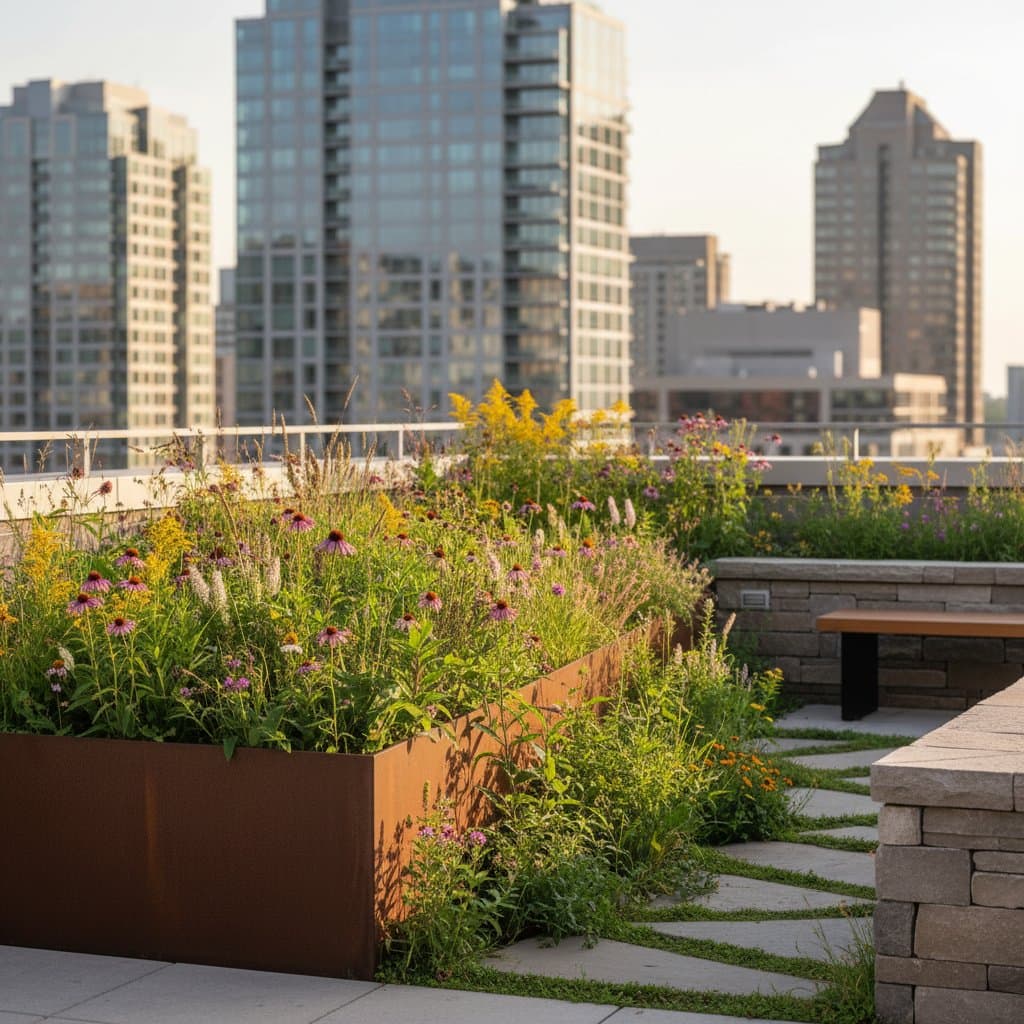
City living often limits access to nature, yet even the smallest spaces hold potential for transformation. A mini meadow pocket park occupies less than 100 square feet, delivering bursts of color, essential habitats for pollinators, and moments of peace amid urban hustle. These compact green areas suit apartment balconies, shared rooftops, or sidewalk-adjacent setbacks, turning overlooked spots into inviting natural retreats.

The process begins with understanding your space's unique conditions, such as sunlight exposure and foot traffic. Native plants form the foundation, thriving with minimal intervention while supporting local ecosystems. Follow this guide to create a sustainable feature that enhances your surroundings and invites wildlife.

Selecting the Ideal Site for Your Mini Meadow

Begin by evaluating potential locations around your building or block. Prioritize areas receiving at least six hours of direct sunlight daily, as most meadow plants flourish in full sun. Measure the space to confirm it stays under 100 square feet, ensuring manageability.

Consider soil quality and drainage. Test by digging a small hole; water should percolate through without pooling. Avoid high-traffic zones where plants might suffer damage, but select spots visible to encourage community appreciation. For elevated areas like decks, verify structural support to handle added weight from soil and water.

Sketch a simple layout, marking sun patterns, existing features, and borders. This planning step prevents common pitfalls and maximizes the meadow's impact.

Essential Tools and Materials for Construction

Gather basic supplies to prepare and install your meadow efficiently. Focus on durable, eco-friendly options that align with low-impact gardening principles.

Required Tools:

  • Hand trowel or compact spade for precise digging and planting.
  • Measuring tape, extending to at least 10 feet, to define boundaries accurately.
  • Watering can or hose equipped with a gentle spray nozzle to avoid disturbing seeds.
  • Sturdy gloves and sharp pruners for safe handling and trimming.
  • Rake with fine teeth to smooth and level soil surfaces.

Key Materials:

  • Regional native seed mix, approximately 2 ounces per 100 square feet, selected for pollinator attraction and drought tolerance.
  • Organic compost or topsoil amendment, 2 to 3 cubic feet, to enrich poor urban dirt.
  • Organic mulch or straw layer, applied lightly to retain moisture and suppress weeds.
  • Natural border elements, such as untreated lumber edging or river stones, to define edges cleanly.
  • Optional raised beds or planter boxes for rooftops or uneven ground, constructed from recycled wood.

Source materials from local nurseries to ensure compatibility with your climate zone.

Prioritizing Safety During Installation and Use

Safety ensures a smooth project and long-term enjoyment. Always wear protective gloves when working with soil or compost to shield skin from potential irritants.

For elevated installations, consult building guidelines on load capacities; saturated soil weighs up to 12 pounds per square foot. Secure borders firmly to eliminate tripping hazards, and maintain clear pathways around the meadow.

Steer clear of synthetic fertilizers and chemical pesticides, which threaten beneficial insects. Opt for organic alternatives if needed, and position the meadow away from play areas if children or pets frequent the space.

Planning Your Budget and Timeline

A 100-square-foot mini meadow requires an investment of $75 to $150, making it accessible for urban gardeners. Allocate funds wisely to cover essentials without excess.

Breakdown of costs:

  • Native seed mix: $20 to $40, depending on variety and quantity.
  • Compost and soil amendments: $25 to $50 for quality organic blends.
  • Edging materials or basic planters: $30 to $60, favoring reusable options.

Dedicate one full weekend to preparation and planting: Day one for clearing and soil work, Day two for sowing and mulching. Once established, which takes 4 to 6 weeks, maintenance demands under one hour monthly, focusing on occasional watering and weeding.

Efficient Storage Solutions for Meadow Care

Organize tools to facilitate regular upkeep, preserving the meadow's health. Use a compact, weather-resistant storage unit like a deck box or sealed bin placed near the site.

Store essentials including gloves, trowel, rake, spare seed packets, and watering accessories. Position the container adjacent to a reliable water source for convenience.

Label items clearly to streamline access, and inspect storage periodically to prevent moisture damage. This setup encourages consistent care without disrupting daily routines.

Step-by-Step Guide to Planting Your Meadow

Clear the site first by removing weeds, debris, and any pavement. Loosen the top 4 to 6 inches of soil and incorporate compost evenly for nutrient boost.

Broadcast seeds uniformly across the prepared area, following package rates for density. Rake lightly to cover seeds with a thin soil layer, then water gently to settle them.

Apply mulch sparingly to conserve moisture while allowing seedlings to emerge. Monitor germination over the first few weeks, thinning crowded spots if necessary.

Ongoing Maintenance for Lasting Vitality

Water newly planted meadows consistently until roots establish, then rely on rainfall for drought-resistant natives. Weed by hand every two weeks during the first season to favor desired plants.

In spring, add a light compost top-dress; in fall, trim spent growth to refresh the area. Observe pollinator activity and adjust plant mixes annually for diversity.

This minimal routine yields a self-sustaining feature that requires little effort beyond seasonal checks.

Embracing the Benefits of Your Urban Sanctuary

Your mini meadow extends beyond aesthetics, fostering biodiversity by providing nectar for bees and butterflies. It creates calming vistas that reduce urban stress, promoting mental well-being for residents.

Share the space with neighbors to build community ties, or use it as a quiet retreat for reading. Over time, witness how this small investment transforms daily life, bridging the gap between city concrete and natural harmony.

You Might Also Like

Shape Deck Zones to Stay Comfortable All Year

Creating Deck Zones That Work in Every Season

Smart Apps Map Microclimates for Ideal Deck Builds

AI Sketches Your Balcony Layout in Under a Minute

Turning Your Deck Into a Native Pollinator Haven

Tagged:

design,pocket,park

Recent by Sheila Spaulding

Image for Turn Your Balcony into a Pollinator Refuge

Turn Your Balcony into a Pollinator Refuge

Mar 19, 2026
Image for Shape Deck Zones to Stay Comfortable All Year

Shape Deck Zones to Stay Comfortable All Year

Mar 18, 2026
Image for Micro-Drip Systems Cut Balcony Watering by 70 Percent

Micro-Drip Systems Cut Balcony Watering by 70 Percent

Mar 17, 2026
Image for Native Plants Turn Balconies into Bee Havens

Native Plants Turn Balconies into Bee Havens

Mar 16, 2026
Image for Creating Deck Zones That Work in Every Season

Creating Deck Zones That Work in Every Season

Mar 15, 2026

design

Image for Shape Deck Zones to Stay Comfortable All Year

Shape Deck Zones to Stay Comfortable All Year

Mar 18, 2026
Image for Creating Deck Zones That Work in Every Season

Creating Deck Zones That Work in Every Season

Mar 15, 2026
Image for Smart Apps Map Microclimates for Ideal Deck Builds

Small-Space Gardens

Garden Walls That Block 70% City Noise in Small Spaces

Convert a bustling urban balcony or patio into a tranquil haven using a garden wall that diminishes up to 70 percent of city noise. This guide covers selecting optimal materials, installing sound-absorbing panels, incorporating plants, and performing upkeep to achieve enduring noise mitigation, seclusion, and aesthetic appeal in just one weekend.

Mar 21, 2026

Turn Your Balcony into a Pollinator Refuge

Elevate your balcony into a flourishing pollinator retreat featuring native flowers, basic equipment, and thoughtful maintenance. This guide demonstrates how modest planters can support bees and butterflies, boost city biodiversity, and add vivid hues to apartment living with limited space, expense, and mere minutes of daily attention.

Mar 19, 2026

Native Plants Turn Balconies into Bee Havens

Elevate your balcony into a vibrant pollinator sanctuary by incorporating native plants that support bees year-round. This guide covers plant selection for diverse blooms, optimal setup in containers, essential care routines, and strategies to ensure safety and longevity in compact urban spaces.

Categories

Deck Construction & Remodeling(223)
Balcony Design(191)
Small-Space Gardens(82)
Rooftop Decks(81)
Backyard Design(21)

Smart Apps Map Microclimates for Ideal Deck Builds

Mar 13, 2026
Image for AI Sketches Your Balcony Layout in Under a Minute

AI Sketches Your Balcony Layout in Under a Minute

Mar 13, 2026
Image for Turning Your Deck Into a Native Pollinator Haven

Turning Your Deck Into a Native Pollinator Haven

Mar 5, 2026
Mar 16, 2026

AI Sensors Cut Water Waste and End Plant Guesswork

Elevate your balcony or windowsill garden using AI sensors that track soil, light, and nutrients instantly. Discover automation techniques to cut water use, avoid plant distress, and streamline maintenance for precise, rewarding results in urban settings.

Mar 12, 2026

Balcony Gardens That Feed City Bees in 5 Containers

Turn a compact balcony into a vital habitat for pollinators using simple containers and native flora. This practical guide details plant selections, setup tips, and maintenance routines that draw bees, support ecosystems, and elevate city greenery.

Mar 12, 2026

AI Cuts Balcony Watering Work by Half

Transform your urban balcony into a vibrant garden using AI-powered watering technology. Intelligent sensors and mobile applications eliminate uncertainty in plant hydration, conserve resources, and maintain lush growth. Discover setup methods, personalization options, and upkeep strategies that require no advanced horticultural skills, only innovative tools.

Mar 8, 2026

Using Plants to Block Noise in Tiny City Gardens

Turn a bustling urban garden into a tranquil haven by leveraging plants to dampen noise. Dense shrubs, varied greenery layers, and textured plants work together to absorb and redirect sound waves. Gain insights into optimal plant selections, arrangement techniques, and upkeep advice for a vibrant, noise-mitigating retreat.

Mar 6, 2026

Plants That Absorb City Noise on Small Balconies

Turn a bustling city balcony into a tranquil haven using sound-absorbing plants. This guide covers optimal choices like bamboo, ferns, vines, and evergreens, plus arrangement strategies, container tips, and upkeep advice to enhance quiet and aesthetics in limited spaces.

Mar 3, 2026

Turn 100 Square Feet Into a Thriving Urban Meadow

Revitalize neglected urban corners into serene, pollinator-friendly meadows within 100 square feet. Explore practical steps for site assessment, selecting native plants, installation, and ongoing care to foster biodiversity and tranquility in city environments.

Feb 27, 2026

Balcony Fish Tanks Feed Plants While Cleaning Water

Convert your balcony into a compact, self-sustaining garden using aquaponics. Fish provide nutrients for plants, which in turn cleanse the water, enabling continuous harvests of lettuce and herbs. Explore setup, maintenance, and tips for efficient urban food production that reduces costs and environmental impact.

Feb 27, 2026

Silent Drip Tape Solves Deck Container Watering

Convert a compact deck into a vibrant garden using silent drip tape. This low-pressure system delivers precise hydration to container plants without generating noise or wasting resources. Follow steps to plan, install, and maintain the setup for reliable moisture, reduced maintenance, and an enhanced urban outdoor space.

Feb 22, 2026

Fish Waste Feeds Plants in 4x6 Feet of Space

Convert your balcony into a self-sustaining food system with aquaponics, where fish and plants support each other in a closed-loop setup. This guide details how to design, assemble, and maintain a compact system in a 4x6-foot space, yielding fresh greens and nutritious fish while conserving water and eliminating synthetic fertilizers.

Feb 16, 2026

Dwarf Fruit Trees Turn Balconies into Productive Orchards

Transform your balcony into a productive micro-orchard with dwarf fruit trees designed for containers. These compact varieties deliver full-sized flavor from citrus, figs, apples, peaches, and cherries. Follow expert guidance on selection, setup, and maintenance to harvest fresh fruit, add seasonal beauty, and create a serene urban retreat.

Feb 16, 2026

Build Living Walls That Block Urban Noise

Urban noise can disrupt outdoor enjoyment, but a well-designed living wall offers an effective solution. This guide details how to construct an acoustic plant barrier that reduces sound, boosts greenery, and improves air quality in compact yards. Follow these practical steps to install a sustainable feature that requires minimal ongoing effort.

Feb 15, 2026

AI Drip Systems End Uneven Deck Garden Watering

Elevate your deck garden with AI-powered drip irrigation that maintains ideal soil moisture through sensors, intelligent controls, and adaptive algorithms. This guide covers planning, setup, and optimization for a hassle-free, eco-friendly watering solution tailored to urban outdoor spaces.

Feb 14, 2026

Dwarf Fruit Trees Bring Fresh Harvest to Your Balcony

Transform your balcony into a productive mini orchard using dwarf fruit trees. Select suitable varieties, containers, and soil mixtures, and follow guidance on pruning, watering, and seasonal maintenance. Harvest pesticide-free fruit, gain lush greenery, and create a serene urban oasis.

Feb 12, 2026

Pergolas That Fit Balconies Under Six Feet Wide

Turn a narrow balcony into a private outdoor haven with a compact pergola under six feet wide. This guide covers planning essentials, step-by-step construction, material choices, safety measures, budget considerations, and maintenance strategies to create a functional shaded retreat in urban environments.

Feb 11, 2026

AI Sensors Text Care Reminders to Your Balcony Plants

Struggling to keep balcony plants healthy in the city? AI-powered sensors eliminate guesswork by monitoring key conditions like soil moisture, light exposure, and humidity. These devices send direct text reminders to your phone, guiding you toward optimal care and vibrant growth year-round.

Feb 9, 2026

AI Plant Walls Cut Daily Watering to 10 Minutes a Week

Convert urban walls into thriving, self-sustaining gardens using AI plant walls. These innovative systems manage irrigation, lighting, and nutrients automatically, delivering lush foliage with minimal effort while boosting indoor air purity and aesthetic appeal.

Feb 7, 2026

Watering 50+ Pots From a Single Faucet

Convert your balcony's potted plants into a low-maintenance green haven using a micro-drip irrigation system. This practical guide details automatic watering for more than 50 pots, eliminating daily tasks while ensuring optimal hydration. Explore essential tools, installation from testing to timing, plus solutions for common issues and upkeep strategies for sustained success.

Feb 2, 2026