Loading...

AI Sensors Reduce Water Waste and Eliminate Guesswork in Urban Gardening | urbanoutdoorsnyc.com | Urban Outdoors - Small-Space Gardens, Rooftop Decks, Balconies, Decks, Backyard Design
Skip to main content
Urban Outdoors
Search
Home
  1. Home
  2. /
  3. Small-Space Gardens
  4. /
  5. AI Sensors Cut Water Waste and End Plant Guesswork
Small-Space Gardens

AI Sensors Cut Water Waste and End Plant Guesswork

byDawn Hayden
2026-03-12 04:59:59March 12, 2026
5 min read
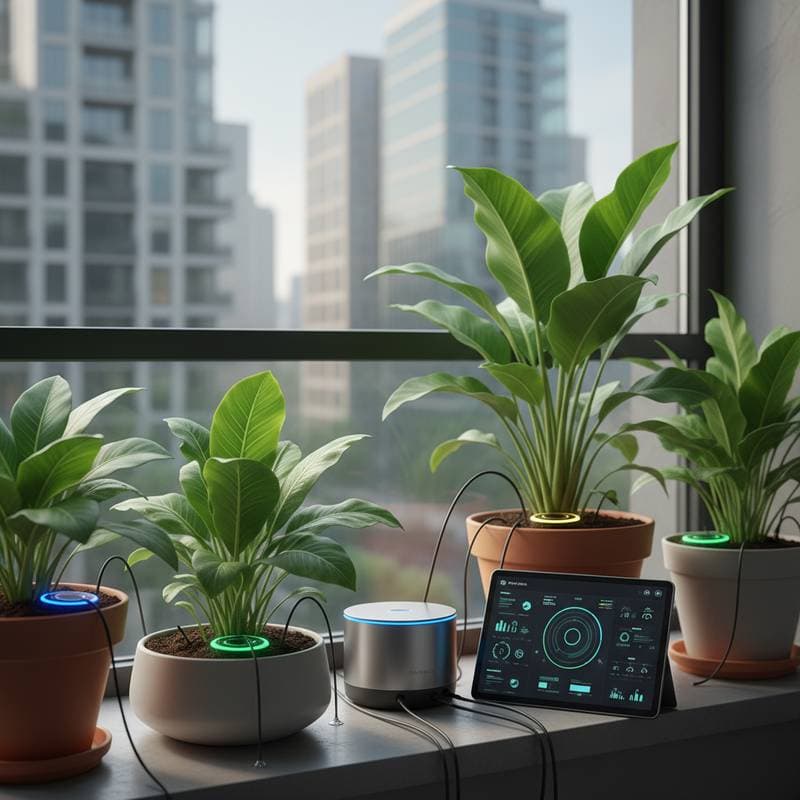
Featured image for AI Sensors Cut Water Waste and End Plant Guesswork

Categories

Navigation

  • Home
  • All Articles
  • About Us
  • Privacy Policy
  • Terms of Service

© 2026 Urban Outdoors. Crafted for bold city dwellers.

2026-03-12 04:59:59
Urban Outdoors - Small-Space Gardens, Rooftop Decks, Balconies, Decks, Backyard Design

Troubleshooting Common Issues

Sensors provide reliable data, but occasional glitches occur. Address them promptly to maintain optimal plant health.

No Data Displayed on the App

Verify the sensor's battery level first. If low, recharge or replace it. Next, confirm a stable Wi-Fi connection; weak signals disrupt data transmission. Perform a reset by holding the power button for ten seconds, then re-pair the device through the app's settings menu.

Plants Droop Despite Recent Watering

Examine the moisture history in the app to identify patterns. If soil moisture remains above 40 percent for extended periods, decrease watering intervals to allow roots access to oxygen. Consider repotting into a well-draining mix if compaction contributes to the issue.

Yellowing or Pale Leaves Appear

Consult the nutrient readings provided by the sensor. Low levels, often measured in parts per million, indicate deficiencies. Prepare a balanced liquid fertilizer diluted to half strength and apply according to the product's guidelines. Monitor progress over the next week for improvements.

Routine Maintenance Practices

Regular upkeep ensures sensors deliver accurate information over time. Dedicate time each month to these essential tasks.

Gently clean the sensor probes with a soft, damp cloth every two to three weeks. Remove any dust or mineral deposits that could skew measurements. Recharge batteries when the indicator drops below 20 percent, or swap in fresh ones for uninterrupted service.

Inspect grow lights for dust accumulation and wipe them clean. Examine drip lines for blockages; flush them with water if necessary. In humid environments, promote daily airflow around the setup to prevent moisture buildup on electronics and reduce corrosion risk.

Refresh the potting mix annually to support vigorous root development. This practice replenishes nutrients and prevents soil-borne issues that affect sensor accuracy.

Proper Storage Guidelines

Prepare your system for downtime to protect components from damage. Follow these steps during off-seasons or extended vacations.

Disconnect the automated watering components and drain all residual water to avoid stagnation. Relocate electronic parts, including sensors and controllers, to a cool, dry indoor cabinet. Organize cables and adapters with labels for straightforward reconnection later.

For solar-powered models, wash the panels using mild soap and water to remove debris. Dry them thoroughly before storage. This preparation preserves functionality and extends the equipment's service life.

Investment and Time Considerations

Initial costs vary based on scale, but benefits quickly offset expenses. Plan accordingly for a sustainable setup.

A basic configuration, featuring one sensor, a single watering valve, and a smart plug, ranges from 80 to 150 dollars. Expanding to a complete balcony array with three or four planters increases investment to 300 to 400 dollars. Assembly typically requires one to two hours, depending on familiarity with the tools.

Weekly maintenance demands approximately 15 minutes, focusing on data review and minor adjustments. Savings emerge rapidly through lower water usage and preserved plants, often recouping costs in a single growing cycle.

Professional Assistance Scenarios

Certain installations exceed standard DIY capabilities. Seek expert help to ensure safety and compliance.

Engage a licensed electrician for hardwiring grow lights or integrating sensors with outdoor power sources. This prevents electrical hazards in exposed areas. For rooftop applications, consult your building manager regarding weight restrictions prior to positioning planters.

If the irrigation setup experiences leaks or overflows, hire a plumber to install a pressure regulator or backflow preventer. These measures safeguard your system and surrounding infrastructure.

Seasonal Care Adjustments

Adapt your routine to environmental shifts for consistent performance. These reminders align sensor use with natural cycles.

  • Spring Preparation: Calibrate all sensors prior to introducing new seedlings or transplants. This establishes baseline readings for the season.
  • Summer Vigilance: Monitor soil data each day during prolonged heat. Increase shading or ventilation if temperatures exceed plant tolerances.
  • Autumn Transition: Shorten watering intervals as cooler weather reduces evaporation rates. Harvest mature crops to free space for adjustments.
  • Winter Protection: Relocate sensors to indoor locations or apply frost-resistant insulation to outdoor units. Pause automation to conserve energy.

Implement these checks to sustain precision and prolong equipment durability.

Essential Insights

AI sensors elevate small-space gardening by delivering precise monitoring of soil moisture, light exposure, temperature fluctuations, and nutrient levels. This data translates into targeted interventions that minimize errors and maximize yields.

Users gain confidence through real-time alerts and historical trends, fostering a deeper understanding of plant needs. The result proves a more efficient, enjoyable approach to urban cultivation.

Steps to Implement Smart Gardening

Transition to an intelligent system with these practical measures. Begin incrementally to build expertise.

  1. Initiate with a Single Unit: Place one sensor in your primary planter. Observe how readings evolve daily, noting correlations with plant responses.
  2. Integrate Automation Gradually: Once comfortable with the basics, incorporate a smart valve for watering or a timer for lights. Test integrations in controlled conditions.
  3. Experiment with Data: Leverage insights to trial different plant varieties or arrangement configurations. Align moisture and light profiles to species-specific requirements for optimal growth.

Adopting AI-guided methods streamlines care, cuts down on guesswork, and amplifies success in compact areas. Your urban oasis flourishes with enhanced vitality and reduced effort throughout the year.

You Might Also Like

Smart Shade Sails Cut Rooftop Heat by 30 Degrees

Living Pergolas Cool Decks Through Natural Shade

Creating a Balcony Microclimate for Plants Year-Round

Smart Drip Systems Keep Balcony Plants Thriving

AI Irrigation Systems Cut Balcony Watering to Zero

Tagged:

gardening,sensors,smart,automated,watering,automated-watering,smart-gardening,ai-sensors

Recent by Dawn Hayden

Image for Balcony Microclimates: Your Key to Year-Round Comfort

Balcony Microclimates: Your Key to Year-Round Comfort

Mar 22, 2026
Image for Mushroom-Based Deck Tiles Cut Carbon and Maintenance

Mushroom-Based Deck Tiles Cut Carbon and Maintenance

Mar 22, 2026
Image for Garden Walls That Block 70% City Noise in Small Spaces

Garden Walls That Block 70% City Noise in Small Spaces

Mar 21, 2026
Image for Smart Shade Sails Cut Rooftop Heat by 30 Degrees

Smart Shade Sails Cut Rooftop Heat by 30 Degrees

Mar 20, 2026
Image for Rooftop Decks Stay 40% Cooler with Shade Sails

Rooftop Decks Stay 40% Cooler with Shade Sails

Mar 17, 2026

gardening

Image for Creating a Balcony Microclimate for Plants Year-Round

Creating a Balcony Microclimate for Plants Year-Round

Mar 18, 2026
Image for Smart Apps Read Your Rooftop's Hidden Climate

Smart Apps Read Your Rooftop's Hidden Climate

Mar 6, 2026
Image for Solar Drip Systems Cut Deck Garden Water Waste 80%

Small-Space Gardens

Garden Walls That Block 70% City Noise in Small Spaces

Convert a bustling urban balcony or patio into a tranquil haven using a garden wall that diminishes up to 70 percent of city noise. This guide covers selecting optimal materials, installing sound-absorbing panels, incorporating plants, and performing upkeep to achieve enduring noise mitigation, seclusion, and aesthetic appeal in just one weekend.

Mar 21, 2026

Turn Your Balcony into a Pollinator Refuge

Elevate your balcony into a flourishing pollinator retreat featuring native flowers, basic equipment, and thoughtful maintenance. This guide demonstrates how modest planters can support bees and butterflies, boost city biodiversity, and add vivid hues to apartment living with limited space, expense, and mere minutes of daily attention.

Mar 19, 2026

Native Plants Turn Balconies into Bee Havens

Elevate your balcony into a vibrant pollinator sanctuary by incorporating native plants that support bees year-round. This guide covers plant selection for diverse blooms, optimal setup in containers, essential care routines, and strategies to ensure safety and longevity in compact urban spaces.

Categories

Deck Construction & Remodeling(224)
Balcony Design(192)
Small-Space Gardens(82)
Rooftop Decks(81)
Backyard Design(21)

Solar Drip Systems Cut Deck Garden Water Waste 80%

Feb 28, 2026
Image for The Deck Trick: Growing Gourmet Mushrooms at Home

The Deck Trick: Growing Gourmet Mushrooms at Home

Feb 26, 2026
Image for Turn Your Balcony into a Four-Season Growing Space

Turn Your Balcony into a Four-Season Growing Space

Feb 25, 2026
Mar 16, 2026

AI Sensors Cut Water Waste and End Plant Guesswork

Elevate your balcony or windowsill garden using AI sensors that track soil, light, and nutrients instantly. Discover automation techniques to cut water use, avoid plant distress, and streamline maintenance for precise, rewarding results in urban settings.

Mar 12, 2026

Balcony Gardens That Feed City Bees in 5 Containers

Turn a compact balcony into a vital habitat for pollinators using simple containers and native flora. This practical guide details plant selections, setup tips, and maintenance routines that draw bees, support ecosystems, and elevate city greenery.

Mar 12, 2026

AI Cuts Balcony Watering Work by Half

Transform your urban balcony into a vibrant garden using AI-powered watering technology. Intelligent sensors and mobile applications eliminate uncertainty in plant hydration, conserve resources, and maintain lush growth. Discover setup methods, personalization options, and upkeep strategies that require no advanced horticultural skills, only innovative tools.

Mar 8, 2026

Using Plants to Block Noise in Tiny City Gardens

Turn a bustling urban garden into a tranquil haven by leveraging plants to dampen noise. Dense shrubs, varied greenery layers, and textured plants work together to absorb and redirect sound waves. Gain insights into optimal plant selections, arrangement techniques, and upkeep advice for a vibrant, noise-mitigating retreat.

Mar 6, 2026

Plants That Absorb City Noise on Small Balconies

Turn a bustling city balcony into a tranquil haven using sound-absorbing plants. This guide covers optimal choices like bamboo, ferns, vines, and evergreens, plus arrangement strategies, container tips, and upkeep advice to enhance quiet and aesthetics in limited spaces.

Mar 3, 2026

Turn 100 Square Feet Into a Thriving Urban Meadow

Revitalize neglected urban corners into serene, pollinator-friendly meadows within 100 square feet. Explore practical steps for site assessment, selecting native plants, installation, and ongoing care to foster biodiversity and tranquility in city environments.

Feb 27, 2026

Balcony Fish Tanks Feed Plants While Cleaning Water

Convert your balcony into a compact, self-sustaining garden using aquaponics. Fish provide nutrients for plants, which in turn cleanse the water, enabling continuous harvests of lettuce and herbs. Explore setup, maintenance, and tips for efficient urban food production that reduces costs and environmental impact.

Feb 27, 2026

Silent Drip Tape Solves Deck Container Watering

Convert a compact deck into a vibrant garden using silent drip tape. This low-pressure system delivers precise hydration to container plants without generating noise or wasting resources. Follow steps to plan, install, and maintain the setup for reliable moisture, reduced maintenance, and an enhanced urban outdoor space.

Feb 22, 2026

Fish Waste Feeds Plants in 4x6 Feet of Space

Convert your balcony into a self-sustaining food system with aquaponics, where fish and plants support each other in a closed-loop setup. This guide details how to design, assemble, and maintain a compact system in a 4x6-foot space, yielding fresh greens and nutritious fish while conserving water and eliminating synthetic fertilizers.

Feb 16, 2026

Dwarf Fruit Trees Turn Balconies into Productive Orchards

Transform your balcony into a productive micro-orchard with dwarf fruit trees designed for containers. These compact varieties deliver full-sized flavor from citrus, figs, apples, peaches, and cherries. Follow expert guidance on selection, setup, and maintenance to harvest fresh fruit, add seasonal beauty, and create a serene urban retreat.

Feb 16, 2026

Build Living Walls That Block Urban Noise

Urban noise can disrupt outdoor enjoyment, but a well-designed living wall offers an effective solution. This guide details how to construct an acoustic plant barrier that reduces sound, boosts greenery, and improves air quality in compact yards. Follow these practical steps to install a sustainable feature that requires minimal ongoing effort.

Feb 15, 2026

AI Drip Systems End Uneven Deck Garden Watering

Elevate your deck garden with AI-powered drip irrigation that maintains ideal soil moisture through sensors, intelligent controls, and adaptive algorithms. This guide covers planning, setup, and optimization for a hassle-free, eco-friendly watering solution tailored to urban outdoor spaces.

Feb 14, 2026

Dwarf Fruit Trees Bring Fresh Harvest to Your Balcony

Transform your balcony into a productive mini orchard using dwarf fruit trees. Select suitable varieties, containers, and soil mixtures, and follow guidance on pruning, watering, and seasonal maintenance. Harvest pesticide-free fruit, gain lush greenery, and create a serene urban oasis.

Feb 12, 2026

Pergolas That Fit Balconies Under Six Feet Wide

Turn a narrow balcony into a private outdoor haven with a compact pergola under six feet wide. This guide covers planning essentials, step-by-step construction, material choices, safety measures, budget considerations, and maintenance strategies to create a functional shaded retreat in urban environments.

Feb 11, 2026

AI Sensors Text Care Reminders to Your Balcony Plants

Struggling to keep balcony plants healthy in the city? AI-powered sensors eliminate guesswork by monitoring key conditions like soil moisture, light exposure, and humidity. These devices send direct text reminders to your phone, guiding you toward optimal care and vibrant growth year-round.

Feb 9, 2026

AI Plant Walls Cut Daily Watering to 10 Minutes a Week

Convert urban walls into thriving, self-sustaining gardens using AI plant walls. These innovative systems manage irrigation, lighting, and nutrients automatically, delivering lush foliage with minimal effort while boosting indoor air purity and aesthetic appeal.

Feb 7, 2026

Watering 50+ Pots From a Single Faucet

Convert your balcony's potted plants into a low-maintenance green haven using a micro-drip irrigation system. This practical guide details automatic watering for more than 50 pots, eliminating daily tasks while ensuring optimal hydration. Explore essential tools, installation from testing to timing, plus solutions for common issues and upkeep strategies for sustained success.

Feb 2, 2026