
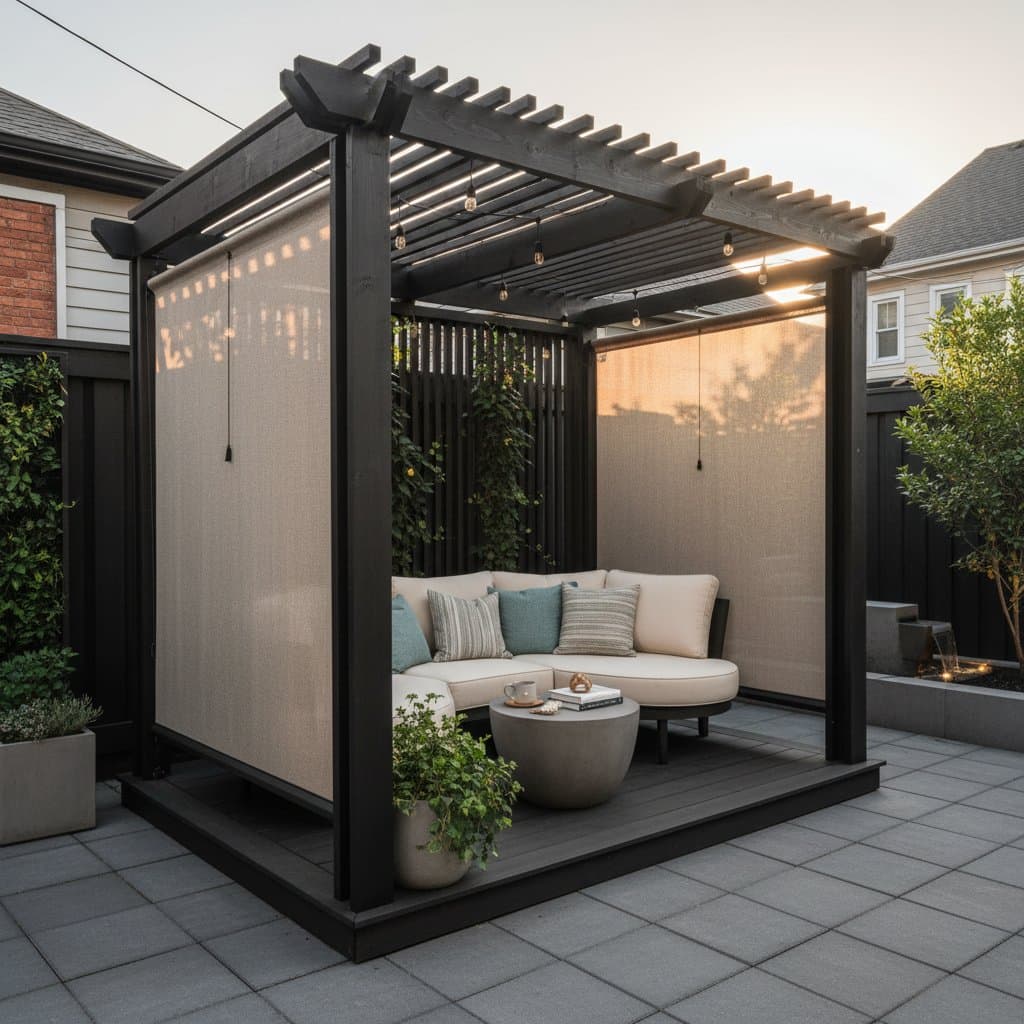
Cozy Pergola Pods: Backyard Retreats for Small Spaces
Small yards and balconies offer potential for private outdoor escapes. A pergola pod provides shade, privacy, and a quiet area to unwind, even in limited spaces. The objective remains straightforward: construct a cozy retreat that matches the available footprint and budget. This guide explains the nature of a pergola pod, its advantages, and the process to create one suited to specific needs.
Overview
A pergola pod consists of a compact open-air structure featuring a roof formed by slats or lattice. The design may stand independently or attach to an exterior wall. Its curved or rounded form creates an enclosed yet airy atmosphere. Individuals may incorporate curtains, screens, or climbing plants to enhance privacy. This structure functions as an outdoor room ideal for reading, dining, or relaxation.
The primary advantage lies in enhanced comfort. Such a pod maximizes existing space effectively. It reduces ambient noise, delivers shade, and serves as a focal point for outdoor furnishings. A modest pergola measuring approximately 6 feet by 6 feet accommodates two chairs and a small table comfortably.
Tools and Materials
Construction or assembly of a pergola pod requires basic tools and select materials.
Tools:
- Tape measure and level
- Drill equipped with bits suitable for wood or metal
- Ladder or step stool
- Safety glasses and gloves
Materials:
- Four posts, typically 4 inches by 4 inches, cut to the required height
- Crossbeams and rafters, positioned 12 to 16 inches apart
- Fasteners and brackets designed for outdoor conditions
- Shade elements such as fabric canopies or polycarbonate panels
- Optional additions including side panels, curtains, or trellis screens
Pressure-treated lumber or powder-coated metal ensures longevity. In confined areas, lighter options like aluminum or cedar maintain an open feel within the frame.
Steps
1. Measure and Mark the Site
Select a level surface with a minimum of 6 feet clearance in all directions. Use stakes to indicate post positions. Verify the absence of underground utilities prior to excavation.
2. Set the Posts
Excavate holes measuring about 12 inches in width and 18 inches in depth. Incorporate gravel for proper drainage, then position posts using concrete or surface anchors on patios. Allow sufficient curing time before applying any load.
3. Install Crossbeams and Rafters
Secure beams to the post tops with appropriate brackets. Arrange rafters at even intervals across the structure. Maintain level alignment throughout the process. A basic configuration using 2-inch by 6-inch boards provides effective shade coverage.
4. Add Shade and Privacy
Affix fabric panels, reed mats, or climbing vines to diffuse sunlight. Suspend outdoor curtains from tension rods. For increased seclusion, install lattice panels or position tall potted plants strategically.
5. Furnish and Style
Incorporate a weather-resistant rug, two chairs, and a compact table. Select cushions with removable, durable covers. For illumination during evenings, install string LED lights or position solar lanterns along the posts.
Safety Tips
Don protective gloves and eyewear during cutting or drilling operations. Ensure ladders rest on stable, level ground. When attaching the structure to a wall, verify that mounting points engage solid framing. Engage a licensed electrician for any permanent electrical installations.
Troubleshooting
Should the pergola exhibit leaning, inspect post anchors for instability. Tighten all bolts and incorporate diagonal braces to restore balance. Address drainage problems by elevating the base with pavers or additional gravel. In cases of sagging fabric, adjust grommets or opt for a tensioned frame system.
Maintenance and Storage
Examine bolts and screws biannually. Apply wood sealant every two to three years to guard against moisture damage. Store cushions indoors during periods of inclement weather. Fold and store curtains or shades in a dry container to avoid mildew formation.
Budget and Time Considerations
A modest DIY pergola pod ranges in cost from 250 to 600 dollars, contingent upon material choices. Prefabricated kits begin at approximately 500 dollars and reduce assembly time. Plan for a weekend of work with two participants. Professional installation incurs additional labor fees but guarantees precise framing and adherence to building codes.
Seasonal Reminders
Clear leaves from roof slats prior to snowfall or intense rainfall. During warmer seasons, prune climbing plants to preserve adequate airflow.
When to Call a Professional
Seek expert assistance for wall attachments, electrical wiring for lighting, or constructions on decks with undetermined load capacities. Inquire about necessary permits for structures exceeding 120 square feet or heights over 8 feet.
Your Next Steps
- Survey the yard and identify a clear 6-foot by 6-foot area for the pod.
- Draft a layout sketch and choose between wood, metal, or a prefabricated kit.
- Collect required materials and schedule a dedicated weekend for construction.
This pergola pod transforms compact spaces into inviting sanctuaries, extending outdoor enjoyment year-round.