Loading...

Unlock Balcony Microclimates with Smart Apps | urbanoutdoorsnyc.com | Urban Outdoors - Small-Space Gardens, Rooftop Decks, Balconies, Decks, Backyard Design
Skip to main content
Urban Outdoors
Search
Home
  1. Home
  2. /
  3. Small-Space Gardens
  4. /
  5. Smart Apps Read Your Balcony's Hidden Weather Zones
Small-Space Gardens

Smart Apps Read Your Balcony's Hidden Weather Zones

byDawn Hayden
2025-11-03 03:36:29November 3, 2025
5 min read
Featured image for Smart Apps Read Your Balcony's Hidden Weather Zones

Categories

Navigation

  • Home
  • All Articles
  • About Us
  • Privacy Policy
  • Terms of Service

© 2026 Urban Outdoors. Crafted for bold city dwellers.

2025-11-03 03:36:29
Urban Outdoors - Small-Space Gardens, Rooftop Decks, Balconies, Decks, Backyard Design

Unlocking Balcony Microclimates: How Smart Apps Reveal Hidden Weather Zones

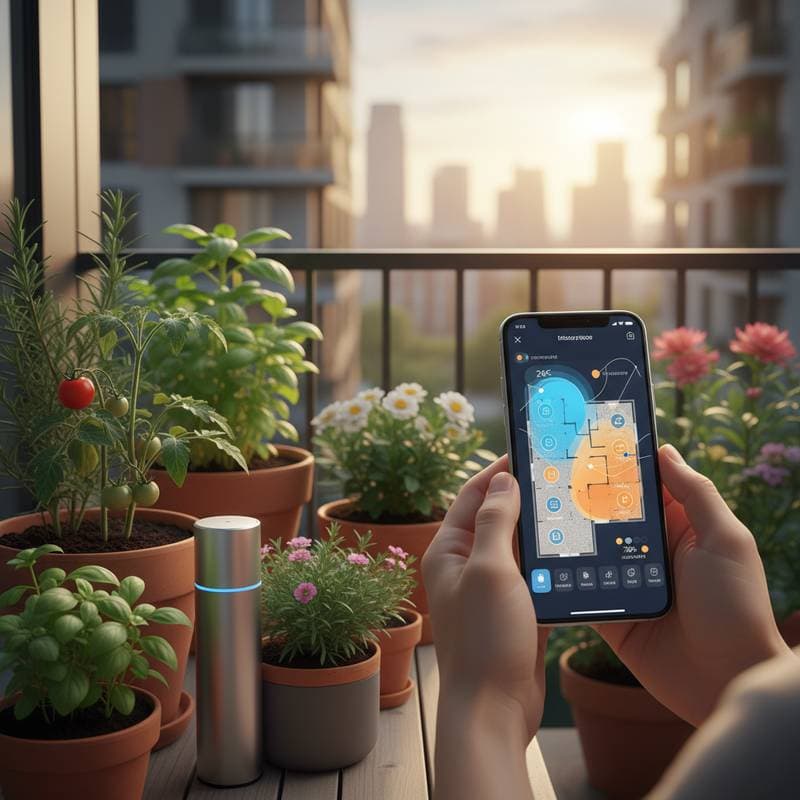
Have you noticed variations in conditions across your balcony, such as one area feeling noticeably warmer than another? These differences arise from microclimates, localized weather patterns that deviate from general forecasts. In balcony gardening, microclimates influence plant success profoundly; for instance, they determine if herbs flourish or succumb to stress. Smart apps enable precise mapping of these microclimates, allowing informed planting decisions that maximize growth in confined urban settings.

This guide explains microclimate mapping, highlights essential tools, and provides step-by-step instructions for applying data to achieve superior balcony gardening outcomes.

Understanding Microclimate Mapping

Microclimate mapping involves apps that integrate sensors, real-time weather data, and GPS to visualize variations in temperature, sunlight exposure, humidity, and wind within small areas. Balcony gardeners benefit by identifying precise locations for specific plants, such as positioning sun-tolerant tomatoes in bright spots or placing moisture-retaining ferns in sheltered corners.

Balconies present distinct challenges due to urban elements: concrete surfaces absorb and radiate heat, glass panels amplify sunlight intensity, and adjacent structures alter airflow patterns. By mapping these factors, individuals reduce watering frequency, mitigate environmental stresses on plants, and optimize yields from limited spaces. Such insights transform routine maintenance into strategic cultivation.

Essential Tools and Materials

To begin mapping your balcony microclimate, assemble the following items:

  • A smartphone or tablet equipped with GPS and camera capabilities for app functionality.
  • A dedicated microclimate app, such as Plantin, GrowHub, or BloomSky, which provide location-based tracking.
  • A compact digital thermometer or wireless sensor for verifying app readings in specific spots.
  • A notebook or digital note-taking application to document observations like daily light duration or wind direction.

Combining app-generated data with manual records creates a comprehensive profile of your balcony's conditions. For enhanced accuracy, select apps that support custom zone definitions and historical data trends.

Step-by-Step Mapping Process

Step 1: Select and Install the App

Choose an app focused on environmental tracking for small-scale gardens, emphasizing features for light intensity, temperature fluctuations, and humidity levels. Most platforms offer free tiers with core mapping tools; download from your device's app store and grant necessary permissions during setup.

Step 2: Configure Location Settings

Activate location services within the app to ensure it captures data specific to your balcony's elevation and orientation. Verify that the app accounts for urban variables, such as building shadows or multi-story positioning, by inputting details like floor level or compass direction.

Step 3: Record Daily Conditions Over One Week

Launch the app at consistent times each day, ideally morning, midday, and evening, to capture peak variations. Log metrics including total sunlight hours, temperature ranges from minimum to maximum, and relative humidity percentages. Consistent entries reveal patterns, such as afternoon heat buildup near walls.

Step 4: Analyze Differences Across Zones

Designate at least three distinct zones on your balcony: the sun-exposed perimeter, the central area with moderate exposure, and the shaded region adjacent to walls or railings. Monitor each for a full day, noting discrepancies; even a five-degree Fahrenheit difference, equivalent to about three degrees Celsius, significantly affects plant viability and requires zone-specific selections.

Step 5: Assign Plants to Suitable Zones

Leverage the app's built-in recommendations or cross-reference with gardening knowledge to match species to conditions. Drought-resistant rosemary thrives in warmer perimeter zones, while cool-season lettuce performs best in shaded, humid areas. Consider companion planting to further stabilize microclimates, such as grouping ferns to retain moisture.

Step 6: Implement Adjustments and Ongoing Monitoring

Reposition planters or install shade cloths and windbreaks based on findings. Continue logging data for an additional week to evaluate changes, tracking indicators like leaf color or growth rates. Iterative refinements ensure long-term adaptability to seasonal shifts.

Practical Safety Considerations

When collecting data, maintain a secure distance from balcony edges to prevent accidents. Protect electronic devices from moisture and direct sunlight during hot periods by using protective cases. For accessing elevated planters, employ sturdy ladders or stable platforms, and enlist assistance if necessary.

Resolving Common Issues

In cases of erratic app readings, recalibrate by resetting location parameters and testing sensors in open areas. Urban interferences, including Wi-Fi signals or metallic railings, may disrupt accuracy; cross-validate with a separate thermometer. If discrepancies persist, update the app or switch to an alternative platform with stronger signal processing.

Upkeep and Seasonal Preparation

Wipe sensors clean monthly using a soft, dry cloth to remove dust accumulation. During off-seasons, store devices indoors in a cool, dry environment. Regularly export and archive app data to monitor year-over-year trends, facilitating proactive adjustments for changing weather patterns.

Cost and Time Investment

Entry-level apps remain free, with premium features available for under fifteen dollars annually. Initial setup requires approximately thirty minutes, while daily entries demand only five minutes. A reliable digital thermometer typically costs around ten dollars, offering a worthwhile investment for precise verification.

Seeking Professional Guidance

Persistent plant failures, even after microclimate optimization, may indicate underlying issues like poor soil quality or inadequate drainage. Consult a local nursery expert or landscape professional for tailored advice on amendments, such as adding reflective mulches or improving container ventilation.

Advancing Your Balcony Garden

Start by installing a microclimate app and conducting your initial week of observations. Clearly mark and label the three zones, then select and place appropriate plants accordingly. Through these adjustments, witness tangible improvements in vitality and productivity, turning your balcony into a resilient urban oasis.

By harnessing smart apps, balcony gardeners gain visibility into subtle environmental dynamics. This knowledge empowers every planting decision, fostering abundant harvests and sustainable growth in compact spaces.

You Might Also Like

Watering 50+ Pots From a Single Faucet

Grow 30 Plants in 2 Feet Using Nutrient Mist

Stop Balcony Noise With Layers That Block and Absorb Sound

How Urban Gardens Cut City Noise by 70%

Cool Balconies 15° Cheaper with Micro-Misting Systems

Tagged:

gardening,smart,apps,planting,balcony,balcony-gardening,microclimate,microclimate-apps,smart-planting

Recent by Dawn Hayden

Image for Glass Deck Floors That Skylight the Space Below

Glass Deck Floors That Skylight the Space Below

Feb 2, 2026
Image for Cut Deck Noise with Acoustic Privacy Screens

Cut Deck Noise with Acoustic Privacy Screens

Feb 1, 2026
Image for Deck Benches That Turn Scraps Into Garden Soil

Deck Benches That Turn Scraps Into Garden Soil

Jan 31, 2026
Image for Cool Balconies 15° Cheaper with Micro-Misting Systems

Cool Balconies 15° Cheaper with Micro-Misting Systems

Jan 30, 2026
Image for Living Sound Filters for City Apartments

Living Sound Filters for City Apartments

Jan 30, 2026

gardening

Image for Grow 30 Plants in 2 Feet Using Nutrient Mist

Grow 30 Plants in 2 Feet Using Nutrient Mist

Feb 1, 2026
Image for Aeroponic Towers Fit Full Veggie Gardens in 4 Feet

Aeroponic Towers Fit Full Veggie Gardens in 4 Feet

Jan 24, 2026
Image for Balcony Microclimates That Triple Your Harvest

Small-Space Gardens

Watering 50+ Pots From a Single Faucet

Convert your balcony's potted plants into a low-maintenance green haven using a micro-drip irrigation system. This practical guide details automatic watering for more than 50 pots, eliminating daily tasks while ensuring optimal hydration. Explore essential tools, installation from testing to timing, plus solutions for common issues and upkeep strategies for sustained success.

Feb 2, 2026

Grow 30 Plants in 2 Feet Using Nutrient Mist

Transform a narrow balcony into a productive aeroponic farm by 2026. These soil-free towers support up to 30 plants with efficient nutrient mist, delivering year-round greens while minimizing water use, space demands, and maintenance.

Feb 1, 2026

Simple Drip Systems That Water While You Work

Elevate your urban balcony garden with a simple, app-free micro drip irrigation system. This practical guide covers tools, installation steps, troubleshooting, and maintenance to ensure reliable watering and vibrant plants, even during busy schedules.

Jan 31, 2026

Categories

Deck Construction & Remodeling(158)
Balcony Design(146)
Small-Space Gardens(63)
Rooftop Decks(50)
Backyard Design(18)

Balcony Microclimates That Triple Your Harvest

Jan 23, 2026
Image for Automate Your Balcony Garden and Save 15 Minutes Daily

Automate Your Balcony Garden and Save 15 Minutes Daily

Jan 17, 2026
Image for Solar Drip Kits Water Your Deck Plants Automatically

Solar Drip Kits Water Your Deck Plants Automatically

Jan 13, 2026

How Urban Gardens Cut City Noise by 70%

Convert your bustling urban garden into a tranquil haven using layered vegetation and sound-dampening materials. This comprehensive guide details how evergreens, grasses, mulch, and permeable surfaces can diminish noise by up to 70 percent, fostering a soothing space that filters out urban clamor while enhancing natural serenity.

Jan 31, 2026

Living Sound Filters for City Apartments

Convert urban clamor into tranquility using acoustic plants as living sound barriers. This guide details optimal plant selection, strategic placement, and upkeep for effective noise reduction in tight city dwellings. Affordable and aesthetically pleasing, these green solutions deliver enduring calm without major alterations.

Jan 30, 2026

Mini Bog Gardens Bring Wetland Habitats to Balconies

Turn a standard balcony into a vibrant mini bog garden that mimics natural wetlands. Assemble a self-sustaining system with layered substrates, precise watering techniques, and native plants to foster biodiversity and create an engaging urban green space.

Jan 28, 2026

Why Shade Apps Unlock Perfect Balcony Gardens

Elevate your balcony garden using shade apps to precisely map sunlight exposure. Gain insights on plant selection for specific light zones, easy scanning techniques, and cost-effective tools. Uncover strategies for seasonal adjustments to cultivate a vibrant, sustainable urban oasis.

Jan 28, 2026

Microclimate Pods Extend Growing Season on Balconies

Turn your balcony or rooftop into a productive garden that defies seasonal limits with microclimate pods. These innovative enclosures maintain optimal warmth, humidity, and airflow. Follow this comprehensive guide for construction, plant selection, safety measures, and ongoing care to harvest greens and herbs throughout the year.

Jan 26, 2026

Three Square Feet of Balcony That Feeds Urban Bees

In the heart of urban living, three square feet of balcony can become a thriving haven for bees. This guide details plant selections, container arrangements, and maintenance practices to attract pollinators throughout the year. With modest investment and simple routines, your compact space contributes to healthier ecosystems and serene outdoor moments.

Jan 25, 2026

Aeroponic Towers Fit Full Veggie Gardens in 4 Feet

Convert a compact balcony into a productive, soil-free vegetable garden using aeroponic towers. This detailed guide covers planning, assembly, and maintenance for a lightweight system that delivers abundant yields while fitting urban constraints like limited space and sunlight.

Jan 24, 2026

Balcony Microclimates That Triple Your Harvest

Transform your balcony garden by identifying and leveraging microclimates—warm pockets, windy perimeters, and shaded retreats—that influence plant success. Map exposure to light, air, and temperature; assign suitable crops to zones; and adapt seasonally for a bountiful, year-round harvest in compact settings.

Jan 23, 2026

Balcony Mushroom Farms That Pay for Themselves

Transform your shaded balcony into a profitable mushroom farm producing gourmet varieties like oyster and shiitake. This guide covers setup, maintenance, harvesting, and sales strategies to generate steady income from urban space with minimal effort.

Jan 21, 2026

Acoustic Walls Cut Neighbor Noise Without Renovating

Achieve tranquility in bustling urban environments through acoustic walls, strategic sealing, and sound-absorbing plants. This guide provides practical installation steps, affordable material recommendations, and maintenance tips to create a serene home without extensive renovations.

Jan 18, 2026

Plants Cut City Noise With Layers and Smart Placement

Convert urban balconies or courtyards into tranquil refuges with sound-absorbing plants. Discover layering techniques featuring bamboo, evergreens, and grasses to diffuse noise, plus essential tips on selection, positioning, care, and affordability for compact green spaces.

Jan 17, 2026

Turn Your Balcony Into a Pollinator Stopover

Convert your balcony into a vibrant pollinator habitat that draws in bees, butterflies, and hummingbirds. Employ native plants, fresh water sources, and basic containers to promote urban biodiversity, improve air quality, and establish a serene green oasis, all achievable for less than seventy dollars with minimal weekly maintenance.

Jan 17, 2026

Dwarf Fruit Trees Turn Tiny Balconies into Orchards

Even the tiniest balcony can become a productive orchard with dwarf fruit trees. Compact options like Meyer lemon and dwarf apple varieties yield full-sized fruit in containers. This guide provides essential steps for setup, ongoing care, and troubleshooting to help city dwellers cultivate fresh produce just steps from their living spaces.

Jan 15, 2026

Turning Nine Square Feet Into a Pollinator Haven

Convert a modest 3x3 balcony into a dynamic micro-meadow that supports bees, butterflies, and birds. This comprehensive guide explains the process of designing, planting, and sustaining a lightweight, low-maintenance native plant habitat that delivers seasonal blooms, tranquility, and environmental benefits to city dwellers.

Jan 15, 2026

AI Garden Cams Catch Plant Problems Before They Spread

AI garden cameras leverage smart sensors and machine learning to track plant health, identify stress indicators promptly, and provide targeted care recommendations. This comprehensive guide covers device selection, installation procedures, data interpretation, and optimization strategies for watering and lighting, enabling urban gardeners to sustain healthy plants with reduced uncertainty and minimal effort.

Jan 14, 2026

Why Wildflower Balconies Supercharge Urban Pollinators

Convert your balcony into a buzzing mini-ecosystem that sustains urban pollinators. Explore native wildflower choices, efficient container arrangements, and simple maintenance routines to build lasting habitats in compact city areas. Gain insights into budget-friendly supplies, time commitments, and year-round strategies for a pollinator paradise.

Jan 12, 2026

AI Sensors Stop Deck Plants From Drying Out

AI sensors revolutionize deck gardening with automated watering based on real-time environmental data. This comprehensive guide covers installation, calibration, troubleshooting, and maintenance to ensure thriving plants, water savings, and minimal effort in compact urban spaces.

Jan 9, 2026