Loading...

Create Low-Maintenance Perennial Mini-Meadows for Urban Decks | UrbanOutdoorsNYC | Urban Outdoors - Small-Space Gardens, Rooftop Decks, Balconies, Decks, Backyard Design
Skip to main content
Urban Outdoors
Search
Home
  1. Home
  2. /
  3. Deck Construction & Remodeling
  4. /
  5. Perennial Mini-Meadows Replace High-Maintenance Pots
Deck Construction & Remodeling

Perennial Mini-Meadows Replace High-Maintenance Pots

byAnne Marion
2025-11-16 03:34:57November 16, 2025
7 min read
Featured image for Perennial Mini-Meadows Replace High-Maintenance Pots

Categories

Navigation

  • Home
  • All Articles
  • About Us
  • Privacy Policy
  • Terms of Service

© 2026 Urban Outdoors. Crafted for bold city dwellers.

2025-11-16 03:34:57
Urban Outdoors - Small-Space Gardens, Rooftop Decks, Balconies, Decks, Backyard Design

Introduction to Perennial Mini-Meadows

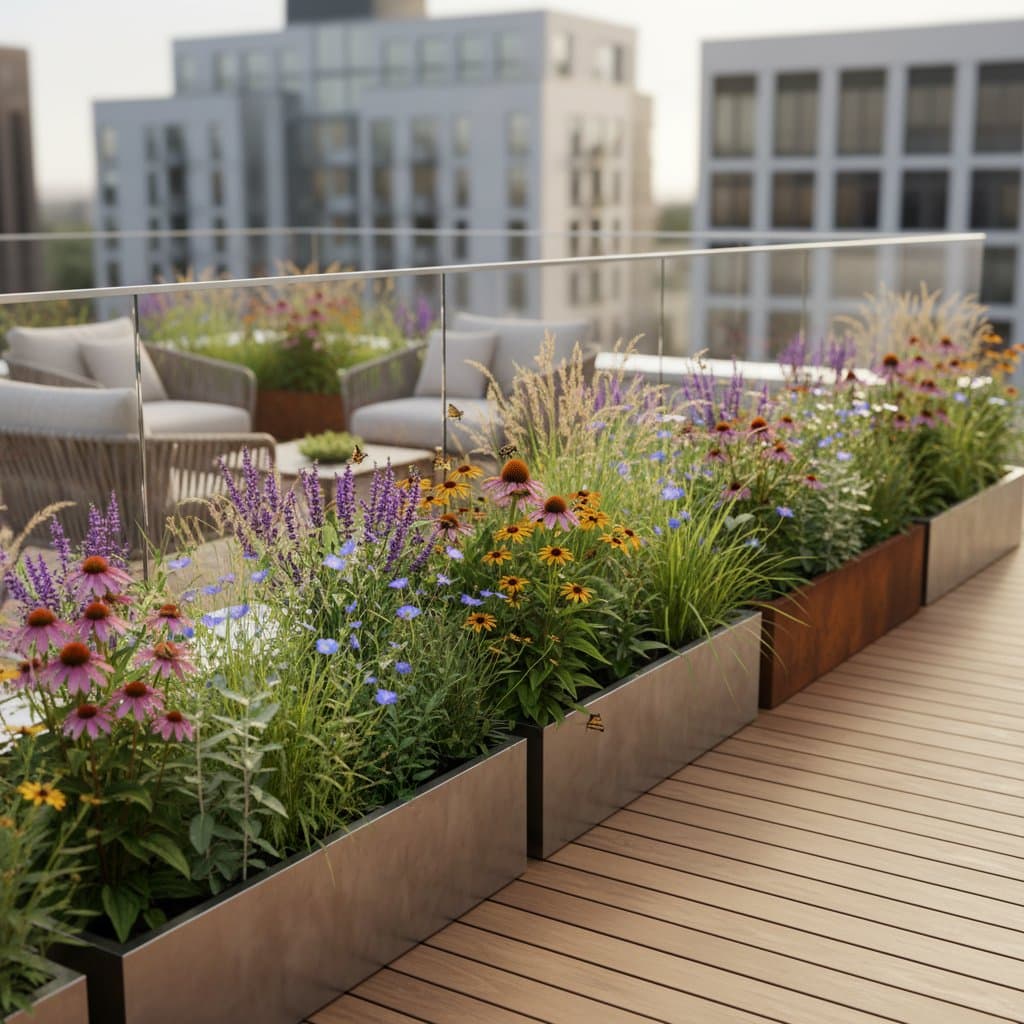
Urban dwellers often face the challenge of limited space and time for gardening. Traditional potted plants demand frequent watering, deadheading, and seasonal replacements, which can feel overwhelming. Perennial mini-meadows provide a sustainable solution, featuring hardy plants that return annually while supporting local pollinators.

These compact gardens mimic natural wildflower patches in containers, blending grasses, flowers, and herbs for a lush, textured look. Ideal for decks, balconies, or patios, they require less intervention than annual pots yet deliver continuous color and life. By focusing on native or adapted perennials, you foster biodiversity even in city environments.

This guide walks you through the process, from selection to long-term care, ensuring your mini-meadow thrives with ease.

Selecting the Right Container

Begin by choosing a sturdy container that suits your deck's layout. Opt for large, shallow pots or troughs at least 18 inches wide and 12 inches deep to allow root spread without overcrowding. Materials like fiberglass, recycled plastic, or wooden planters work well, as they resist cracking in variable weather.

Ensure the container has multiple drainage holes to prevent waterlogging, a common issue in urban settings. If your deck receives heavy rain, elevate the pot on feet or bricks for better airflow. For stability, select pots under 50 pounds when empty to avoid overloading the surface.

Consider the aesthetic too: neutral colors let the plants shine, while grouped arrangements create a seamless meadow effect. Start with one or two containers to test the setup before scaling up.

Preparing the Soil Mix

A well-drained, nutrient-rich soil forms the foundation of your mini-meadow. Mix equal parts garden soil, compost, and sand or perlite to promote aeration and mimic meadow conditions. This blend retains moisture during dry spells but sheds excess water quickly.

Test the pH level with a simple kit; most perennials prefer slightly neutral to alkaline soil between 6.0 and 7.5. Amend with lime if needed for urban soils that tend acidic from pollution. Fill the container to within two inches of the rim, firming gently to eliminate air pockets.

Incorporate slow-release organic fertilizer at this stage, such as worm castings, to provide steady nutrients without overwhelming the plants. This preparation step takes about 30 minutes and sets the stage for healthy establishment.

Choosing and Planting Perennials

Select a mix of five to seven perennial species for diversity and resilience. Prioritize natives like black-eyed Susan, coneflower, bee balm, little bluestem grass, and sedum, which attract butterflies and bees while tolerating urban heat and drought.

Aim for a balance: 40 percent grasses for structure, 40 percent flowers for color, and 20 percent groundcovers for filler. Purchase plugs or small pots from a local nursery to ensure they match your USDA hardiness zone, typically 5 to 8 for New York City areas.

Plant in clusters rather than rows, spacing them six to eight inches apart. Dig holes slightly wider than the root balls, place plants at the same depth as in their nursery pots, and backfill with soil. Water deeply after planting to settle the roots and encourage initial growth.

4. Add Mulch and Label

Apply a one-inch layer of organic mulch, such as shredded leaves, bark fines, or straw, around the plants. This conserves soil moisture, suppresses weeds, and regulates temperature fluctuations common on exposed decks.

Use weatherproof labels or stakes to note each plant's name, height, and bloom time. Tracking performance helps you refine selections in future seasons, identifying which varieties excel in your specific light and wind conditions.

5. Let It Settle

Resist the urge to prune or add supplements during the initial four to six weeks. New transplants focus energy on root development, so provide consistent moisture without saturation. Initial growth may appear sparse or uneven, but by the second or third month, the plants knit together for fuller coverage.

Monitor for signs of stress, such as wilting, and adjust watering accordingly. This settling period builds a robust base, reducing future maintenance needs.

Troubleshooting Common Issues

Even resilient mini-meadows encounter challenges in urban environments. Addressing problems early prevents escalation and preserves the garden's vitality.

Sparse Growth:
Insufficient sunlight or compacted soil often leads to leggy or thin plants. Relocate the container to a south- or west-facing spot receiving at least six hours of direct sun daily. Improve drainage by incorporating additional coarse sand into the top layer of soil.

Weeds Appearing:
Urban air carries seeds that sprout readily in fresh soil. Hand-pull weeds when young, before they set seed, to avoid competition. Refresh the mulch layer annually to create a barrier that discourages germination.

Plants Flopping Over:
Tall stems may bend in wind or under their own weight. Pinch back the top third of growth in early spring or after the first flush of blooms. This technique promotes bushier form and stronger stems over time.

Brown Leaves or Mold:
Overwatering or poor circulation causes fungal issues and root rot. Allow the top one to two inches of soil to dry between waterings, and ensure pots drain freely. In humid conditions, space plants slightly farther apart for better air flow.

Budget and Time Considerations

Launching a perennial mini-meadow proves cost-effective compared to ongoing annual purchases. Initial expenses typically range from 75 to 150 dollars for a single large container setup. Allocate about 25 dollars for a quality soil mix and compost, 40 to 60 dollars for a selection of perennial plugs, and the rest for mulch and tools if needed.

Repurpose existing pots or thrift store finds to cut costs further. Perennials eliminate yearly replanting, saving 50 dollars or more per season after the first year.

Time investment starts higher but tapers quickly. The initial assembly requires two to four hours, covering soil preparation, planting, and cleanup. Ongoing care involves 10 to 20 minutes weekly for observation and light watering, dropping to seasonal tasks like spring tidying.

Ongoing Maintenance Practices

Perennials demand far less attention than annuals, but consistent habits ensure longevity. In late fall or early winter, cut back spent stems to three to six inches above the soil line. This tidies the appearance and protects crowns from harsh freezes.

Refresh nutrients each early spring by top-dressing with a half-inch layer of compost or aged manure. Water sparingly, only during prolonged dry spells exceeding two weeks, delivering about one inch per session directly to the soil.

Every three to five years, divide overgrown clumps using a sharp spade. Replant divisions in the same or new containers to maintain vigor and prevent dominance by aggressive species. For mid-season refresh, intersperse quick-blooming annuals like dwarf cosmos or zinnias; their seeds germinate easily and add pops of color without disrupting the perennial framework.

Consulting Professionals When Needed

While mini-meadows suit DIY gardeners, certain situations warrant expert input. If your deck shows signs of water pooling or sagging, engage a structural engineer to assess load capacity before placing heavy pots. They calculate safe weights, often 40 to 60 pounds per square foot, and recommend reinforcements if necessary.

For plant selection tailored to your exact conditions, visit a native plant specialist or extension service. They analyze factors like shade patterns and soil salinity from nearby streets, suggesting optimized varieties. A one-hour consultation, costing 50 to 100 dollars, often averts costly mistakes and enhances success rates.

Building Your Meadow Over Time

Approach your mini-meadow as an evolving project rather than a one-time task. Begin with a single container featuring three to five plants, allowing you to observe growth patterns without overwhelming commitment.

Document sunlight hours and moisture levels throughout the first season using a simple journal or app. This data informs adjustments, such as shifting shade-tolerant species like ferns to dimmer corners.

By the second year, your meadow matures into a self-sustaining haven, buzzing with pollinators and providing a serene escape. This layered approach yields not just beauty, but a deeper connection to the natural world amid urban constraints.

You Might Also Like

Solar Drip Systems Keep Deck Gardens Watered Automatically

Glass Deck Floors That Skylight the Space Below

Mycelium Boards Replace Wood in Sustainable Decking

Cut Deck Noise with Acoustic Privacy Screens

Deck Benches That Turn Scraps Into Garden Soil

Tagged:

deck,wildflower,meadow,perennial,perennial-meadow

Recent by Anne Marion

Image for Solar Drip Systems Keep Deck Gardens Watered Automatically

Solar Drip Systems Keep Deck Gardens Watered Automatically

Feb 2, 2026
Image for Watering 50+ Pots From a Single Faucet

Watering 50+ Pots From a Single Faucet

Feb 2, 2026
Image for Simple Drip Systems That Water While You Work

Simple Drip Systems That Water While You Work

Jan 31, 2026
Image for How Urban Gardens Cut City Noise by 70%

How Urban Gardens Cut City Noise by 70%

Jan 31, 2026
Image for Micro-Pergola Pods Bring Patio Comfort to Tiny Balconies

Micro-Pergola Pods Bring Patio Comfort to Tiny Balconies

Jan 29, 2026

deck

Image for Solar Drip Systems Keep Deck Gardens Watered Automatically

Solar Drip Systems Keep Deck Gardens Watered Automatically

Feb 2, 2026
Image for Glass Deck Floors That Skylight the Space Below

Glass Deck Floors That Skylight the Space Below

Feb 2, 2026
Image for Mycelium Boards Replace Wood in Sustainable Decking

Deck Construction & Remodeling

Solar Drip Systems Keep Deck Gardens Watered Automatically

Elevate your deck gardening with solar-powered drip irrigation for precise, hands-free watering. This guide covers final setup steps, safety measures, common fixes, cost breakdowns, and year-round care to foster healthy plants with minimal intervention.

Feb 2, 2026

Solar Pavers Convert Steps and Sunlight Into Power

Elevate your outdoor paths with solar pavers that generate electricity from sunlight and movement. This comprehensive resource outlines functionality, step-by-step setup, budgeting, troubleshooting, and ways to apply the power for lighting or devices—all while promoting green living.

Feb 2, 2026

Glass Deck Floors That Skylight the Space Below

Elevate your deck design with glass floor panels that function as skylights, flooding lower areas with natural light while delivering a sleek, contemporary look. This resource provides in-depth coverage of benefits, essential materials, step-by-step installation, safety protocols, maintenance routines, and guidance on when to hire experts—all to optimize your outdoor environment for light, style, and longevity.

Categories

Deck Construction & Remodeling(158)
Balcony Design(146)
Small-Space Gardens(63)
Rooftop Decks(50)
Backyard Design(18)

Mycelium Boards Replace Wood in Sustainable Decking

Feb 1, 2026
Image for Cut Deck Noise with Acoustic Privacy Screens

Cut Deck Noise with Acoustic Privacy Screens

Feb 1, 2026
Image for Deck Benches That Turn Scraps Into Garden Soil

Deck Benches That Turn Scraps Into Garden Soil

Jan 31, 2026
Feb 2, 2026

Mycelium Boards Replace Wood in Sustainable Decking

Mycelium decking redefines sustainable outdoor design with boards cultivated from fungal roots and agricultural waste. These lightweight, compostable planks match wood's strength while minimizing environmental impact. This guide covers planning, installation, and care for a resilient, green yard addition.

Feb 1, 2026

Cut Deck Noise with Acoustic Privacy Screens

Turn urban deck noise into peaceful quiet with acoustic privacy screens. Explore sound-blocking options, step-by-step installation, upkeep advice, and cost-effective choices for a more enjoyable outdoor space throughout the year.

Feb 1, 2026

Deck Benches That Turn Scraps Into Garden Soil

Convert your deck into an eco-friendly oasis with a composting bench that serves as both comfortable seating and efficient soil producer. This comprehensive guide details construction steps, material needs, troubleshooting, and seasonal care to minimize waste and maximize garden yields.

Jan 31, 2026

Permeable Pavers Stop Flooding and Raise Property Value

Permeable pavers convert waterlogged areas into resilient, environmentally friendly surfaces. Water infiltrates through paver joints and stone bases, minimizing runoff, safeguarding structures, and elevating aesthetic appeal. This comprehensive guide details installation processes, upkeep routines, and financial considerations to demonstrate how these pavers promote sustainability, property enhancement, and enduring outdoor usability.

Jan 29, 2026

Turn Your Deck into a Clean Energy Generator

Elevate your deck into a sustainable solar energy source with integrated pavers that merge aesthetics and efficiency. This guide covers sunlight evaluation, circuit planning, durable tile installation, performance upkeep, expense details, safety protocols, and professional consultation needs to create a self-powered outdoor retreat.

Jan 29, 2026

Solar Pavers Turn Sunlight Into Outdoor Power

Elevate your outdoor areas with solar pavers, robust tiles that capture sunlight to generate power for lighting, charging stations, and appliances. This guide covers their functionality, required materials, and detailed installation instructions to build an efficient, wire-free environment that blends practicality with aesthetic appeal.

Jan 28, 2026

Mycelium Decks Replace Wood With Living Fungi Material

Mycelium, the intricate root system of fungi, emerges as a groundbreaking material for decking. This renewable and biodegradable option provides the durability of wood with a fraction of the environmental impact. Readers will gain insights into installation, maintenance, and benefits to create an outdoor haven that aligns with sustainable living principles.

Jan 27, 2026

Deck Pods Turn Open Decks into Year-Round Rooms

Convert your deck into a protected, inviting extension of your home using modular deck pods. This comprehensive guide covers planning, assembly, and upkeep for these adaptable structures, including required tools, safety protocols, and enhancements to achieve a durable, stylish outdoor space that provides year-round utility.

Jan 26, 2026

Solar Shade Sails Generate Power While Cooling Your Deck

Elevate your deck with solar shade sails that offer respite from the sun while harnessing solar power for everyday use. These versatile structures blend comfort with eco-friendly energy generation. Explore practical steps for installation, upkeep, and optimization to create an inviting, self-sustaining outdoor haven.

Jan 26, 2026

Cool Your Deck 15° with Solar Shade Sails

Counter summer deck heat with solar shade sails capable of reducing temperatures by up to 15 degrees. These tensioned fabric panels effectively block UV rays, improve airflow, and install in just one day. Gain insights into required tools, essential safety measures, and maintenance strategies for extended outdoor enjoyment.

Jan 25, 2026

Why Permeable Decks Stay 20 Degrees Cooler

Permeable decks address intense summer heat by facilitating airflow and water passage, which dissipates trapped warmth and maintains surfaces up to 20 degrees cooler. Incorporating light-colored materials, strategic gaps, and evaporative cooling, these decks foster inviting, sustainable outdoor areas that require low maintenance and provide enduring relief from hot surfaces.

Jan 25, 2026

Solar Pergolas Cut City Heat While Powering Your Deck

Elevate your compact urban deck with a solar pergola that delivers shade, produces renewable energy, and enhances sustainability. This comprehensive guide includes planning strategies, material choices, step-by-step installation, safety protocols, and upkeep tips to achieve a cooler, cost-effective outdoor area while increasing home value on a practical budget.

Jan 24, 2026

Fungal Fibers That Replace Wood Decks and Compost Clean

Mycelium decks redefine urban outdoor spaces through sustainable, compostable panels derived from fungal networks. These lightweight, durable alternatives to wood or plastic utilize agricultural waste. Follow this guide to cultivate, process, install, and maintain them for environmentally conscious urban design.

Jan 24, 2026

Misting Systems Drop Deck Temps 20° Fast

Misting systems transform hot decks into inviting spaces by reducing temperatures up to 20 degrees. This guide details planning, installation, maintenance, and optimization strategies for safe, effective cooling throughout the season.

Jan 22, 2026

UV Shade Sails Drop Deck Temps 20 Degrees

Combat summer heat and safeguard your deck using UV shade sails. This comprehensive guide details selection, installation, and upkeep strategies that reduce surface temperatures, avert color fading, and prolong deck longevity. Explore required tools, safety measures, common issues, and professional insights to create a fashionable, protected outdoor haven.

Jan 22, 2026

Shade Sails That Follow the Sun All Day Long

Automatic sun-tracking shade sails adjust their position to follow the sun, providing consistent shade and comfort on decks and patios. This comprehensive guide explains the technology, step-by-step installation, essential safety measures, ongoing maintenance, associated costs, and strategies to maximize durability and efficiency in your outdoor environment.

Jan 21, 2026

AI Cameras That Water Plants and Deter Deck Pests

Elevate your urban deck into an automated oasis with AI cameras that identify pests, optimize irrigation, and reduce upkeep. These intelligent systems leverage computer vision to safeguard plants, promote efficient water use, and deliver seamless outdoor enjoyment via straightforward installation and reliable performance.

Jan 21, 2026