Loading...

How to Grow Fresh Mushrooms on a Shaded Balcony in 2025 | urbanoutdoorsnyc.com | Urban Outdoors - Small-Space Gardens, Rooftop Decks, Balconies, Decks, Backyard Design
Skip to main content
Urban Outdoors
Search
Home
  1. Home
  2. /
  3. Small-Space Gardens
  4. /
  5. Grow Fresh Mushrooms in a Shaded Balcony Corner
Small-Space Gardens

Grow Fresh Mushrooms in a Shaded Balcony Corner

byAnne Marion
2025-12-15 04:00:53December 15, 2025
7 min read
Featured image for Grow Fresh Mushrooms in a Shaded Balcony Corner

Categories

Navigation

  • Home
  • All Articles
  • About Us
  • Privacy Policy
  • Terms of Service

© 2026 Urban Outdoors. Crafted for bold city dwellers.

2025-12-15 04:00:53
Urban Outdoors - Small-Space Gardens, Rooftop Decks, Balconies, Decks, Backyard Design

Grow Fresh Mushrooms in a Shaded Balcony Corner

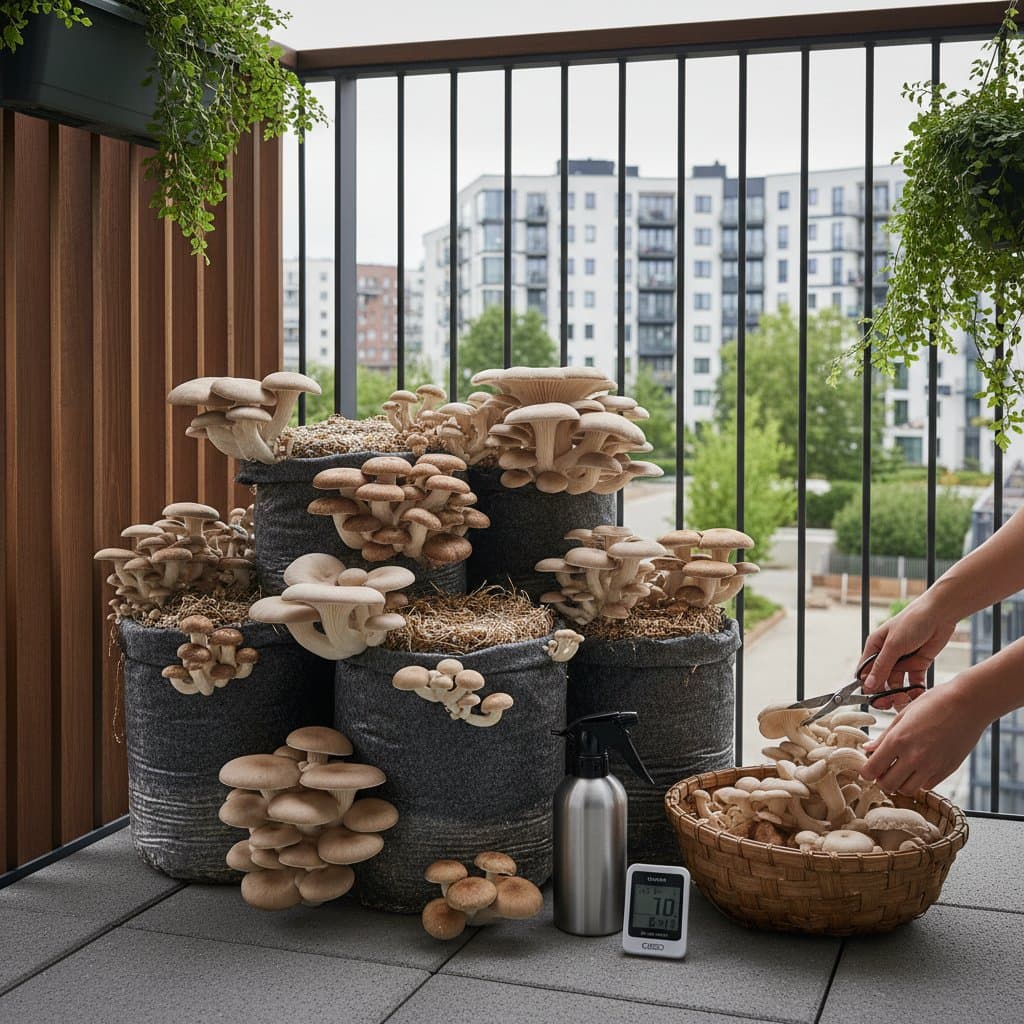
Urban living often limits access to fresh produce, yet shaded balcony spaces offer untapped potential for homegrown mushrooms. These fungi thrive in low-light conditions, require minimal space, and deliver nutrient-rich harvests with little effort. This guide provides a step-by-step process to establish a productive mushroom setup, drawing on proven techniques for city dwellers.

Mushrooms suit balconies because they favor humidity and shade over sunlight. Beginners can expect yields from simple setups using everyday materials. Follow these steps to cultivate oyster or button varieties, which adapt well to container growing.

Gather Materials

Select a clear plastic storage bin with a lid, approximately 10 to 20 gallons in size, to serve as your growing chamber. Acquire mushroom spawn from a reputable supplier; oyster mushroom spawn works reliably for novices. Prepare substrate options such as spent coffee grounds, pasteurized straw, or hardwood sawdust, ensuring they remain free from contaminants.

You will also need a spray bottle for misting, gloves for handling, and boiling water for pasteurization. Position the bin in a stable, shaded balcony spot protected from rain and wind. Check local regulations if you reside in an apartment complex, as some buildings restrict outdoor cultivation.

Fill with Substrate

Place the substrate into the bin, filling it to about two-thirds capacity. If utilizing coffee grounds, confirm they are freshly spent and show no signs of mold. For straw or sawdust, pour boiling water over the material to pasteurize it, then allow it to drain until the texture feels damp without excess water.

Wear protective gloves when managing hot items to prevent burns. This preparation step eliminates harmful bacteria, creating a welcoming environment for fungal growth. Adjust the volume based on your bin size to avoid overcrowding.

Mix in the Spawn

Break apart the mushroom spawn into smaller pieces and incorporate it thoroughly into the substrate. Maintain a ratio of one part spawn to five parts substrate to promote even colonization and reduce contamination risks. Use clean hands or a sterilized tool for mixing to preserve sterility.

Distribute the spawn uniformly, pressing it gently into the damp material. This method ensures the mycelium, the fungal network, spreads efficiently. Allow the mixture to settle for a few minutes before proceeding.

Seal and Store

Cover the bin with its lid or a sheet of plastic wrap, securing it loosely to permit air exchange. Position the setup in a shaded, sheltered balcony area. Maintain temperatures between 60 and 75 degrees Fahrenheit (15 to 24 degrees Celsius), monitoring with a simple thermometer if needed.

Direct sunlight can evaporate moisture too quickly, so select a north-facing corner or use a breathable cover. In warmer climates, observe for overheating during peak summer days. This incubation phase lasts two to three weeks.

Mist Daily

Employ the spray bottle to apply a fine mist to the surface one or two times daily. Sustain high humidity levels without forming standing water, which invites mold. Inspect the top layer regularly; mist lightly if it appears dry to the touch.

Consistency in this routine supports mycelium development. In dry urban environments, consider placing a shallow tray of water nearby to boost ambient moisture. Track progress by noting subtle changes in texture.

Wait for Growth

Within two to three weeks, observe white, thread-like filaments emerging across the substrate. These structures represent mycelium, the essential root system of the mushrooms. Once the surface achieves full white coverage, relocate the bin to a position with gentle indirect light to initiate fruiting.

Patience proves key during this period; avoid disturbing the setup unnecessarily. Signs of healthy growth include a fresh, earthy scent. If progress stalls, review environmental conditions before intervening.

Harvest

As small caps form, continue gentle misting to encourage maturation. Pick the mushrooms once the caps unfurl and their edges start to flatten, typically within days of appearance. Twist each one at the base carefully to prevent damage to the remaining mycelium.

Harvest in the morning when humidity peaks for optimal freshness. A single batch often produces multiple flushes over weeks. Store picked mushrooms in the refrigerator for up to a week, using them in stir-fries or salads.

Clean and Restart

Following the final harvest, remove all spent substrate and rinse the bin thoroughly. Wipe interior surfaces with a solution of diluted vinegar to disinfect. Allow the container to air dry completely in a sunny spot before preparing the next cycle.

This cleaning ritual minimizes carryover of pathogens. Reuse the bin multiple times, inspecting for cracks or wear. Document your yields to refine future attempts.

Safety Tips

Wash hands thoroughly before and after interacting with mushrooms or substrate materials. Employ clean tools and containers at every stage to deter mold formation. Should a strong unpleasant odor or green discoloration emerge, dispose of the entire batch in a sealed bag outside.

Restrict access to growing areas for pets and children, as certain spores may cause skin irritation or allergic reactions. Source edible mushroom spawn exclusively from verified suppliers to ensure safety for consumption.

Troubleshooting

Mushrooms cease growth midway.

This issue often stems from insufficient humidity or excessive light exposure.

Increase misting frequency and shift the container to a more shaded location.

Green or black mold develops.

Contamination arises from unsterile substrate or tools.

Discard the affected batch immediately and sanitize all equipment with vinegar solution prior to reuse.

Mushrooms emerge thin or pale.

Inadequate oxygen flow or nutrient depletion contributes to weak development.

Punch additional ventilation holes in the bin and introduce fresh substrate for subsequent batches.

Most challenges resolve with minor adjustments, and success typically follows initial trials.

Budget and Time Considerations

Initial setup expenses range from 25 to 60 dollars, primarily covering spawn and substrate purchases. Each cycle produces one to two pounds (0.5 to 1 kilogram) of mushrooms, sufficient for multiple family meals. The inaugural round spans four to six weeks from preparation to harvest, with subsequent efforts accelerating due to familiar routines.

Reduce costs by sourcing spent coffee grounds from local cafes or repurposing chemical-free straw from pet supplies. Track expenditures to optimize for ongoing cultivation. Yields improve with experience, offsetting investments quickly.

Maintenance Practices

Maintain tidiness around the growing zone by wiping surfaces weekly and clearing debris promptly. Store surplus substrate in airtight bags indoors to repel pests. After completing a cycle, permit the balcony area a one-week respite to curb mold accumulation.

In cooler regions, relocate the bin indoors to a humid spot like a shaded windowsill or bathroom cabinet. Mushrooms tolerate such adaptations well, provided moisture levels remain consistent. Regular checks prevent common setbacks.

When to Seek Expert Guidance

For expansions beyond three bins or cultivation of specialty varieties such as shiitake or reishi, engage a local urban agriculture specialist. Professionals assess airflow, temperature stability, and hygiene protocols. Inquire about advanced sterilization methods, custom substrate formulas, and early detection of issues.

A single consultation averts expensive errors and elevates your setup. Community workshops often provide hands-on insights tailored to balcony constraints.

Start Your Balcony Harvest Today

Transform that overlooked shaded corner into a source of fresh mushrooms with these straightforward steps. Gain confidence through practice, enjoying sustainable yields that enhance urban meals. Experiment with recipes to fully appreciate your homegrown bounty, fostering a deeper connection to food production.

You Might Also Like

Watering 50+ Pots From a Single Faucet

Grow 30 Plants in 2 Feet Using Nutrient Mist

Stop Balcony Noise With Layers That Block and Absorb Sound

How Urban Gardens Cut City Noise by 70%

Cool Balconies 15° Cheaper with Micro-Misting Systems

Tagged:

urban,mushroom,balcony,growing,balcony-mushroom-growing

Recent by Anne Marion

Image for Solar Drip Systems Keep Deck Gardens Watered Automatically

Solar Drip Systems Keep Deck Gardens Watered Automatically

Feb 2, 2026
Image for Watering 50+ Pots From a Single Faucet

Watering 50+ Pots From a Single Faucet

Feb 2, 2026
Image for Simple Drip Systems That Water While You Work

Simple Drip Systems That Water While You Work

Jan 31, 2026
Image for How Urban Gardens Cut City Noise by 70%

How Urban Gardens Cut City Noise by 70%

Jan 31, 2026
Image for Micro-Pergola Pods Bring Patio Comfort to Tiny Balconies

Micro-Pergola Pods Bring Patio Comfort to Tiny Balconies

Jan 29, 2026

urban

Image for Cool Balconies 15° Cheaper with Micro-Misting Systems

Cool Balconies 15° Cheaper with Micro-Misting Systems

Jan 30, 2026
Image for Living Sound Filters for City Apartments

Living Sound Filters for City Apartments

Jan 30, 2026
Image for Micro Wind Turbines Turn Balcony Breezes Into Power

Small-Space Gardens

Watering 50+ Pots From a Single Faucet

Convert your balcony's potted plants into a low-maintenance green haven using a micro-drip irrigation system. This practical guide details automatic watering for more than 50 pots, eliminating daily tasks while ensuring optimal hydration. Explore essential tools, installation from testing to timing, plus solutions for common issues and upkeep strategies for sustained success.

Feb 2, 2026

Grow 30 Plants in 2 Feet Using Nutrient Mist

Transform a narrow balcony into a productive aeroponic farm by 2026. These soil-free towers support up to 30 plants with efficient nutrient mist, delivering year-round greens while minimizing water use, space demands, and maintenance.

Feb 1, 2026

Simple Drip Systems That Water While You Work

Elevate your urban balcony garden with a simple, app-free micro drip irrigation system. This practical guide covers tools, installation steps, troubleshooting, and maintenance to ensure reliable watering and vibrant plants, even during busy schedules.

Jan 31, 2026

Categories

Deck Construction & Remodeling(158)
Balcony Design(146)
Small-Space Gardens(63)
Rooftop Decks(50)
Backyard Design(18)

Micro Wind Turbines Turn Balcony Breezes Into Power

Jan 30, 2026
Image for Balcony Mushroom Farms That Pay for Themselves

Balcony Mushroom Farms That Pay for Themselves

Jan 21, 2026
Image for Why Moss Roofs Rule Low-Water Urban Decks

Why Moss Roofs Rule Low-Water Urban Decks

Jan 19, 2026

How Urban Gardens Cut City Noise by 70%

Convert your bustling urban garden into a tranquil haven using layered vegetation and sound-dampening materials. This comprehensive guide details how evergreens, grasses, mulch, and permeable surfaces can diminish noise by up to 70 percent, fostering a soothing space that filters out urban clamor while enhancing natural serenity.

Jan 31, 2026

Living Sound Filters for City Apartments

Convert urban clamor into tranquility using acoustic plants as living sound barriers. This guide details optimal plant selection, strategic placement, and upkeep for effective noise reduction in tight city dwellings. Affordable and aesthetically pleasing, these green solutions deliver enduring calm without major alterations.

Jan 30, 2026

Mini Bog Gardens Bring Wetland Habitats to Balconies

Turn a standard balcony into a vibrant mini bog garden that mimics natural wetlands. Assemble a self-sustaining system with layered substrates, precise watering techniques, and native plants to foster biodiversity and create an engaging urban green space.

Jan 28, 2026

Why Shade Apps Unlock Perfect Balcony Gardens

Elevate your balcony garden using shade apps to precisely map sunlight exposure. Gain insights on plant selection for specific light zones, easy scanning techniques, and cost-effective tools. Uncover strategies for seasonal adjustments to cultivate a vibrant, sustainable urban oasis.

Jan 28, 2026

Microclimate Pods Extend Growing Season on Balconies

Turn your balcony or rooftop into a productive garden that defies seasonal limits with microclimate pods. These innovative enclosures maintain optimal warmth, humidity, and airflow. Follow this comprehensive guide for construction, plant selection, safety measures, and ongoing care to harvest greens and herbs throughout the year.

Jan 26, 2026

Three Square Feet of Balcony That Feeds Urban Bees

In the heart of urban living, three square feet of balcony can become a thriving haven for bees. This guide details plant selections, container arrangements, and maintenance practices to attract pollinators throughout the year. With modest investment and simple routines, your compact space contributes to healthier ecosystems and serene outdoor moments.

Jan 25, 2026

Aeroponic Towers Fit Full Veggie Gardens in 4 Feet

Convert a compact balcony into a productive, soil-free vegetable garden using aeroponic towers. This detailed guide covers planning, assembly, and maintenance for a lightweight system that delivers abundant yields while fitting urban constraints like limited space and sunlight.

Jan 24, 2026

Balcony Microclimates That Triple Your Harvest

Transform your balcony garden by identifying and leveraging microclimates—warm pockets, windy perimeters, and shaded retreats—that influence plant success. Map exposure to light, air, and temperature; assign suitable crops to zones; and adapt seasonally for a bountiful, year-round harvest in compact settings.

Jan 23, 2026

Balcony Mushroom Farms That Pay for Themselves

Transform your shaded balcony into a profitable mushroom farm producing gourmet varieties like oyster and shiitake. This guide covers setup, maintenance, harvesting, and sales strategies to generate steady income from urban space with minimal effort.

Jan 21, 2026

Acoustic Walls Cut Neighbor Noise Without Renovating

Achieve tranquility in bustling urban environments through acoustic walls, strategic sealing, and sound-absorbing plants. This guide provides practical installation steps, affordable material recommendations, and maintenance tips to create a serene home without extensive renovations.

Jan 18, 2026

Plants Cut City Noise With Layers and Smart Placement

Convert urban balconies or courtyards into tranquil refuges with sound-absorbing plants. Discover layering techniques featuring bamboo, evergreens, and grasses to diffuse noise, plus essential tips on selection, positioning, care, and affordability for compact green spaces.

Jan 17, 2026

Turn Your Balcony Into a Pollinator Stopover

Convert your balcony into a vibrant pollinator habitat that draws in bees, butterflies, and hummingbirds. Employ native plants, fresh water sources, and basic containers to promote urban biodiversity, improve air quality, and establish a serene green oasis, all achievable for less than seventy dollars with minimal weekly maintenance.

Jan 17, 2026

Dwarf Fruit Trees Turn Tiny Balconies into Orchards

Even the tiniest balcony can become a productive orchard with dwarf fruit trees. Compact options like Meyer lemon and dwarf apple varieties yield full-sized fruit in containers. This guide provides essential steps for setup, ongoing care, and troubleshooting to help city dwellers cultivate fresh produce just steps from their living spaces.

Jan 15, 2026

Turning Nine Square Feet Into a Pollinator Haven

Convert a modest 3x3 balcony into a dynamic micro-meadow that supports bees, butterflies, and birds. This comprehensive guide explains the process of designing, planting, and sustaining a lightweight, low-maintenance native plant habitat that delivers seasonal blooms, tranquility, and environmental benefits to city dwellers.

Jan 15, 2026

AI Garden Cams Catch Plant Problems Before They Spread

AI garden cameras leverage smart sensors and machine learning to track plant health, identify stress indicators promptly, and provide targeted care recommendations. This comprehensive guide covers device selection, installation procedures, data interpretation, and optimization strategies for watering and lighting, enabling urban gardeners to sustain healthy plants with reduced uncertainty and minimal effort.

Jan 14, 2026

Why Wildflower Balconies Supercharge Urban Pollinators

Convert your balcony into a buzzing mini-ecosystem that sustains urban pollinators. Explore native wildflower choices, efficient container arrangements, and simple maintenance routines to build lasting habitats in compact city areas. Gain insights into budget-friendly supplies, time commitments, and year-round strategies for a pollinator paradise.

Jan 12, 2026

AI Sensors Stop Deck Plants From Drying Out

AI sensors revolutionize deck gardening with automated watering based on real-time environmental data. This comprehensive guide covers installation, calibration, troubleshooting, and maintenance to ensure thriving plants, water savings, and minimal effort in compact urban spaces.

Jan 9, 2026