Loading...

Native Wildflowers for Balconies: Create Urban Ecosystems | urbanoutdoorsnyc.com | Urban Outdoors - Small-Space Gardens, Rooftop Decks, Balconies, Decks, Backyard Design
Skip to main content
Urban Outdoors
Search
Home
  1. Home
  2. /
  3. Small-Space Gardens
  4. /
  5. Native Wildflowers Turn Balconies into Ecosystems
Small-Space Gardens

Native Wildflowers Turn Balconies into Ecosystems

bySheila Spaulding
2025-11-02 03:50:21November 2, 2025
7 min read
Featured image for Native Wildflowers Turn Balconies into Ecosystems

Categories

Navigation

  • Home
  • All Articles
  • About Us
  • Privacy Policy
  • Terms of Service

© 2026 Urban Outdoors. Crafted for bold city dwellers.

2025-11-02 03:50:21
Urban Outdoors - Small-Space Gardens, Rooftop Decks, Balconies, Decks, Backyard Design

Introduction

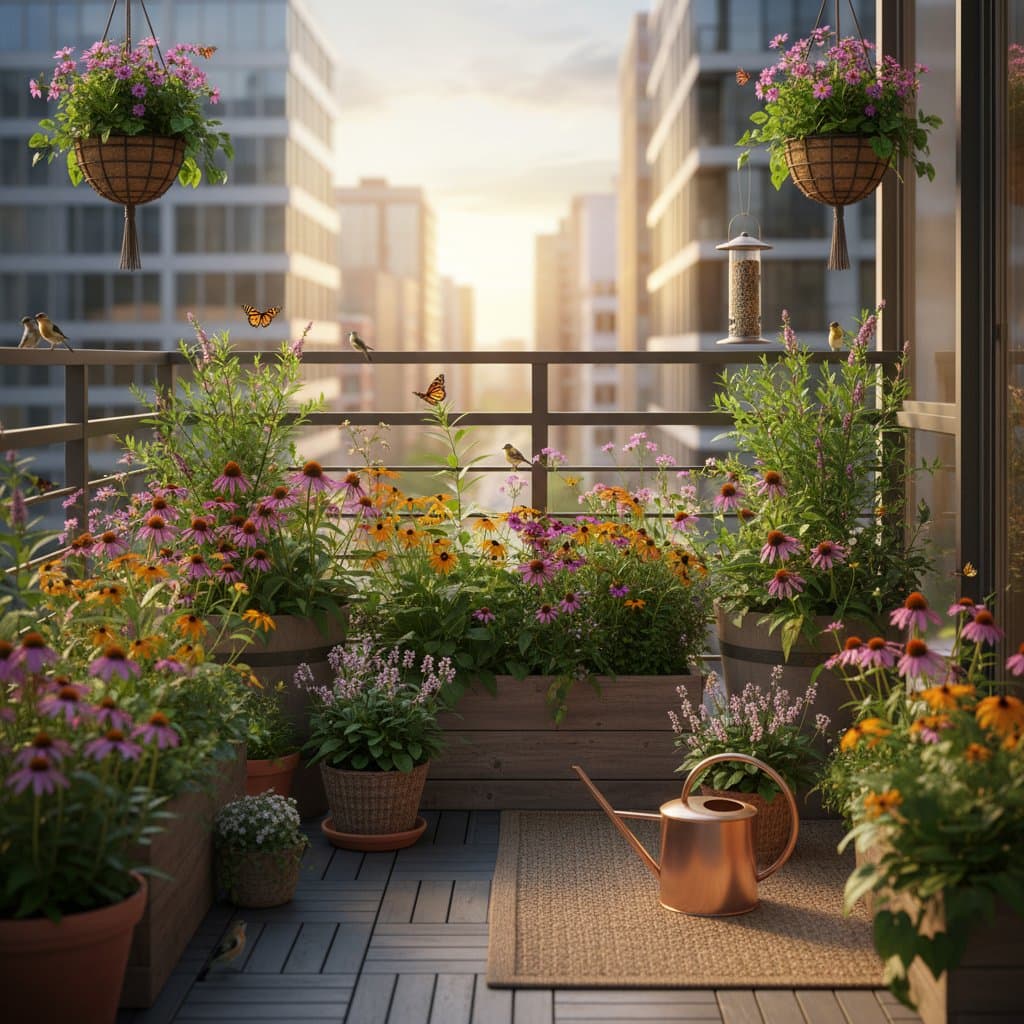
Urban living often limits access to nature, yet balconies offer untapped potential for creating personal ecosystems. Native wildflowers provide an ideal solution, as these plants thrive in local conditions, require minimal resources, and support essential pollinators. By incorporating them, you contribute to citywide biodiversity while enjoying colorful, resilient displays that enhance your outdoor space.

This guide outlines practical steps to establish and maintain a balcony garden with native wildflowers. Focus on species suited to New York City's climate, ensuring success even in compact or windy environments. The result is a sustainable haven that benefits both wildlife and your well-being.

Step-by-Step Guide

1. Selecting Native Wildflowers

Begin by identifying plants native to your region, such as New York City, to ensure compatibility with local soil, weather, and pollinators. Consult resources from local extension services or native plant societies for lists tailored to urban settings. Prioritize species that match your balcony's light exposure: full sun options like black-eyed Susan or purple coneflower for south-facing spots, and partial shade varieties such as wild columbine or woodland sunflower for north-facing areas.

Consider bloom times to extend color throughout the season. Mix early bloomers like Virginia bluebells with mid-season asters and late-fall goldenrods. Aim for a diversity of heights and forms to create visual interest and habitat layers, starting with three to five species to avoid overwhelming small spaces.

Evaluate hardiness zones; most NYC balconies fall within USDA zones 7a to 7b. Select perennials for longevity or annuals for quick results, always verifying that plants attract specific pollinators like bees or butterflies to maximize ecological impact.

2. Preparing Containers

Choose containers that suit your balcony's size and style, opting for pots at least 12 inches deep to accommodate root growth. Materials like terracotta or plastic work well, but ensure they have multiple drainage holes to prevent root rot. For weight concerns in high-rises, select lightweight fiberglass or recycled plastic options.

Prepare a soil mix optimized for natives: combine two parts potting soil, one part compost, and one part perlite or sand for drainage. This blend mimics natural conditions while retaining necessary moisture. If sourcing soil locally, test for pH levels around 6.0 to 7.0, ideal for most wildflowers.

Arrange containers strategically to optimize space and sunlight. Group them in clusters for a cohesive look, or use tiered stands for vertical interest. Secure pots against wind by placing heavier ones near railings and anchoring lighter setups with brackets.

3. Planting Your Wildflowers

Plant in early spring or fall when temperatures remain mild, allowing roots to establish before extreme heat or cold. For seeds, scatter them evenly on the soil surface and press lightly without burying, as many natives require light to germinate. Water thoroughly after planting to settle the soil.

If using nursery starts, dig holes twice the width of the root ball and space plants according to their mature size, typically 12 to 18 inches apart. Gently firm the soil around roots and mulch lightly to suppress weeds. Label each container with species names and planting dates for future reference.

Monitor initial establishment closely. Provide temporary shade cloth if intense sun scorches young plants. This phase sets the foundation for robust growth and long-term ecosystem health.

4. Water and Mulch

Water plants gently until the soil feels damp to a depth of two inches, using a watering can with a fine rose to avoid disturbing seeds or roots. Apply a half-inch layer of organic mulch, such as shredded bark or straw, to reduce evaporation and regulate soil temperature. Mulch also deters weeds that compete with wildflowers.

In hot weather, check soil moisture daily and water every two to three days as needed. Balcony winds accelerate drying in containers, so insert a finger into the soil or use a moisture meter for accuracy. Adjust frequency based on rainfall; overwatering leads to issues like fungal diseases.

For efficiency, consider a simple soaker hose system coiled at the base of pots, connected to a timer for consistent hydration without daily intervention.

5. Watch for Growth

Expect seedlings to emerge in 10 to 20 days, varying by species and ambient temperature. Warmer conditions speed germination, while cooler spells may delay it. Observe daily to catch the first signs of green shoots breaking through the soil.

Thin crowded seedlings promptly, leaving one strong plant every four inches. Proper spacing promotes healthy root development and reduces the risk of mildew or nutrient competition. Use clean shears to snip extras at soil level, composting the thinnings if healthy.

As plants mature, note their progress against expected growth rates. Adjust light or water if growth lags, ensuring the setup supports vigorous establishment.

Troubleshooting Common Issues

Yellowing or wilting leaves often signal overwatering or inadequate drainage. Inspect pots for clogged holes and reduce watering to allow the top inch of soil to dry between sessions. Elevate containers on small blocks or pot feet to enhance airflow and prevent waterlogging.

Stunted growth or lack of blooms typically results from insufficient sunlight or nutrient deficiencies. Relocate pots to a sunnier position if possible, aiming for at least six hours of direct light daily. Supplement with a thin layer of compost applied monthly to replenish nutrients without over-fertilizing.

Aphid infestations appear as clusters on stems and new growth. Dislodge them with a strong jet of water from a hose, repeating as necessary. Introduce natural predators like ladybugs, available from garden centers, to control populations organically. Steer clear of chemical pesticides, which harm beneficial insects and pollinators.

Ongoing Maintenance

Once the initial bloom cycle completes, deadhead faded flowers by snipping them just above a leaf node to stimulate additional blooming. In late fall, retain some seed heads to provide food for birds and enable self-seeding for next year. Remove only dried, brittle stalks that pose safety risks, cutting them close to the base.

Each spring, rejuvenate the soil by incorporating one inch of fresh compost into the top layer. Clear any debris from drainage holes and inspect containers for cracks, replacing damaged ones promptly. This routine keeps the garden productive and resilient.

Manage drip trays by emptying them after rain or watering to eliminate standing water, which attracts mosquitoes. Wipe down leaves occasionally to remove dust, improving photosynthesis in urban environments.

Optimizing Storage and Space

Organize tools efficiently with a covered bin positioned near your balcony door, stocking it with gloves, pruners, and spare soil bags. Install a slim wall-mounted shelf or employ a rolling cart for easy access without cluttering the floor. Label seed packets clearly with planting dates and store them in an airtight, dry container to preserve viability.

Maximize limited space by suspending lightweight planters from railings or installing vertical racks. Maintain at least 12 inches between levels to allow adequate airflow and sunlight penetration. Fasten all hanging elements with secure locking hooks to withstand wind gusts.

Rotate containers seasonally to even out sun exposure and prevent uneven growth. This practice extends plant health and maintains an attractive arrangement year-round.

Safety Considerations

Before adding substantial weight from filled pots, assess your balcony's structure for signs of wear, including rust on railings, loose fasteners, or fissures in concrete. Notify your building manager immediately if issues appear. Engage a licensed contractor for a professional inspection to avoid accidents and ensure compliance with safety standards.

Distribute weight evenly across the balcony surface, avoiding concentration near edges. Use pot saucers to catch drips, protecting surfaces below from water damage.

Taking Action

Select three to five native species aligned with your balcony's light conditions, drawing from free lists provided by local extension offices or native plant societies.

Assemble containers this week, filling them with the appropriate soil mix and verifying drainage functionality.

Monitor and record pollinator activity over the next month; sightings of even one bee or butterfly confirm your balcony's role as a functional urban ecosystem.

Through these steps, your balcony evolves into a self-sustaining oasis, blending beauty with environmental stewardship.

You Might Also Like

Solar Drip Systems Keep Deck Gardens Watered Automatically

Watering 50+ Pots From a Single Faucet

Grow 30 Plants in 2 Feet Using Nutrient Mist

Stop Balcony Noise With Layers That Block and Absorb Sound

Simple Drip Systems That Water While You Work

Tagged:

garden,space,micro,wildflower,small,balcony,native,pollinator,native-wildflower-balcony,pollinator-garden-small-space

Recent by Sheila Spaulding

Image for Solar Pavers Convert Steps and Sunlight Into Power

Solar Pavers Convert Steps and Sunlight Into Power

Feb 2, 2026
Image for Grow 30 Plants in 2 Feet Using Nutrient Mist

Grow 30 Plants in 2 Feet Using Nutrient Mist

Feb 1, 2026
Image for Mycelium Boards Replace Wood in Sustainable Decking

Mycelium Boards Replace Wood in Sustainable Decking

Feb 1, 2026
Image for Solar Pergolas Turn Small Patios Into Power Sources

Solar Pergolas Turn Small Patios Into Power Sources

Feb 1, 2026
Image for Stop Balcony Noise With Layers That Block and Absorb Sound

Stop Balcony Noise With Layers That Block and Absorb Sound

Jan 31, 2026

garden

Image for Solar Drip Systems Keep Deck Gardens Watered Automatically

Solar Drip Systems Keep Deck Gardens Watered Automatically

Feb 2, 2026
Image for Microclimate Pods Extend Growing Season on Balconies

Microclimate Pods Extend Growing Season on Balconies

Jan 26, 2026
Image for Three Square Feet of Balcony That Feeds Urban Bees

Small-Space Gardens

Watering 50+ Pots From a Single Faucet

Convert your balcony's potted plants into a low-maintenance green haven using a micro-drip irrigation system. This practical guide details automatic watering for more than 50 pots, eliminating daily tasks while ensuring optimal hydration. Explore essential tools, installation from testing to timing, plus solutions for common issues and upkeep strategies for sustained success.

Feb 2, 2026

Grow 30 Plants in 2 Feet Using Nutrient Mist

Transform a narrow balcony into a productive aeroponic farm by 2026. These soil-free towers support up to 30 plants with efficient nutrient mist, delivering year-round greens while minimizing water use, space demands, and maintenance.

Feb 1, 2026

Simple Drip Systems That Water While You Work

Elevate your urban balcony garden with a simple, app-free micro drip irrigation system. This practical guide covers tools, installation steps, troubleshooting, and maintenance to ensure reliable watering and vibrant plants, even during busy schedules.

Jan 31, 2026

Categories

Deck Construction & Remodeling(158)
Balcony Design(146)
Small-Space Gardens(63)
Rooftop Decks(50)
Backyard Design(18)

Three Square Feet of Balcony That Feeds Urban Bees

Jan 25, 2026
Image for AI Cameras That Water Plants and Deter Deck Pests

AI Cameras That Water Plants and Deter Deck Pests

Jan 21, 2026
Image for Map Your Deck's Hot Spots Before You Zone

Map Your Deck's Hot Spots Before You Zone

Jan 19, 2026

How Urban Gardens Cut City Noise by 70%

Convert your bustling urban garden into a tranquil haven using layered vegetation and sound-dampening materials. This comprehensive guide details how evergreens, grasses, mulch, and permeable surfaces can diminish noise by up to 70 percent, fostering a soothing space that filters out urban clamor while enhancing natural serenity.

Jan 31, 2026

Living Sound Filters for City Apartments

Convert urban clamor into tranquility using acoustic plants as living sound barriers. This guide details optimal plant selection, strategic placement, and upkeep for effective noise reduction in tight city dwellings. Affordable and aesthetically pleasing, these green solutions deliver enduring calm without major alterations.

Jan 30, 2026

Mini Bog Gardens Bring Wetland Habitats to Balconies

Turn a standard balcony into a vibrant mini bog garden that mimics natural wetlands. Assemble a self-sustaining system with layered substrates, precise watering techniques, and native plants to foster biodiversity and create an engaging urban green space.

Jan 28, 2026

Why Shade Apps Unlock Perfect Balcony Gardens

Elevate your balcony garden using shade apps to precisely map sunlight exposure. Gain insights on plant selection for specific light zones, easy scanning techniques, and cost-effective tools. Uncover strategies for seasonal adjustments to cultivate a vibrant, sustainable urban oasis.

Jan 28, 2026

Microclimate Pods Extend Growing Season on Balconies

Turn your balcony or rooftop into a productive garden that defies seasonal limits with microclimate pods. These innovative enclosures maintain optimal warmth, humidity, and airflow. Follow this comprehensive guide for construction, plant selection, safety measures, and ongoing care to harvest greens and herbs throughout the year.

Jan 26, 2026

Three Square Feet of Balcony That Feeds Urban Bees

In the heart of urban living, three square feet of balcony can become a thriving haven for bees. This guide details plant selections, container arrangements, and maintenance practices to attract pollinators throughout the year. With modest investment and simple routines, your compact space contributes to healthier ecosystems and serene outdoor moments.

Jan 25, 2026

Aeroponic Towers Fit Full Veggie Gardens in 4 Feet

Convert a compact balcony into a productive, soil-free vegetable garden using aeroponic towers. This detailed guide covers planning, assembly, and maintenance for a lightweight system that delivers abundant yields while fitting urban constraints like limited space and sunlight.

Jan 24, 2026

Balcony Microclimates That Triple Your Harvest

Transform your balcony garden by identifying and leveraging microclimates—warm pockets, windy perimeters, and shaded retreats—that influence plant success. Map exposure to light, air, and temperature; assign suitable crops to zones; and adapt seasonally for a bountiful, year-round harvest in compact settings.

Jan 23, 2026

Balcony Mushroom Farms That Pay for Themselves

Transform your shaded balcony into a profitable mushroom farm producing gourmet varieties like oyster and shiitake. This guide covers setup, maintenance, harvesting, and sales strategies to generate steady income from urban space with minimal effort.

Jan 21, 2026

Acoustic Walls Cut Neighbor Noise Without Renovating

Achieve tranquility in bustling urban environments through acoustic walls, strategic sealing, and sound-absorbing plants. This guide provides practical installation steps, affordable material recommendations, and maintenance tips to create a serene home without extensive renovations.

Jan 18, 2026

Plants Cut City Noise With Layers and Smart Placement

Convert urban balconies or courtyards into tranquil refuges with sound-absorbing plants. Discover layering techniques featuring bamboo, evergreens, and grasses to diffuse noise, plus essential tips on selection, positioning, care, and affordability for compact green spaces.

Jan 17, 2026

Turn Your Balcony Into a Pollinator Stopover

Convert your balcony into a vibrant pollinator habitat that draws in bees, butterflies, and hummingbirds. Employ native plants, fresh water sources, and basic containers to promote urban biodiversity, improve air quality, and establish a serene green oasis, all achievable for less than seventy dollars with minimal weekly maintenance.

Jan 17, 2026

Dwarf Fruit Trees Turn Tiny Balconies into Orchards

Even the tiniest balcony can become a productive orchard with dwarf fruit trees. Compact options like Meyer lemon and dwarf apple varieties yield full-sized fruit in containers. This guide provides essential steps for setup, ongoing care, and troubleshooting to help city dwellers cultivate fresh produce just steps from their living spaces.

Jan 15, 2026

Turning Nine Square Feet Into a Pollinator Haven

Convert a modest 3x3 balcony into a dynamic micro-meadow that supports bees, butterflies, and birds. This comprehensive guide explains the process of designing, planting, and sustaining a lightweight, low-maintenance native plant habitat that delivers seasonal blooms, tranquility, and environmental benefits to city dwellers.

Jan 15, 2026

AI Garden Cams Catch Plant Problems Before They Spread

AI garden cameras leverage smart sensors and machine learning to track plant health, identify stress indicators promptly, and provide targeted care recommendations. This comprehensive guide covers device selection, installation procedures, data interpretation, and optimization strategies for watering and lighting, enabling urban gardeners to sustain healthy plants with reduced uncertainty and minimal effort.

Jan 14, 2026

Why Wildflower Balconies Supercharge Urban Pollinators

Convert your balcony into a buzzing mini-ecosystem that sustains urban pollinators. Explore native wildflower choices, efficient container arrangements, and simple maintenance routines to build lasting habitats in compact city areas. Gain insights into budget-friendly supplies, time commitments, and year-round strategies for a pollinator paradise.

Jan 12, 2026

AI Sensors Stop Deck Plants From Drying Out

AI sensors revolutionize deck gardening with automated watering based on real-time environmental data. This comprehensive guide covers installation, calibration, troubleshooting, and maintenance to ensure thriving plants, water savings, and minimal effort in compact urban spaces.

Jan 9, 2026