
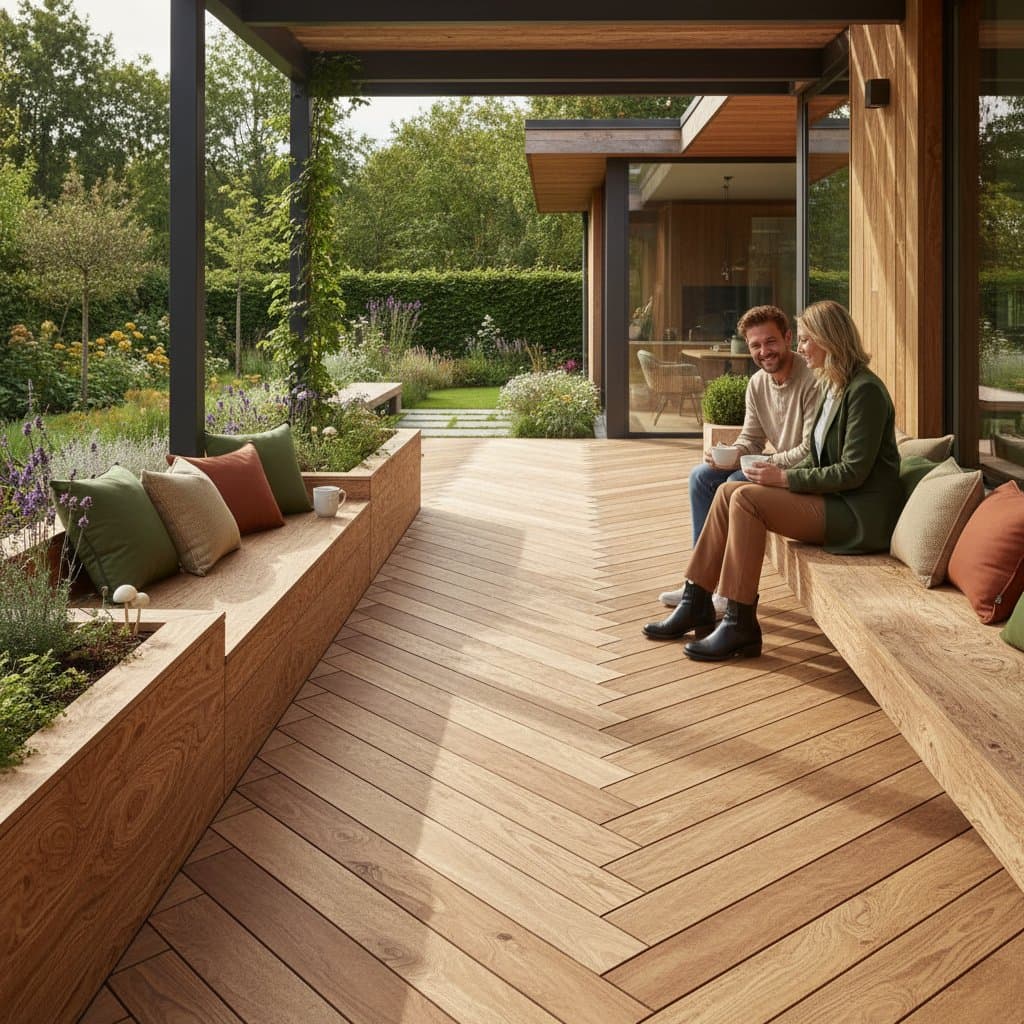
Mycelium Decking: A Biodegradable Innovation for Outdoor Spaces
Decks endure constant exposure to weather, foot traffic, and everyday use. Conventional options such as pressure-treated wood or plastic composites provide longevity but contribute to persistent environmental pollution through non-degradable components. Mycelium decking emerges as a transformative solution, utilizing the root-like structure of fungi to create boards that decompose naturally at the end of their lifecycle.
Mycelium, the vegetative part of fungi, thrives by weaving through organic substrates like agricultural byproducts or wood fibers. This process yields a sturdy, foam-like composite that hardens into boards suitable for decking. Renewable and free from synthetic additives, these materials support biodiversity and reduce reliance on harvested timber.
Homeowners appreciate the ease of integration with existing setups. Installation mirrors traditional methods, yet offers advantages in weight and waste reduction. The following sections detail preparation, execution, and ongoing care to help achieve a professional result.
Essential Tools and Materials
Assembling a mycelium deck requires familiar equipment and targeted supplies. Begin by calculating needs based on your project's dimensions to avoid shortages.
Materials
- Mycelium deck boards, selected in widths of 5 to 6 inches and lengths up to 12 feet; determine quantity by multiplying deck length by width and dividing by board coverage (typically 5.5 inches per board after spacing)
- Galvanized or stainless steel deck screws, 2.5 to 3 inches in length for secure fastening
- Pressure-treated lumber or recycled metal joists spaced 16 inches on center for substructure support
- Eco-friendly penetrating oil or water-based sealant to enhance water resistance
- Matching trim boards for finished edges and transitions
Tools
- Tape measure for precise layout
- Miter or circular saw equipped with a carbide-tipped blade for clean cuts
- Cordless drill fitted with a Phillips bit for driving screws
- Carpenter's level to ensure even surfaces
- Protective eyewear, dust mask, and work gloves for safety
- Applicator brush or cloth for applying finishes
Handle boards gently during transport to prevent surface damage. Pre-cut pieces to fit your design, accounting for 1/8-inch gaps between boards to allow for expansion and drainage.
Installation Guide
Proper installation ensures longevity and performance. Follow these steps for a secure, level deck.
- Prepare the site by clearing vegetation and ensuring a stable foundation, such as concrete footings or gravel base, sloped for water runoff.
- Construct the frame using joists perpendicular to the house, securing them with galvanized hangers; verify alignment with a string line.
- Lay the first board along the longest straight edge, starting 1.5 inches from the house to prevent moisture buildup; secure with two screws per joist.
- Continue with subsequent boards, maintaining consistent spacing using 1/8-inch spacers; stagger seams for strength.
- Trim edges and apply sealant after 48 hours of drying, focusing on end grains to seal against moisture.
Test stability by walking the surface before finalizing. This process typically suits DIY enthusiasts with moderate experience.
Safety Considerations
Mycelium materials demand specific precautions due to their organic nature. Adhere to these guidelines to minimize risks.
- Don protective gloves when manipulating unsealed boards, as fungal residues may cause mild skin reactions.
- Store and install in dry conditions; exposure to dampness prior to sealing can promote microbial growth.
- Equip with a dust mask and eye protection during cutting to avoid inhaling fine particles.
- Inspect the subframe for load-bearing capacity before loading materials; distribute weight evenly to prevent sagging.
- Employ proper lifting techniques, bending at the knees, since boards weigh approximately 6 to 8 pounds per linear foot.
These measures protect both installer and material integrity throughout the project.
Cost Analysis and Timeline
Mycelium decking aligns economically with standard alternatives. Material expenses range from 8 to 12 dollars per square foot, influenced by board thickness and sourcing.
Smaller projects benefit from lower overhead; for instance, retrofitting an existing frame cuts structural costs by up to 40 percent. Add 20 to 30 dollars per gallon for sealant, covering multiple applications on decks up to 200 square feet.
Allocate one weekend for decks under 100 square feet, extending to two for larger areas. Solo installation proves feasible given the boards' reduced weight compared to solid wood.
Year-Round Maintenance
Seasonal variations affect deck condition. Implement routine inspections to preserve appearance and function.
Spring Preparation
- Rinse surfaces with a mild soap solution to remove accumulated debris.
- Inspect and retighten fasteners that may have loosened over winter.
- Reapply sealant to exposed areas ahead of increased rainfall.
Summer Care
- Ensure ventilation beneath the deck to deter heat buildup.
- Relocate heavy pots periodically to avoid localized wear.
- Refresh with UV-resistant oil if fading occurs from sun exposure.
Fall Upkeep
- Clear fallen leaves daily to prevent staining and rot.
- Verify that water flows freely away from the structure.
- Remove outdoor cushions to indoor storage for protection.
Winter Protection
- Gently remove snow with soft tools to avoid scratching.
- Steer clear of de-icing salts, opting for sand if traction is needed.
- Use breathable covers during prolonged wet freezes.
Consistent attention extends service life beyond a decade with minimal effort.
Professional Assistance Indicators
DIY installation works well for straightforward designs. Engage experts when complexity arises.
Consider professional help for decks surpassing 400 square feet, structural modifications, or integrations with sloped terrain and drainage systems. Visible subsurface issues post-installation also warrant inspection.
When selecting a contractor, inquire about:
- Prior experience with bio-based composites like mycelium.
- Preferred attachment methods suited to lightweight materials.
- Strategies for responsible end-of-life processing, such as composting partnerships.
Qualified responses indicate expertise in green construction practices.
Core Benefits Summary
Mycelium decking harnesses fungal networks to consolidate waste into resilient, eco-compatible boards. Lightweight and fully biodegradable, it curtails landfill contributions while delivering wood-like performance.
Success hinges on meticulous sealing, adequate airflow, and proactive cleaning. Routine care avoids harsh chemicals, fostering a low-maintenance outdoor feature.
Affordable and accessible, this option empowers sustainable enhancements without specialized skills.
Steps to Implement Your Project
Test the material's suitability with a modest installation, such as a 4 by 8 foot path. Monitor resilience against local weather patterns over initial months.
If results align with expectations, scale up confidently. This approach builds familiarity and confirms compatibility with your landscape vision.